
Finding the Perfect Dive Watch: A Comprehensive Guide
Choosing a dive watch can feel overwhelming. With countless brands, styles, and features, how do you know which one is right for you? This guide breaks down the key considerations, helping you select a timepiece that meets your needs and reflects your personal style, drawing insights from expert watch enthusiasts.
Understanding the Different Types of Divers (and Their Watches)
The first step in choosing a dive watch is understanding how you’ll use it. Are you a seasoned professional, a weekend warrior, or someone who simply appreciates the aesthetic? The needs of each type of diver differ significantly, influencing the features and style of the ideal watch.
The Luxury Desk Diver
The “desk diver” might not actually spend much time underwater. This individual appreciates fine craftsmanship, elegant design, and the prestige of owning a luxury timepiece. The watch serves as a status symbol and a conversation starter, often worn in professional settings or social gatherings. While it may possess diving capabilities, its primary function is aesthetic and symbolic.

Key characteristics of a Luxury Desk Diver watch:
- Aesthetics: Prioritizes design, materials (gold, platinum), and finishing.
- Brand Recognition: Often from established luxury brands with a strong heritage.
- Complications: May include additional features like chronographs, GMT functions, or moon phases.
- Water Resistance: Typically sufficient for swimming or snorkeling, but not necessarily for deep diving.
- Strap/Bracelet: Often features high-end materials like leather or intricately designed metal bracelets.
Examples of Luxury Desk Diver watches:
- Rolex Submariner (certain models)
- Omega Seamaster (certain models)
- Blancpain Fifty Fathoms (certain models)
The Luxury Statement Diver
The Luxury Statement Diver, like the desk diver, appreciates high-end timepieces but seeks a watch that boldly proclaims its diving heritage and capabilities. This watch is about making a statement, showcasing a robust design and impressive specifications. While it might see some actual diving, its primary purpose is to project an image of adventure and capability.
Key characteristics of a Luxury Statement Diver watch:
- Robust Design: Features a larger case size, prominent bezel, and overall rugged appearance.
- High Water Resistance: Designed for serious diving, often exceeding 300 meters.
- Bold Aesthetics: Eye-catching design elements, such as bright colors, unique case shapes, or distinctive dial layouts.
- Premium Materials: May include titanium, ceramic, or other advanced materials for durability and scratch resistance.
- Brand Heritage: Often from brands with a long history of producing professional diving watches.
Examples of Luxury Statement Diver watches:
- Omega Planet Ocean
- Breitling Superocean
- Panerai Submersible
The Classic Diver
The Classic Diver represents a balance between functionality, reliability, and affordability. This watch is a workhorse, designed for everyday wear and capable of handling recreational diving activities. It prioritizes essential features and a timeless design, making it a versatile choice for both underwater adventures and daily life.
Key characteristics of a Classic Diver watch:
- Essential Features: Focuses on core diving functions, such as a unidirectional rotating bezel, luminous markers, and sufficient water resistance (at least 200 meters).
- Reliable Movement: Typically features a robust automatic or quartz movement known for its accuracy and durability.
- Versatile Design: A classic, understated aesthetic that can be dressed up or down.
- Affordable Price Point: Offers excellent value for money, providing reliable performance without breaking the bank.
- Durable Construction: Built to withstand the rigors of daily wear and occasional diving activities.
Examples of Classic Diver watches:
- Seiko SKX007/SKX009 (discontinued, but widely available on the secondary market)
- Seiko Prospex series
- Citizen Promaster Diver
The Technical Diver
The Technical Diver demands the highest level of functionality and reliability. This watch is a critical piece of equipment, used in demanding underwater environments. These divers often engage in deep dives, wreck penetration, and other challenging activities, requiring a watch that can withstand extreme conditions and provide accurate information.
Key Characteristics of a Technical Diver Watch:
- Extreme Water Resistance: Typically rated to 500 meters or more.
- High Legibility: Clear, easy-to-read dial with bright luminous markers and hands.
- Robust Construction: Made from durable materials like titanium or stainless steel with scratch-resistant crystals.
- Advanced Features: May include depth gauges, dive timers, and helium escape valves.
- Reliable Movement: Precision automatic or quartz movement for accurate timekeeping.
Examples of Technical Diver Watches:
- Rolex Sea-Dweller
- Omega Seamaster Planet Ocean Ultra Deep
- Sinn U1 series
Key Features to Consider When Buying a Dive Watch
Regardless of the type of diver you are, several key features are essential to consider when purchasing a dive watch:
- Water Resistance: Ensure the watch has a water resistance rating suitable for your diving activities. A minimum of 200 meters (20 ATM) is generally recommended for recreational diving.
- Unidirectional Rotating Bezel: This allows you to track elapsed time underwater, a crucial safety feature.
- Luminous Markers and Hands: Essential for visibility in low-light conditions underwater.
- Durable Construction: Choose a watch made from robust materials that can withstand the pressures and impacts of diving.
- Comfortable Strap or Bracelet: Select a strap or bracelet that fits comfortably and securely on your wrist.
Understanding Water Resistance Ratings
Water resistance ratings can be confusing. Here’s a breakdown of what they mean:
- 30 meters (3 ATM): Suitable for splashes of water, but not for swimming or diving.
- 50 meters (5 ATM): Suitable for swimming in shallow water, but not for diving.
- 100 meters (10 ATM): Suitable for swimming and snorkeling, but not for scuba diving.
- 200 meters (20 ATM) or more: Suitable for scuba diving.
It’s important to note that these ratings are based on laboratory tests and may not accurately reflect real-world conditions. Always err on the side of caution and choose a watch with a higher water resistance rating than you think you need.
Choosing the Right Movement: Automatic vs. Quartz
Dive watches typically come with either automatic or quartz movements. Each type has its advantages and disadvantages:
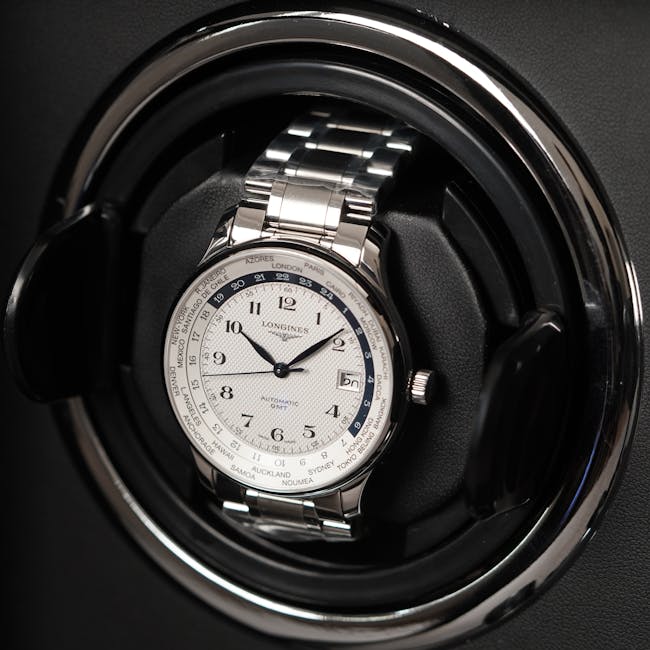
- Automatic Movements: Powered by the motion of your wrist, automatic movements are known for their craftsmanship and smooth sweeping seconds hand. They don’t require batteries but need to be worn regularly or kept on a watch winder to maintain their power reserve.
- Quartz Movements: Powered by a battery, quartz movements are highly accurate and require less maintenance than automatic movements. They are generally more affordable and can withstand more shock and impact.
Taking Care of Your Dive Watch
To ensure your dive watch lasts for years to come, it’s important to take proper care of it:
- Rinse your watch with fresh water after each dive.
- Have your watch pressure tested annually to ensure its water resistance.
- Replace the seals and gaskets regularly.
- Avoid exposing your watch to extreme temperatures or chemicals.
- Store your watch in a safe place when not in use.



Leave A Comment