
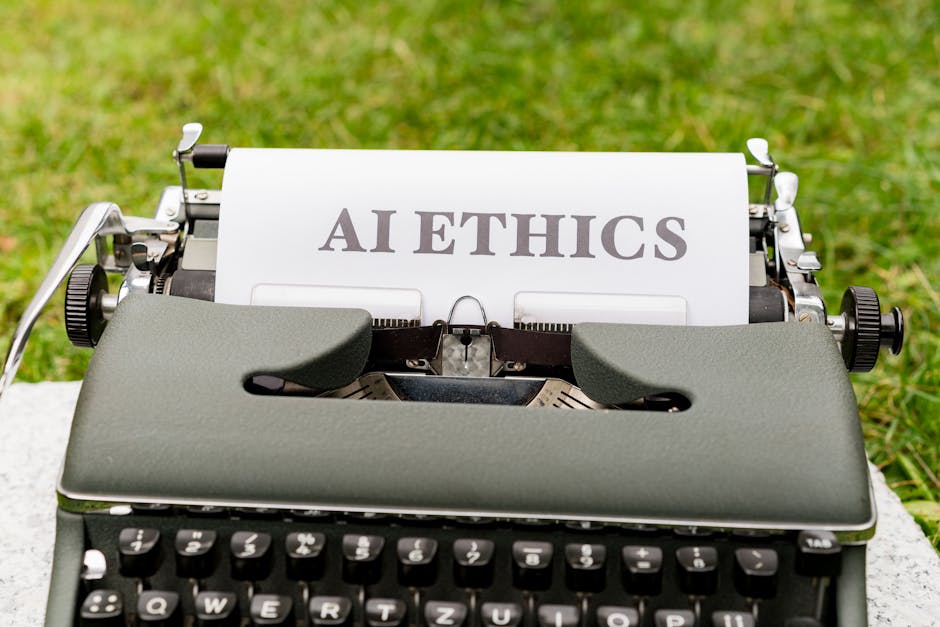
The Authenticity Crisis: Why AI Alone Can’t Be the Answer
Artificial intelligence is rapidly changing how we generate content, offering unprecedented speed and efficiency. However, this revolution brings a significant challenge: how do we ensure the content’s authenticity and trustworthiness? The current focus on simply detecting AI-generated content is a reactive measure. A more proactive and sustainable solution lies in a collaborative approach that leverages the strengths of both humans and AI.
Many tools currently attempt to identify AI-written text by analyzing patterns and anomalies. For example, they might look for repetitive phrases or a lack of emotional depth. While these tools can be useful, they are constantly playing catch-up. As AI models become more sophisticated, they can mimic human writing styles more convincingly, making detection increasingly difficult and unreliable. Imagine trying to spot a counterfeit painting – as the forgeries improve, it becomes harder and harder to distinguish them from the real thing.
The true solution isn’t just about spotting fakes; it’s about building a system where authenticity is baked in from the start. This means embracing a collaborative model where human expertise guides and validates AI’s output. Human editors provide the critical thinking, ethical considerations, and creative spark that AI currently lacks. This ensures accuracy, prevents plagiarism, and adds unique perspectives that AI cannot replicate. Consider the difference between a technically perfect musical composition generated by AI and a song written by a human artist drawing on personal experiences and emotions – the latter carries a depth and resonance that AI struggles to achieve.
The Pitfalls of Solely Relying on AI Detection
Over-reliance on AI detection tools has several drawbacks. First, these tools are often trained on limited datasets, which may not encompass the diversity of human writing or the evolving capabilities of AI. This can lead to false positives, where human-written content is incorrectly flagged as AI-generated.

Second, AI detection tools are vulnerable to manipulation. Users can subtly alter AI-generated text to evade detection, creating a constant arms race. For example, someone might replace a few key words with synonyms or rephrase a sentence to make it sound more human. This cat-and-mouse game undermines the effectiveness of detection tools.
Third, a fear of false accusations can stifle creativity and innovation. Writers might be hesitant to experiment with new styles or techniques if they worry about being wrongly flagged for using AI. This chilling effect can hinder the development of original and engaging content.
Harnessing the Power of Human-AI Synergy
The most effective approach to ensuring content authenticity is to embrace human-AI collaboration. This involves strategically combining the strengths of both humans and AI to create content that is both accurate and compelling.
The Indispensable Role of Human Guidance
- Critical Analysis: Humans can critically evaluate AI-generated content, identifying biases, inaccuracies, and logical fallacies.
- Ethical Oversight: Humans can ensure that AI-generated content adheres to ethical standards and avoids promoting harmful or misleading information.
- Creative Input: Humans can inject creativity, originality, and emotional resonance into AI-generated content, making it more engaging and relatable.
- Contextual Awareness: Humans provide crucial context and understanding of the target audience, ensuring the content resonates effectively. For example, AI might generate a technically accurate description of a historical event, but a human editor can add the nuances and perspectives that make it truly meaningful to a modern audience.
Practical Strategies for Collaborative Content Creation
To foster effective human-AI collaboration, consider these steps:

- Establish Clear Guidelines: Develop clear guidelines for AI use in content creation, emphasizing human oversight and ethical considerations. This might include requiring human review for all AI-generated content or limiting AI’s role to specific tasks.
- Invest in Training: Train content creators on how to use AI tools effectively while maintaining control over the creative process. This training should cover topics such as prompt engineering, editing techniques, and ethical considerations.
- Implement Review Processes: Implement review processes that require human editors to carefully review and approve AI-generated content before publication. This review should focus on accuracy, clarity, ethical considerations, and overall quality.
- Promote Transparency: Be transparent about AI use in content creation, acknowledging the contributions of both humans and AI. This builds trust with the audience and demonstrates a commitment to authenticity.
Conclusion: A Future Forged in Collaboration
The future of content creation hinges on embracing human-AI collaboration. By combining the strengths of both humans and AI, we can create content that is not only efficient and scalable but also authentic, accurate, and engaging. Moving beyond the limitations of simple AI detection and embracing a collaborative framework is essential for maintaining the integrity of information and fostering a creative and innovative environment. It’s about creating a partnership where AI augments human capabilities, rather than replacing them entirely.
If you want a practical next step, you can also check out Heal your past, design your future.
If you want a practical next step, you can also check out Become an Ultimate Master of your life.








Leave A Comment