
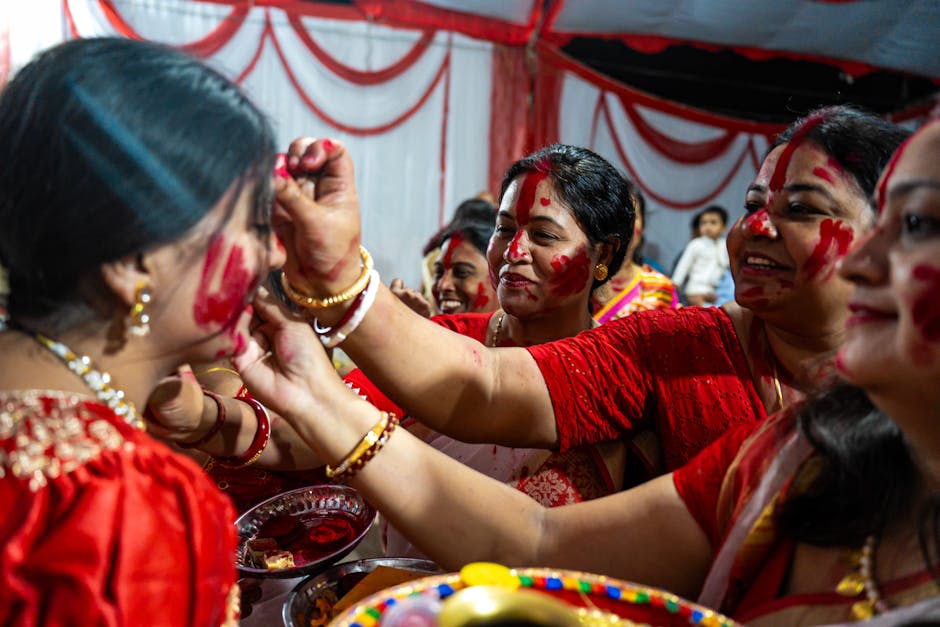
The Crimson Conundrum: Unpacking the Sindoor Story
For generations, the vibrant red sindoor has held a place of profound significance in Hindu tradition, symbolizing marital status and auspiciousness. But what happens when the very authenticity of this sacred mark comes into question? Recent discussions, fueled by viral videos and social media debates, have sparked a critical examination of the sindoor’s composition, its cultural importance, and the potential for misrepresentation.
A Deep Dive into Tradition and History
The origins of sindoor can be traced back to ancient times, with mentions found in various Hindu scriptures and traditions. It is believed to have been associated with goddesses like Parvati and Lakshmi, representing their marital devotion and power. Over centuries, the application of sindoor has evolved into a significant ritual, deeply embedded in the cultural fabric of Hinduism.
The Traditional Preparation: A Sacred Process
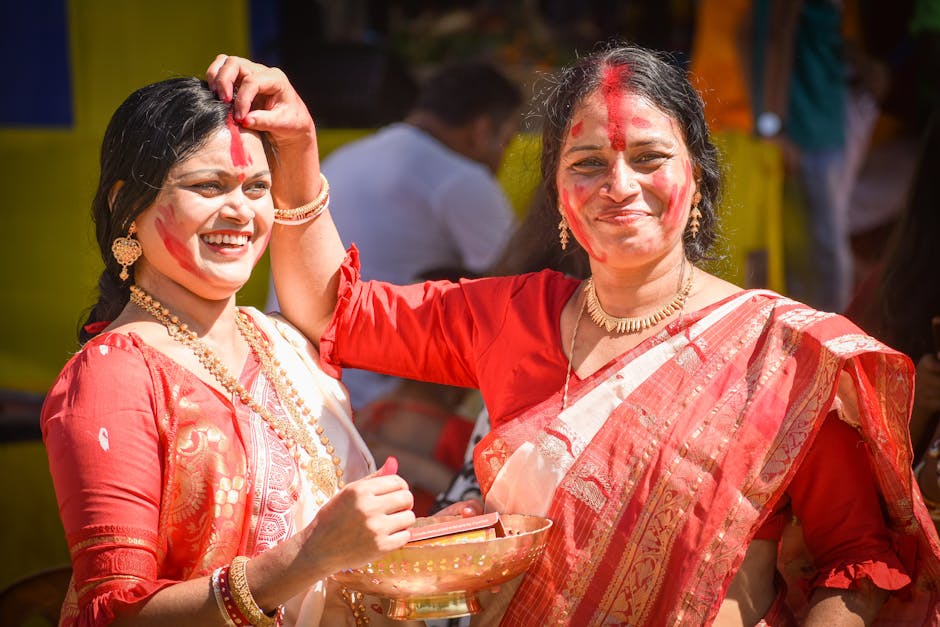
Traditionally, sindoor is prepared using natural ingredients like turmeric, lime, and sometimes red sandalwood. These elements not only contribute to its characteristic color but also carry symbolic weight within the cultural context. The turmeric, for instance, is considered auspicious and is associated with prosperity and well-being. The application of sindoor by a married woman is a daily ritual, a visual declaration of her commitment and the well-being of her spouse. It’s more than just makeup; it’s a powerful emblem of a sacred bond.
The Authenticity Debate: What’s Really in Your Sindoor?
The core of the recent controversy revolves around concerns about the ingredients used in commercially produced sindoor. Are manufacturers adhering to traditional recipes, or are they opting for cheaper, potentially harmful alternatives? This question strikes at the heart of cultural preservation and consumer safety. Understanding the true composition of sindoor is crucial for respecting tradition and safeguarding well-being.
Potential Harmful Ingredients: A Cause for Concern
Some commercially produced sindoor has been found to contain synthetic dyes and chemicals, which may pose health risks. These ingredients can cause skin irritation, allergies, and in some cases, even more severe health problems. It is essential for consumers to be aware of these potential risks and to choose sindoor that is made with natural and safe ingredients.
Tips for Identifying Authentic Sindoor
- Check the ingredient list: Look for sindoor that is made with natural ingredients like turmeric, lime, and red sandalwood.
- Choose reputable brands: Opt for brands that are known for their commitment to quality and authenticity.
- Be wary of extremely low prices: Sindoor made with natural ingredients is typically more expensive than synthetic alternatives.
Modern Misconceptions and the Power of Awareness
Beyond the authenticity debate, there’s a growing need to address modern misconceptions surrounding sindoor. In an era of evolving social norms and individual expression, the traditional significance of sindoor can sometimes be misinterpreted or overlooked. Raising awareness about its cultural context and promoting respectful understanding are essential for preserving its value.
Sindoor and Feminism: Reconciling Tradition and Modernity
Some view the sindoor as a symbol of patriarchal control, while others see it as a personal choice and a celebration of marital commitment. It is important to acknowledge these different perspectives and to engage in open dialogue about the role of tradition in modern society. The key is to empower women to make informed choices about whether or not to wear sindoor, based on their own values and beliefs.
Navigating the Future: Informed Choices and Respectful Practices
Ultimately, the sindoor saga highlights the importance of informed choices and respectful practices. Whether one chooses to embrace tradition or explore alternative expressions, a deep understanding of cultural symbols and their significance is paramount. By engaging in open dialogue, promoting authenticity, and fostering respect, we can ensure that the sindoor continues to hold its rightful place in Hindu tradition for generations to come.

The Role of Education and Awareness
Education plays a crucial role in dispelling misconceptions and promoting a deeper understanding of the sindoor’s significance. By providing accurate information about its history, cultural context, and potential health risks, we can empower individuals to make informed choices and to appreciate the richness and complexity of Hindu tradition.
Conclusion: A Symbol of Enduring Significance
The sindoor, despite facing challenges and evolving interpretations, remains a powerful symbol of marital status, auspiciousness, and cultural identity. By embracing authenticity, promoting awareness, and fostering respect, we can ensure that this vibrant tradition continues to thrive for generations to come.
If you want a practical next step, you can also check out Become an Ultimate Master of your life.










Leave A Comment