

Anthropic’s Claude Opus 4.8: A Leap Forward in AI Capabilities
The artificial intelligence landscape is evolving at breakneck speed, and Anthropic’s latest offering, Claude Opus 4.8, is a testament to this relentless progress. This update brings significant enhancements to Claude’s capabilities, particularly in areas like honesty, self-verification, and complex coding tasks. Let’s dive into what makes this release so noteworthy and how it stacks up against the competition.
Enhanced Honesty and Self-Verification
One of the key improvements in Claude Opus 4.8 is its enhanced honesty. AI models are often criticized for generating convincing but factually incorrect information, a phenomenon sometimes referred to as “hallucination.” Anthropic has focused on mitigating this issue by improving Claude’s ability to self-verify its responses. This means Claude is now better equipped to identify and correct its own errors, leading to more reliable and trustworthy outputs.
Multi-Agent Dynamic Workflows for Complex Coding
Claude Opus 4.8 shines when it comes to tackling large and intricate coding projects. The update introduces multi-agent dynamic workflows, allowing Claude to break down complex tasks into smaller, more manageable components. This approach enables Claude to handle large codebases and collaborate effectively with other AI agents, paving the way for more sophisticated and efficient software development.
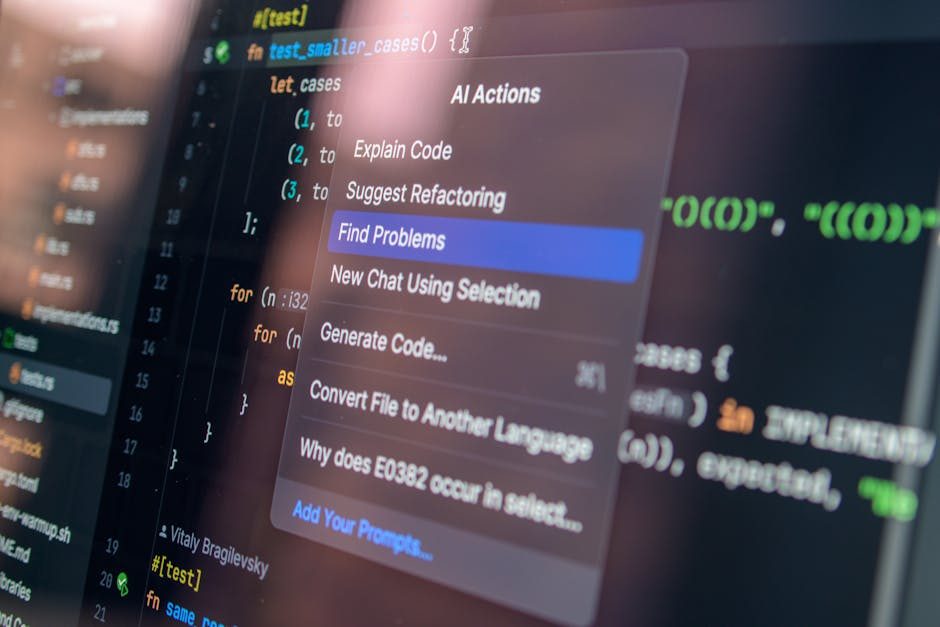
Benchmark Showdown: Claude Opus 4.8 vs. OpenAI’s GPT-5.5
The AI community is always eager to compare the performance of different models, and Claude Opus 4.8 is no exception. Benchmark scores indicate that Claude is narrowing the gap with OpenAI’s GPT-5.5, one of the leading AI models in the industry. While the exact details of these benchmarks are subject to ongoing debate about harness quality and real-world tradeoffs, the trend suggests that Anthropic is making significant strides in closing the performance gap.
Beyond Claude: AI Industry Buzz
While Claude Opus 4.8 is a major highlight, the broader AI landscape is buzzing with activity. Here’s a quick rundown of other notable developments:
- Kirkland & Ellis’s Internal AI Platform: The law firm Kirkland & Ellis is investing heavily in AI, developing a half-billion-dollar internal platform to enhance its legal services.
- OpenAI’s GPT-5.5 Instant Update: OpenAI continues to push the boundaries of AI with rapid updates to its GPT models.
- Cognition’s $1B Round: AI startup Cognition has secured a massive $1 billion funding round, signaling strong investor confidence in its vision.
- Anthropic’s Mythos Preview and Soaring Valuation: Anthropic is not only improving Claude but also exploring new AI models like Mythos, contributing to its rising valuation.
The Future of AI: Honesty, Collaboration, and Continuous Improvement
Claude Opus 4.8 represents a significant step forward in AI development. Its enhanced honesty, self-verification capabilities, and multi-agent dynamic workflows demonstrate the potential for AI to tackle increasingly complex tasks and provide more reliable information. As the AI landscape continues to evolve, we can expect even more impressive advancements in the years to come.
Deeper Dive into Claude Opus 4.8 Capabilities
To truly understand the impact of Claude Opus 4.8, it’s essential to explore some of its key features and functionalities in more detail.

Understanding Self-Verification in AI
Self-verification is a critical aspect of building trustworthy AI systems. It involves training the AI model to assess the accuracy and reliability of its own outputs. This is often achieved through techniques such as:
- Consistency Checks: Ensuring that the AI’s responses are internally consistent and do not contradict themselves.
- Knowledge Base Validation: Cross-referencing the AI’s responses with external knowledge sources to verify their accuracy.
- Uncertainty Estimation: Quantifying the AI’s confidence in its own responses, allowing users to identify potentially unreliable information.
By incorporating these techniques, Claude Opus 4.8 aims to reduce the occurrence of hallucinations and provide users with more reliable and trustworthy information.
The Power of Multi-Agent Systems in Coding
The multi-agent dynamic workflows introduced in Claude Opus 4.8 represent a significant advancement in AI-assisted coding. This approach allows Claude to:
- Decompose Complex Tasks: Break down large coding projects into smaller, more manageable sub-tasks.
- Delegate Tasks to Specialized Agents: Assign specific sub-tasks to different AI agents with specialized skills and knowledge.
- Orchestrate Collaboration: Coordinate the efforts of multiple AI agents to ensure that they work together effectively towards a common goal.
This collaborative approach to coding can lead to faster development times, improved code quality, and increased efficiency.
If you want a practical next step, you can also check out Become an Ultimate Master of your life.









Leave A Comment