
When Seeing and Hearing Isn’t Believing
While generative artificial intelligence has unlocked incredible potential, it has also opened a Pandora’s box for digital fraud. Cybercriminals are leveraging this technology to create incredibly lifelike deepfakes, a potent new weapon in their arsenal. We’re witnessing a dramatic increase in sophisticated AI deepfake scams capable of replicating the voice and appearance of trusted individuals, from company leaders to relatives, transforming our inherent trust into a critical weakness. Forget the awkward, easily spotted fakes of the past; today’s deepfakes are so seamless they can deceive viewers in real-time video conversations.
The Alarming Reality: Real-World Incidents
The speed at which this problem is growing is startling. A stark example involved a finance professional in Hong Kong who was manipulated into sending $25 million after a video call with what appeared to be his firm’s chief financial officer and other colleagues, all of whom were sophisticated digital forgeries. This is no longer a theoretical risk on the horizon—it is a present-day reality. Cybersecurity company Sumsub noted a dramatic 245% increase in deepfakes identified during identity checks in 2023 alone, highlighting the rapid expansion of this threat against both organizations and private citizens.
The Anatomy of a Deepfake Scam
Attackers are deploying deepfake technology in several targeted ways, exploiting trust and creating a sense of urgency to bypass standard security protocols. Understanding these methods is the first step toward building an effective defense.

For those looking to take the next step, Become an Ultimate Master of your life is a resource worth exploring.
CEO Fraud 2.0
In this advanced form of business email compromise, criminals deploy a deepfake video or voice clone of a high-level executive. They use this to command an employee to execute an immediate and fraudulent financial transaction, often under the guise of a confidential, time-sensitive deal. The apparent legitimacy of seeing and hearing the CEO makes the request incredibly convincing, overriding the employee’s suspicion.
Voice Cloning Scams
Using just a few seconds of audio scraped from social media or a public video, attackers can replicate a family member’s voice with chilling accuracy. They then stage a convincing emergency phone call—claiming to be in an accident, kidnapped, or in legal trouble—desperately asking a loved one for financial help. The emotional distress created by hearing a familiar voice in peril often leads victims to act impulsively.
Synthetic Identity Fraud
Beyond impersonation, artificial intelligence is employed to generate completely fabricated identities. These synthetic identities are complete with lifelike profile images, personal details, and a manufactured online history. Criminals use them to open fraudulent bank accounts, apply for loans, or create armies of fake social media profiles to spread disinformation or manipulate public opinion.

Building a Digital Defense: How to Protect Yourself
As technology makes deepfakes harder to spot with the naked eye, our defense must evolve from simple observation to procedural security. Both individuals and organizations need to adopt new verification habits.
Tips for Individuals
- Establish a Safe Word: Create a secret verbal password with close family members. If you receive a frantic call asking for money, you can ask for the safe word to verify their identity.
- Verify Through a Different Channel: If you receive an urgent or unusual request, hang up and call the person back on a known, trusted number. Do not use the number they called from or any contact information provided in the suspicious message.
- Question Urgency: Scammers thrive on creating panic to prevent you from thinking critically. Be inherently skeptical of any request that demands immediate action and involves money or sensitive information.
Strategies for Organizations
- Implement Multi-Layered Verification: For any significant financial transaction or data access request, require approval from multiple individuals through separate communication channels. A deepfake can fool one person, but it is much harder to fool two or three who are following a strict protocol.
- Conduct Regular Training: Educate employees about the existence and characteristics of deepfake scams. Run simulation exercises to train them to recognize social engineering tactics and follow verification procedures without fail.
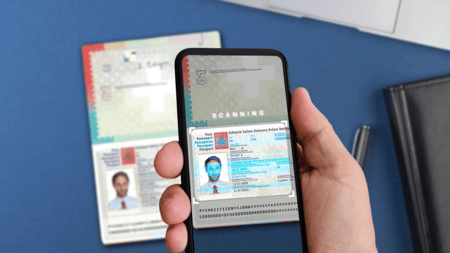
- Leverage Technology: Invest in advanced biometric and liveness detection tools for identity verification. Modern systems are being trained to spot the subtle digital artifacts and inconsistencies that AI-generated content produces.










Leave A Comment