
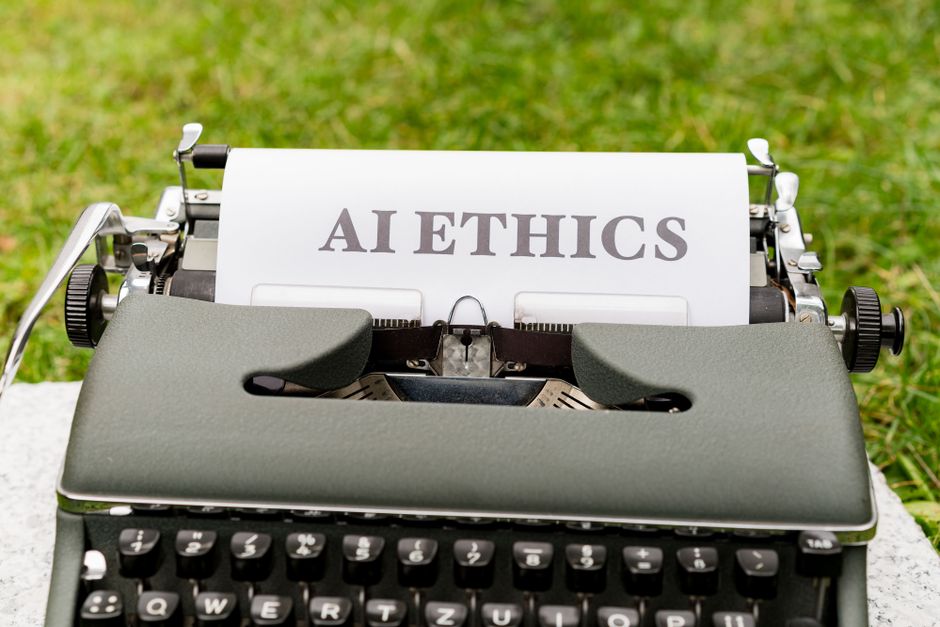
The Double-Edged Sword in the Modern Newsroom
Artificial intelligence is rapidly moving from a theoretical concept to a daily tool in journalism. It offers the power to sift through mountains of data, transcribe interviews in seconds, and generate story drafts with astonishing speed. But this efficiency introduces a new class of profound risks that strike at the heart of journalistic integrity. As newsrooms rush to adopt these technologies, a critical question emerges: How can the industry harness the power of AI without sacrificing the principles of truth, fairness, and accountability? In response, leading academic institutions are forging a set of ethical guardrails designed to help journalists navigate this treacherous new landscape.
Confronting the Perils of Automated Journalism
The challenge isn’t a single issue but a minefield of potential ethical failures. A consortium of university journalism programs has identified the primary dangers and proposed direct countermeasures, creating a foundational framework for responsible AI integration.
Peril #1: The Illusion of Algorithmic Objectivity
AI tools learn from vast swaths of the internet, inheriting all of its inherent human biases. An AI asked to summarize community concerns about a new development project, for example, might overemphasize opinions from more vocal, digitally savvy groups while ignoring those less represented online. The academic response insists on proactive intervention. Journalists are tasked with critically interrogating AI-generated outputs, consciously seeking out underrepresented voices, and ensuring their reporting provides a complete and equitable picture, not just an algorithmically skewed one.
Taking the next step becomes straightforward when you have the right support — Get the best book with practical guides on digital communication essentials is worth exploring.

Taking the next step becomes straightforward when you have the right support — Become an Ultimate Master of your life is worth exploring.
Peril #2: The Automation Trap and Digital Hallucinations
The temptation to trust a clean, confidently written AI summary is immense. Yet, these systems are prone to “hallucinations”—inventing facts, quotes, or sources with perfect grammatical plausibility. An AI might create a detailed but completely fabricated timeline of an event to fill gaps in its knowledge. To counter this, the guidelines mandate an unbreakable rule: the “human in the loop.” No piece of AI-generated content can be published without rigorous review, editing, and independent fact-checking by a human journalist who ensures it meets the publication’s standards of accuracy and context.
Peril #3: The Black Box of Content Creation
Public trust is journalism’s most valuable asset. That trust is jeopardized when readers cannot tell if an article was crafted by a seasoned reporter or an automated script. This “black box” approach erodes credibility. The proposed solution is a commitment to radical transparency. News organizations are urged to clearly disclose the use of AI in their reporting, whether through a simple byline tag like “Edited by a Human” or a detailed editor’s note explaining which parts of the process were AI-assisted. This honesty maintains the crucial bond between the publication and its audience.
Peril #4: The Accountability Void
If an AI-generated story contains a libelous error, who is to blame? Can a news outlet simply point a finger at the software? The academic framework provides a definitive answer: no. The ultimate responsibility for every word published rests with the human editors and the publisher. A news organization cannot outsource its ethical and legal obligations to an algorithm. This principle ensures that rigorous standards of verification and oversight remain firmly in place, regardless of the tools used to produce the content.
The University as an Ethical Laboratory
Why is academia taking the lead? Professional newsrooms operate under the immense pressure of deadlines and commercial demands, leaving little room for the deep, deliberative work required to build new ethical systems. Universities, in contrast, can act as laboratories. They provide a controlled environment where ethicists, computer scientists, and journalism practitioners can collaborate to stress-test these frameworks, research the long-term impacts of AI, and refine best practices away from the heat of the 24-hour news cycle.
From Blueprint to Industry Standard
These academic guidelines are not a final edict but a foundational blueprint for the future of journalism. They represent the beginning of a crucial, industry-wide conversation. The next step is for news organizations, technology developers, and educators to work together to transform this blueprint into a living set of industry standards. As AI technology continues its relentless evolution, so too must the ethical infrastructure that governs it, ensuring that innovation serves to strengthen, not undermine, the mission of a free and trustworthy press.








Leave A Comment