
The New Reality: Journalism Under Siege by Synthetic Deception
Today’s journalists face a threat unlike any other: not just biased reporting or simple errors, but sophisticated, AI-generated misinformation designed to manipulate public opinion. Journalism schools are responding by equipping students with the tools and knowledge to fight back, turning them into digital detectives capable of unmasking even the most convincing falsehoods.
Syracuse University’s I-School: A Holistic Approach to Digital Literacy
At Syracuse University’s iSchool, the focus isn’t solely on AI tools, but on building a comprehensive understanding of the digital information ecosystem. Professor Jennifer Stromer-Galley emphasizes a multi-faceted approach. Students learn about the psychology of misinformation, the business models that incentivize its spread, and the technical skills needed to identify and debunk it. The curriculum includes modules on network analysis, data visualization, and critical source evaluation.
For example, students might analyze a viral tweet, tracing its origins, identifying the accounts that amplified it, and assessing the credibility of the sources cited. They learn to distinguish between genuine grassroots movements and astroturfing campaigns orchestrated by bots and paid influencers. This holistic approach ensures that students understand the ‘why’ behind misinformation, not just the ‘how’.
Decoding the Digital Battlefield: Key AI Tools in the Fight
The arsenal available to aspiring journalists is growing rapidly. These AI-powered tools offer new ways to analyze content, identify suspicious activity, and verify claims. Here are some examples:
- Image Authenticity Analyzers: These tools go beyond simple reverse image searches. They analyze pixel data, metadata, and other subtle cues to detect signs of tampering or AI generation. For example, they can identify inconsistencies in lighting or shadows that would be impossible in a real photograph.
- Social Media Influence Trackers: These tools map the spread of information across social networks, identifying key influencers and potential bot networks. They can also analyze sentiment to detect coordinated campaigns aimed at manipulating public opinion.
- Fact-Checking Automation: While not a replacement for human fact-checkers, AI can automate some of the more tedious aspects of the process, such as identifying claims that have already been debunked or finding relevant background information.
- NLP-Powered Bias Detectors: These tools analyze text for subtle biases in language and framing, helping journalists identify and correct their own unconscious biases.
The Human Firewall: Why Critical Thinking Still Matters
Even the most sophisticated AI tools are only as good as the humans who use them. Journalism schools emphasize the importance of critical thinking, skepticism, and ethical judgment. Students are taught to question everything, to verify information from multiple sources, and to be aware of their own biases.
Furthermore, the human element is crucial for context and nuance. AI can identify potential misinformation, but it cannot understand the cultural context or the underlying motivations behind it. A skilled journalist can use their empathy, intuition, and investigative skills to uncover the truth behind the headlines.
Shaping the Future of Truth: A Call to Action
The challenge of misinformation is not going away. It requires a concerted effort from journalists, educators, and the public. By equipping students with the skills and tools they need to navigate the digital information landscape, journalism schools are playing a vital role in safeguarding the future of truth.
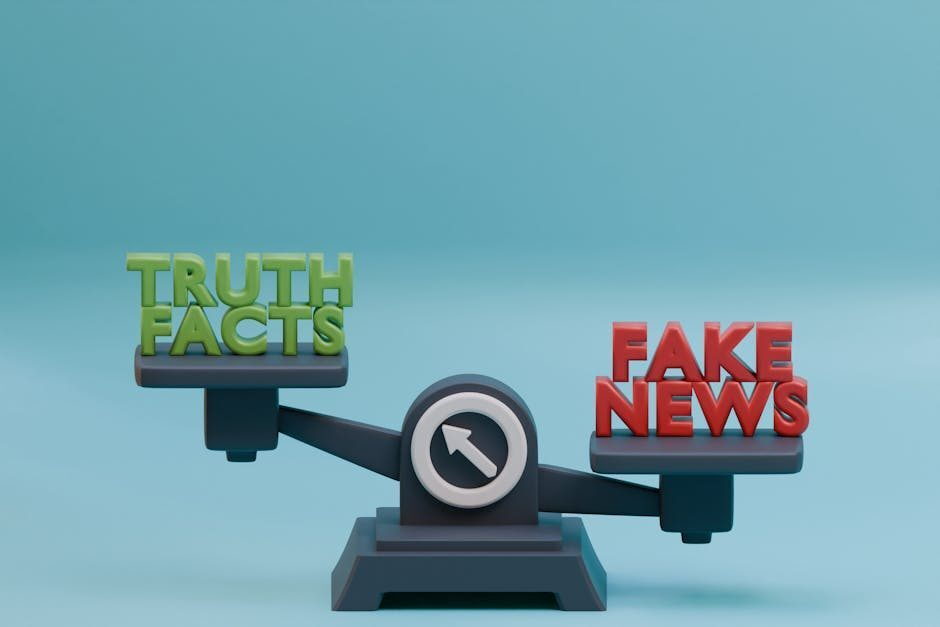
Ultimately, the fight against misinformation is a fight for democracy. A well-informed public is essential for a functioning democracy, and journalists have a responsibility to provide that information accurately and ethically. The new generation of digitally savvy journalists, armed with AI and a commitment to truth, are ready to take on that challenge.
If you want a practical next step, you can also check out Get the best book with practical guides on digital communication essentials.
If you want a practical next step, you can also check out Become an Ultimate Master of your life.








Leave A Comment