

Beyond the Algorithm: Injecting Humanity into AI-Driven Personalization
We’re constantly told that artificial intelligence is revolutionizing personalization, offering tailored experiences at every turn. But in this rush to hyper-personalization, are we losing something vital: genuine human connection? It’s time to shift the conversation from pure algorithmic prowess to the ethical and emotional considerations that should underpin AI-driven personalization.
Imagine walking into your favorite local bookstore. The owner knows your name, remembers your preferred genres, and can recommend a book based not just on your past purchases, but also on a conversation you had last week about your evolving interests. This is the gold standard of personalization – a blend of data and authentic human understanding. Can AI truly replicate this?
While AI algorithms excel at identifying patterns and predicting preferences based on vast datasets, they often lack the nuanced understanding of human context. They might recommend a product similar to one you bought last year, overlooking the fact that your needs have changed. True personalization acknowledges the individual’s journey, not just their transactional history.
The Perils of the Perfect Echo Chamber
One of the biggest dangers of unchecked AI personalization is the creation of “echo chambers.” Algorithms, designed to maximize engagement, can inadvertently trap users in filter bubbles, reinforcing existing beliefs and limiting exposure to diverse perspectives. This can lead to polarization and a distorted view of reality.
The Case of the Misunderstood Music Recommendation
Consider a music streaming service that relies solely on past listening habits to generate playlists. If you once listened to a particular genre during a difficult time, the algorithm might continue to flood you with similar music, even if you’ve moved on and prefer something different. This demonstrates a lack of understanding of the user’s evolving emotional state.
Transparency as the Antidote
The key to mitigating these risks lies in radical transparency. Users need to understand how their data is being used and have control over the personalization process. Think of it as a dimmer switch – allowing users to adjust the intensity of personalization based on their comfort level and desire for discovery.
Ethical Frameworks for AI Personalization
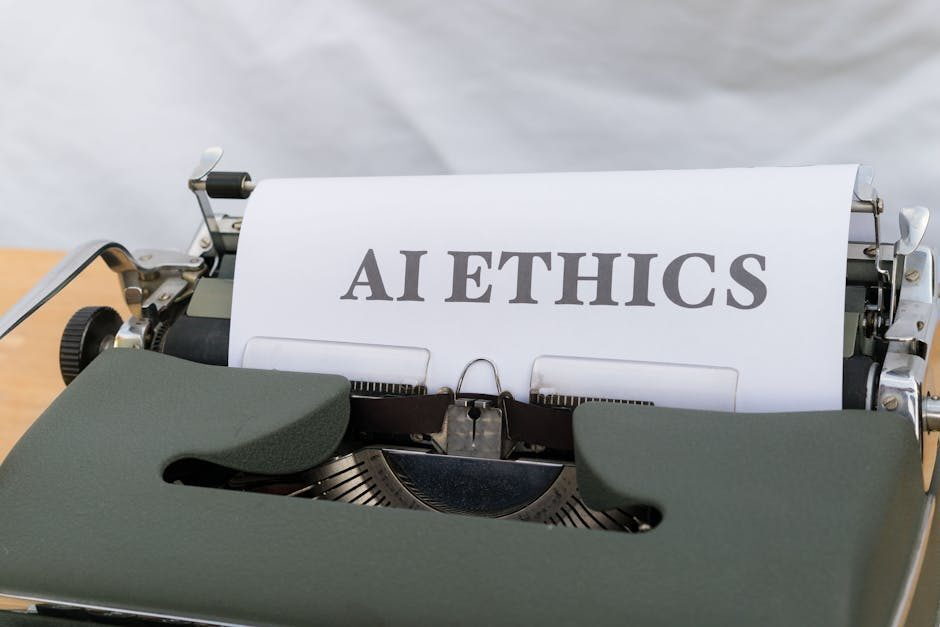
Beyond transparency, we need robust ethical frameworks to guide the development and deployment of AI personalization systems. These frameworks should address issues such as bias, fairness, and privacy. We must actively work to ensure that AI personalization benefits all members of society, not just a select few.

Combating Algorithmic Bias: A Real-World Example
Facial recognition software, often used in personalization systems, has been shown to exhibit racial bias, performing less accurately on individuals with darker skin tones. This highlights the importance of diverse datasets and rigorous testing to identify and mitigate bias in AI algorithms.
Data Privacy: The Foundation of Trust
Data privacy is paramount. Companies must be transparent about their data collection practices and provide users with meaningful control over their personal information. Strong data protection laws are essential to safeguard individual rights and prevent misuse of data.
Reimagining Personalization: A Human-First Approach
The future of personalization lies in a human-first approach that prioritizes empathy, transparency, and user agency. It’s about using AI to augment, not replace, human connection. It’s about creating experiences that are not only relevant but also meaningful and empowering.
- Design for discovery: Encourage exploration beyond existing preferences.
- Prioritize user well-being: Avoid manipulative tactics and respect emotional boundaries.
- Foster genuine connection: Use AI to facilitate meaningful interactions, not just transactions.
By embracing these principles, we can harness the power of AI to create a more personalized world that is both intelligent and deeply human.
| Traditional AI Personalization | Human-First Personalization |
|---|---|
| Data-Driven | Empathy-Driven |
| Predictive | Contextual |
| Automated | Collaborative (AI + Human) |
If you want a practical next step, you can also check out Heal your past, design your future.
If you want a practical next step, you can also check out Become an Ultimate Master of your life.





Leave A Comment