

Robotics Revolution: Are Artificial Humans Finally Here?
The field of robotics is experiencing an unprecedented surge in innovation, blurring the lines between science fiction and reality. Recent advancements are not just about building robots; they’re about creating artificial humans with increasingly sophisticated capabilities. From engaging in natural conversations to performing complex tasks in diverse environments, the latest developments signal a monumental shift in how we interact with and utilize robotic technology.
Real-World Deployments: From Factories to Homes
One of the most significant indicators of this rapid evolution is the deployment of robots in real-world settings. Realbotix recently launched Vinci, an AI vision system, and delivered a humanoid robot to Ericsson. This robot features advanced facial recognition, conversation memory, and real-time engagement tracking, marking a substantial leap in enterprise robotics. Meanwhile, UniX AI has introduced Panther, the world’s first service humanoid robot designed for household deployment. Panther’s unique wheeled dual-arm architecture promises to revolutionize in-home assistance.
These aren’t isolated incidents. IHMC unveiled Alex, a humanoid robot designed for operation in dangerous, real-world environments, showcasing the potential of robotics in hazardous situations. As robots become more adept at navigating and interacting with their surroundings, their applications expand into areas previously deemed too risky or complex for automation.
Innovations in Design and Functionality
Beyond deployment, groundbreaking innovations in robot design and functionality are accelerating the field. Princeton University has developed a soft robot that moves using heat instead of traditional motors or gears, paving the way for more flexible and adaptable machines. Scientists have also created living neurobots with self-organized nervous systems, hinting at the potential for biologically integrated robotics. Arizona State University researchers have engineered artificial muscles, known as HARP muscles, enabling robots to lift up to one hundred times their own weight, significantly enhancing their strength and utility.
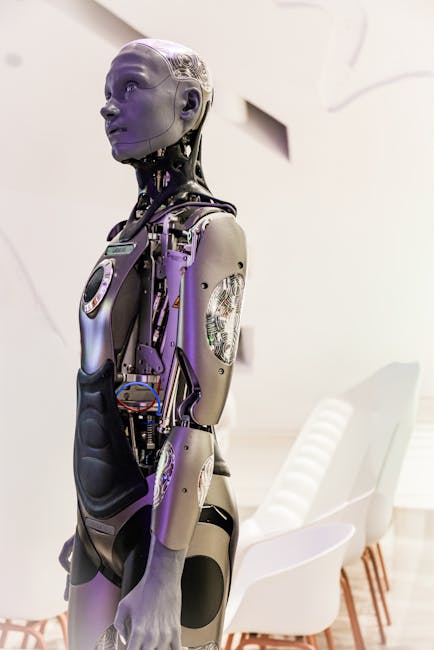
Affordable Humanoids: Democratizing Robotics
The final piece of this rapidly evolving puzzle is affordability. Unitree is now pushing its low-cost R1 humanoid robot into global markets through platforms like AliExpress. This move democratizes access to humanoid robotics, making it available to a wider range of consumers and businesses. The combination of increased functionality, real-world deployment, and decreasing costs is creating a perfect storm for the widespread adoption of artificial humans.
The Future is Now: A Paradigm Shift in Robotics
The convergence of these advancements signifies a paradigm shift in robotics. Robots are becoming more human-like in their interactions, more capable in diverse environments, more advanced in their design, and more accessible to the global market. This rapid evolution is pushing robotics out of the lab and into our everyday lives, faster than many anticipated. As we continue to innovate and refine these technologies, the line between artificial and human will continue to blur, ushering in a new era of possibilities and challenges.
Ethical Considerations and the Future of Work
As artificial humans become more prevalent, it’s crucial to address the ethical considerations they raise. Questions surrounding job displacement, data privacy, and the potential for misuse must be carefully examined. Governments, researchers, and industry leaders need to collaborate to establish guidelines and regulations that ensure these technologies are used responsibly and for the benefit of society.
Impact on Employment
One of the most pressing concerns is the potential impact on employment. While robots can automate repetitive and dangerous tasks, they may also displace workers in various industries. Strategies for mitigating this impact include investing in education and training programs to help workers acquire new skills, exploring alternative economic models like universal basic income, and fostering innovation in sectors that create new job opportunities.

Data Privacy and Security
Artificial humans often rely on vast amounts of data to learn and operate effectively. This raises concerns about data privacy and security. It’s essential to implement robust security measures to protect sensitive information from unauthorized access and misuse. Transparent data collection practices and user consent mechanisms are also crucial for building trust and ensuring that individuals have control over their personal data.
Conclusion: Embracing the Potential, Addressing the Challenges
The rise of artificial humans presents both tremendous opportunities and significant challenges. By embracing the potential of these technologies while proactively addressing the ethical and societal implications, we can harness their power to create a better future for all. Continued research, open dialogue, and responsible innovation are essential for navigating this rapidly evolving landscape and ensuring that artificial humans serve humanity’s best interests.
If you want a practical next step, you can also check out Become an Ultimate Master of your life.










Leave A Comment