
Introduction
The media industry is undergoing a seismic shift, driven by rapid advancements in technology. As we move further into 2024 and beyond, understanding these emerging technologies is crucial for media companies aiming to stay relevant. From artificial intelligence to cloud computing, these innovations are not just enhancing content creation and distribution; they are redefining the very nature of media consumption. In this feature story, we’ll explore the latest technological trends shaping the media landscape, focusing on how they are changing production, distribution, and audience engagement.
Artificial Intelligence: The Creative Partner
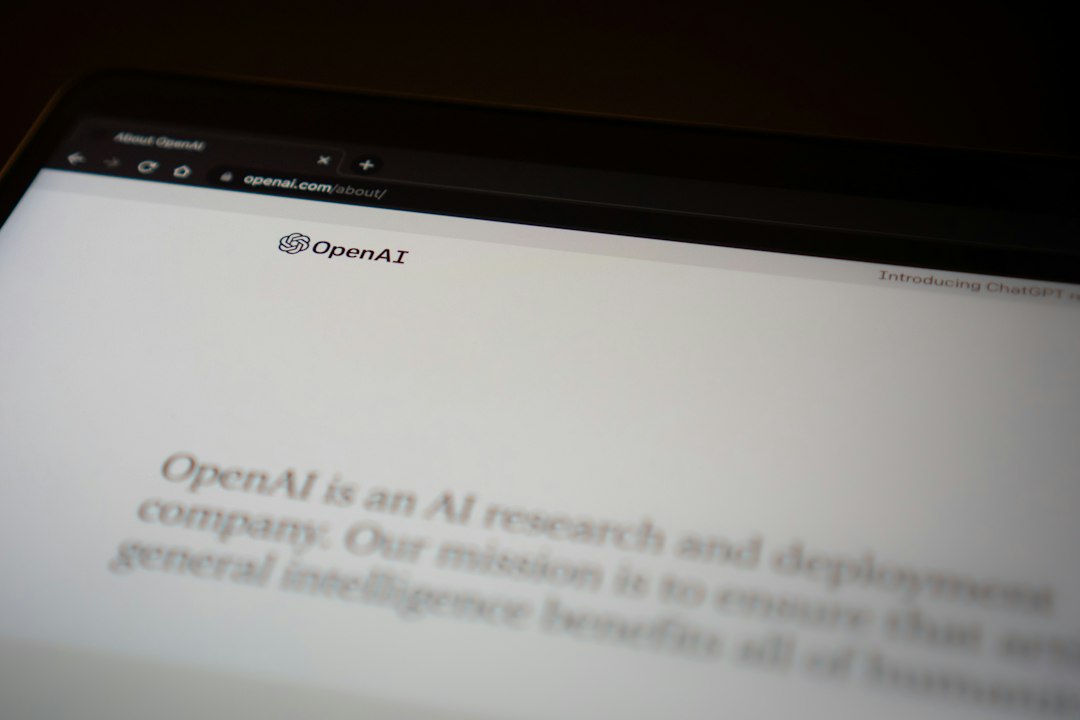
Artificial Intelligence (AI) has been a game-changer in various sectors, but its impact on the media industry is particularly profound. AI technologies are transforming processes from scriptwriting to video editing and even audience targeting. AI-driven tools can analyze viewer preferences and suggest content, making the creation process more efficient and tailored to audience interests.
Content Creation and Curation
Media companies are increasingly utilizing AI for content creation. For instance, AI algorithms can generate news articles, sports summaries, and even creative storytelling. This technology not only enhances productivity but also allows for real-time updates, keeping content fresh and relevant. Additionally, by leveraging AI for content curation, media outlets can provide personalized recommendations that enhance viewer engagement.
Real-Time Analytics and Insights
Another significant advantage of AI is its ability to deliver real-time analytics. Media companies can now track viewer engagement, analyze trends, and adjust their strategies accordingly. This level of insight enables more informed decision-making and helps media outlets stay ahead in an increasingly competitive market.
Cloud Technology: The Backbone of Modern Media
Cloud technology is revolutionizing how media companies operate. By shifting operations to the cloud, companies can enhance their flexibility, scalability, and reliability. This shift is particularly important as the demand for on-demand content continues to rise.
Flexible Content Distribution
With cloud technology, media companies can distribute content across multiple platforms seamlessly. This flexibility allows for a more extensive reach, catering to audiences on various devices. As consumers increasingly demand content on mobile devices, the ability to distribute content efficiently is paramount.
Cost Efficiency and Collaboration
Cloud solutions also present significant cost savings. By reducing the need for physical infrastructure, media companies can allocate resources more efficiently. Furthermore, cloud technology facilitates collaboration among teams, enabling remote work and real-time updates, which is essential in today’s fast-paced environment.
Virtual and Augmented Reality: Immersive Experiences
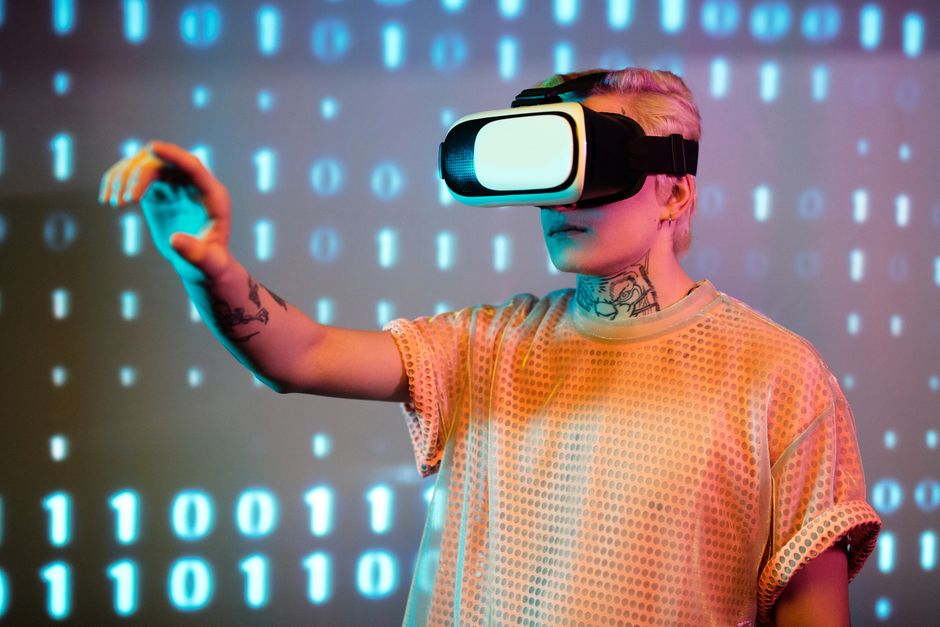
Virtual Reality (VR) and Augmented Reality (AR) are gaining traction in the media landscape, offering immersive experiences that traditional media cannot. These technologies engage audiences in ways that enhance the storytelling experience, creating a deeper connection with the content.
Enhancing Storytelling
Media companies are experimenting with VR and AR to create more engaging narratives. For example, news outlets are using VR to transport viewers to the scene of events, providing a first-person perspective that traditional reporting cannot achieve. This not only enhances the viewing experience but also fosters a greater sense of empathy and understanding among audiences.
Interactive Advertising
Furthermore, AR is reshaping advertising by enabling interactive campaigns that allow consumers to engage with the brand in a more meaningful way. This interactivity can lead to higher conversion rates and a more loyal customer base, as consumers feel a personal connection to the content.
Blockchain Technology: Trust and Transparency
As digital media faces challenges such as copyright infringement and distribution rights, blockchain technology emerges as a solution. By providing a decentralized ledger, blockchain offers a way to ensure authenticity and protect intellectual property.
Securing Intellectual Property
For content creators, blockchain can serve as a safeguard against piracy. Smart contracts can automate royalty payments, ensuring that creators are compensated fairly for their work. This transparency fosters trust among creators, distributors, and consumers alike.
Decentralized Content Distribution
Moreover, blockchain enables decentralized content distribution models that empower creators. By eliminating intermediaries, creators can connect directly with their audience, enhancing revenue opportunities. This paradigm shift could democratize the media landscape, allowing more diverse voices to be heard.
Emerging Trends in Media Consumption
As technology evolves, so do the habits of media consumers. Recent studies indicate a significant shift in how audiences engage with content. The rise of streaming services, the popularity of short-form content, and the increasing use of mobile devices are all notable trends.
Streaming Services and On-Demand Content
Streaming services continue to dominate media consumption, offering audiences the ability to access content anytime, anywhere. This shift has led traditional media companies to adapt their strategies, focusing on creating compelling on-demand offerings. As consumer preferences lean towards convenience, companies must prioritize user experience and content quality.
Short-Form Content for Mobile Audiences
Additionally, the growing popularity of platforms like TikTok and Instagram has shifted consumer preferences towards short-form content. Media companies are recognizing the need to create bite-sized, engaging content that resonates with mobile users. This trend emphasizes the importance of adaptability in content creation strategies.
Conclusion: Embracing Change in the Media Landscape
The media industry stands at a crossroads, with emerging technologies paving the way for a new era. As AI, cloud technology, VR/AR, and blockchain continue to reshape the landscape, media companies must embrace these changes to thrive. By leveraging these technologies, companies can enhance content creation, distribution, and audience engagement, ultimately leading to a more dynamic and inclusive media environment.
For those looking to harness their potential in this evolving landscape, consider exploring resources that can guide personal and professional growth. Become an Ultimate Master of your life and navigate the complexities of the modern media industry with confidence.





Leave A Comment