
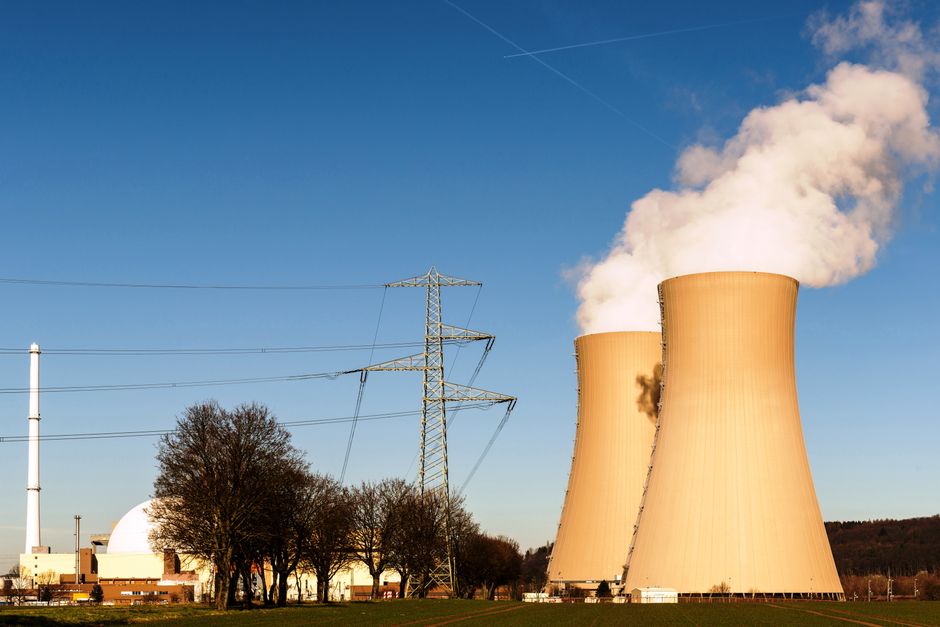
A New Power Paradigm: From Consumer to Catalyst
The rise of artificial intelligence is not merely creating a new demand for electricity; it is forging a new, symbiotic relationship between the technology sector and the world of advanced energy. Big Tech’s voracious and highly specific appetite for power is creating a premium market for next-generation energy solutions. This demand is acting as a powerful economic catalyst, accelerating the development of technologies like advanced nuclear and geothermal power, not as a last resort, but as a strategic necessity for competitive advantage.
The AI Power Profile: Reliability, Density, and Decarbonization
Powering an AI data center is unlike powering a city. The electrical requirements are far more stringent, creating a unique ‘power profile’ that standard grid solutions struggle to meet. Success in the AI race depends on securing energy that satisfies three core criteria:
- Unyielding Reliability: AI models operate continuously. Any interruption can corrupt training processes worth millions of dollars. The required standard is ‘five-nines’ availability (99.999% uptime), a level of consistency that intermittent sources cannot guarantee on their own.
- High Power Density: Data centers pack immense computational power into a small physical footprint. They require a dense, concentrated energy source located nearby to minimize transmission losses and support massive, localized loads.
- Verifiable Carbon-Free Operation: To meet ambitious corporate sustainability goals and investor expectations, the power must be clean, 24/7. This rules out relying on fossil-fuel backup, pushing companies to find sources that are both reliable and carbon-free.
The Intermittency Gap: Why Conventional Renewables Need a Partner
While wind and solar are pillars of the green transition, their variable nature presents a fundamental business risk for AI operations. An AI data center cannot pause its functions when the wind dies down or clouds cover the sun. While battery storage is a crucial component for short-term grid stability, current technology cannot cost-effectively provide the days-long, uninterrupted power needed to back up a gigawatt-scale data center campus. This creates an ‘intermittency gap’ that requires a different class of clean energy: firm, baseload power.
Taking the next step becomes straightforward when you have the right support — Heal your past, design your future is worth exploring.
Taking the next step becomes straightforward when you have the right support — Become an Ultimate Master of your life is worth exploring.
Tech’s Strategic Pivot to 24/7 Clean Energy Sources
Faced with this challenge, technology giants are proactively investing in and shaping the market for next-generation firm power. This isn’t just about buying electricity; it’s about securing the entire energy supply chain for decades to come.
The Modular Nuclear Solution
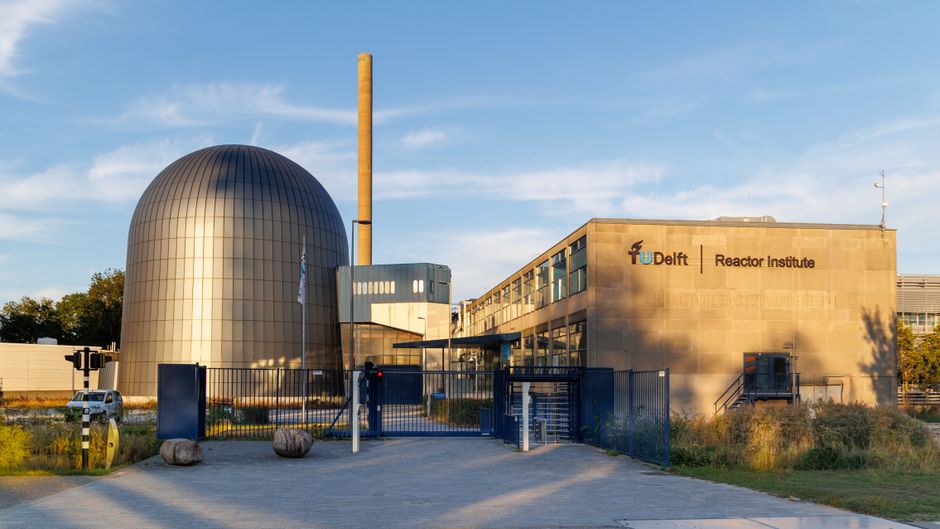
A leading candidate to fill the gap is the Small Modular Reactor (SMR). Unlike their colossal predecessors, SMRs offer a business case that aligns perfectly with the tech industry’s needs. Their factory-built, scalable design allows energy capacity to be deployed incrementally, matching the phased build-out of data center campuses. This vision is already in motion; Microsoft has hired nuclear energy experts to build a team dedicated to powering its data centers with SMRs, while Amazon Web Services secured a direct, long-term supply by acquiring a data center campus connected to one of the nation’s largest nuclear power plants.
Tapping Subterranean Heat: The Geothermal Promise
Alongside nuclear fission, enhanced geothermal systems (EGS) are emerging as a powerful contender. By creating engineered reservoirs deep underground, EGS can provide constant, carbon-free steam power almost anywhere on Earth. This technology offers the same 24/7 reliability as fossil fuels but with a minimal surface footprint, making it an ideal, non-controversial power source to locate adjacent to data centers.
Bridging Two Worlds: Aligning Tech Speed with Energy Infrastructure
The primary hurdle is no longer just technology, but timing. The energy sector operates on decadal timelines for permitting and construction, a stark contrast to the 18-month innovation cycles of the AI industry. Overcoming this requires new forms of collaboration:
- Regulatory Modernization: Public-private partnerships are essential to streamline the complex and lengthy approval processes for new nuclear and geothermal projects.
- De-risking Investment: The massive upfront capital from tech companies, through long-term power purchase agreements, provides the financial certainty needed to build these first-of-a-kind energy facilities.
- Innovative Siting: Co-locating SMRs or geothermal plants directly on data center campuses can simplify regulatory hurdles and create self-contained ‘power islands’ immune to wider grid instability.
Conclusion: A Market-Driven Energy Revolution
The immense energy requirements of artificial intelligence represent a pivotal moment. Far from being a mere crisis, AI’s specific power needs are creating the first truly massive market for advanced, clean, firm energy. This tech-driven demand is providing the investment and urgency required to move next-generation nuclear and geothermal technologies from blueprint to baseload, forging a new energy reality that will power not just the future of AI, but potentially the entire global economy.








Leave A Comment