
The Quiet Crisis of the Modern Dress Watch
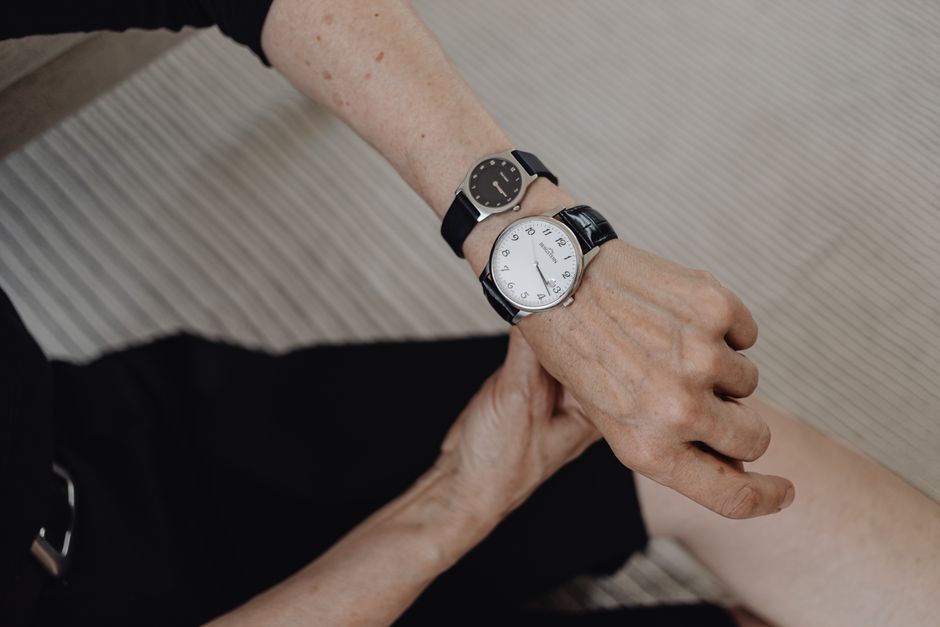
In an age where the steel sports watch reigns supreme, the classic dress watch often feels like a relic. The market is saturated with rugged divers, complex chronographs, and globetrotting GMTs, leaving the quiet elegance of the traditional dress watch on the sidelines. This cultural shift has pushed exceptional timepieces and even entire brands to the periphery of enthusiast conversations. Chopard, a maison with unimpeachable horological credentials, exemplifies this struggle, crafting technically proficient and aesthetically beautiful watches that are frequently overlooked. The reasons for this are rooted in deep shifts in lifestyle, practicality, and brand perception.
Key Takeaways
- Modern lifestyles and overwhelmingly casual dress codes have drastically reduced the practical need and occasions for wearing a traditional dress watch.
- Compared to robust sports models, dress watches often lack the everyday durability, water resistance, and versatility that today’s buyers demand.
- Chopard faces a unique brand identity challenge where its world-renowned jewelry collections overshadow its genuinely world-class L.U.C. watchmaking division.
- The prevailing collector narrative favors the functional, historical appeal of tool watches, which can negatively impact the desirability and resale value of elegant dress watches.
The Shifting Sands of Style and Utility
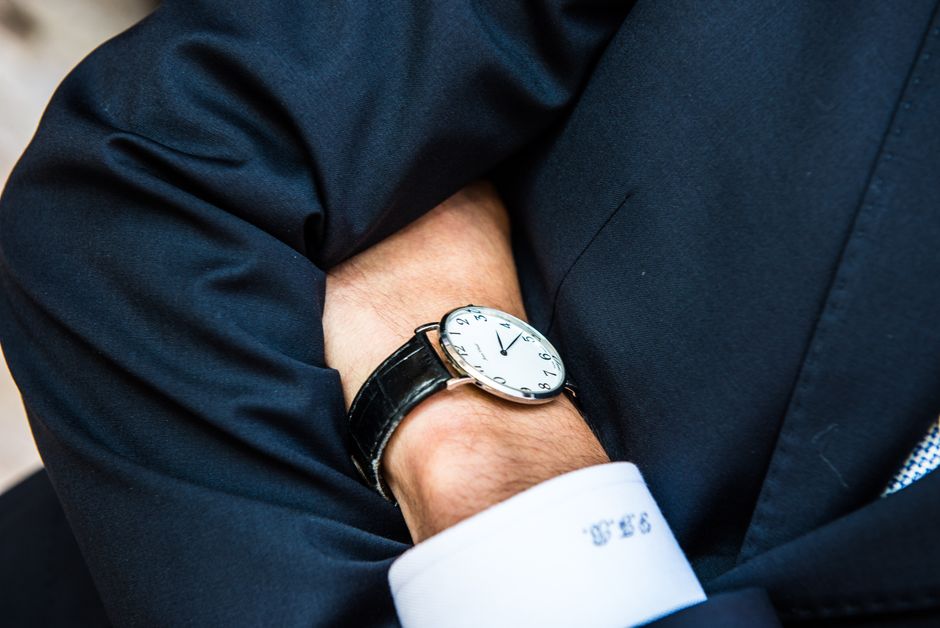
The core of the issue is a fundamental mismatch between the dress watch’s intended purpose and the realities of modern life. The world for which it was designed—a world of daily suits, formal events, and clear distinctions between work and leisure—has largely vanished. This has created a cascade of challenges for the category.
The Casualization of Culture
As our wardrobes have become more casual, so too have our wrists. A 2021 Gallup poll revealed that only 3% of American workers now wear a suit to the office daily. The elegant timepiece designed to slip discreetly under a French cuff now seems out of place with the de facto uniform of t-shirts, polo shirts, and jeans. The very context that gave the dress watch its purpose is now the exception rather than the rule, limiting its appeal to a shrinking niche of formal occasions.
The Demand for Durability
Beyond aesthetics, the modern watch buyer prioritizes functional resilience. We expect our watches to handle an unexpected rainstorm, a trip to the beach, or the occasional knock against a doorframe without issue. This is where the delicate nature of the classic dress watch becomes a significant liability. Most offer minimal water resistance, typically rated at 30 meters, making them merely splash-proof. This practical difference is a major psychological barrier for someone seeking a single, do-it-all timepiece.

| Feature | Typical Dress Watch | Typical Sports Watch |
| Case Material | Polished Precious Metal or Steel | Brushed and Polished Steel |
| Water Resistance | 30 meters (Splash-proof) | 100-300 meters (Swim/Dive-proof) |
| Strap/Bracelet | Delicate Leather | Robust Steel, Rubber, or Fabric |
| Durability Focus | Elegance and Slimness | Resilience and Legibility |
The Versatility Premium
Versatility is the ultimate currency in modern watch collecting. A Rolex Submariner or Omega Speedmaster looks just as appropriate with a suit as it does with shorts. The same cannot be said for a yellow gold Patek Philippe Calatrava on a black alligator strap. The dress watch is a specialist in an era that worships the generalist. This directly impacts brands like Chopard, whose core men’s collections are built around classical elegance, as buyers increasingly seek a single watch that can transition seamlessly from the boardroom to a weekend barbecue.
The Collector’s Mindset: Narrative and Value
The way enthusiasts and collectors think about watches has also evolved, prioritizing stories and investment potential in ways that favor the sports watch category.
The Romance of the Tool Watch
The narrative of the tool watch—a piece of equipment designed for a specific, demanding purpose—creates a much stronger emotional connection for today’s buyer than pure elegance does. There is a romance to wearing a watch descended from models worn by astronauts, deep-sea divers, or racing drivers. This history imbues the watch with a sense of adventure and purpose that a dress watch, designed for sophistication and social status, often struggles to match.
Secondary Market Realities
In today’s market, watches are often viewed as assets. The hype surrounding stainless steel sports models from key brands has created an environment where they not only hold their value but often appreciate significantly. In contrast, many dress watches, even those from prestigious manufacturers like Chopard, experience steep depreciation once they leave the showroom. For a buyer conscious of value retention, this makes the sports watch a far safer and more attractive financial proposition.
Chopard’s Unique Conundrum
While the entire dress watch category faces headwinds, Chopard contends with an additional, unique problem: its own success in another field. This creates a significant perception hurdle for its men’s watch division.
The Shadow of High Jewelry
For the average luxury consumer, the name Chopard evokes images of high jewelry, the Cannes Film Festival, and its iconic Happy Diamonds collection. This powerful association with feminine, jewelry-focused luxury means many potential buyers simply do not associate the brand with serious, masculine horology, despite overwhelming evidence to the contrary.
The Unseen Excellence of L.U.C. Manufacture
The irony is that Chopard’s L.U.C (Louis-Ulysse Chopard) division produces some of the finest movements in the industry. These are not generic, off-the-shelf calibers; they are in-house creations, often finished to the exacting standards of the Geneva Seal and certified by the Fleurier Quality Foundation—one of the most demanding certifications in all of watchmaking. From ultra-thin micro-rotors to perpetual calendars and tourbillons, the technical prowess of the L.U.C. manufacture is on par with the most revered names in the business, yet this reality is often lost behind the sparkle of its jewelry.
A Renaissance for Elegance? The Future of the Dress Watch
Despite the challenges, it is not the end for the dress watch. Instead, the category is evolving, and its appeal is being redefined for a new generation of enthusiasts.
Redefining the Category
Brands are adapting by creating hybrid designs that blend formal aesthetics with everyday practicality. This includes creating dressier watches with improved water resistance, offering them on elegant metal bracelets instead of just leather, and designing slightly larger, more contemporary case sizes. The Chopard Alpine Eagle, a luxury integrated-bracelet sports watch, is a perfect example of the brand leveraging its horological skill to meet modern market demands directly.
The Enduring Appeal of Craftsmanship
As the market becomes saturated with homogenous sports models, a growing niche of collectors is turning to dress watches to find distinction. For the connoisseur who values superlative finishing, horological artistry, and timeless design above all else, the classic dress watch remains the ultimate expression of the watchmaker’s craft. Its purpose may have shifted from a daily necessity to a deliberate choice, but in that choice lies its enduring power and appeal.




Leave A Comment