

The Rise of the Humanoid: AI Robots in 2026
The year is 2026, and the world of robotics has undergone a transformation. What was once confined to the realms of science fiction is rapidly becoming a tangible reality. From shape-shifting aquatic robots to humanoids capable of complex industrial tasks and even full-sized, manned mecha suits, the advancements in AI robotics are blurring the lines between machine and human. Let’s delve into the groundbreaking developments that have defined this pivotal year.
China’s Biomimetic Revolution: Soft Humanoids Emerge
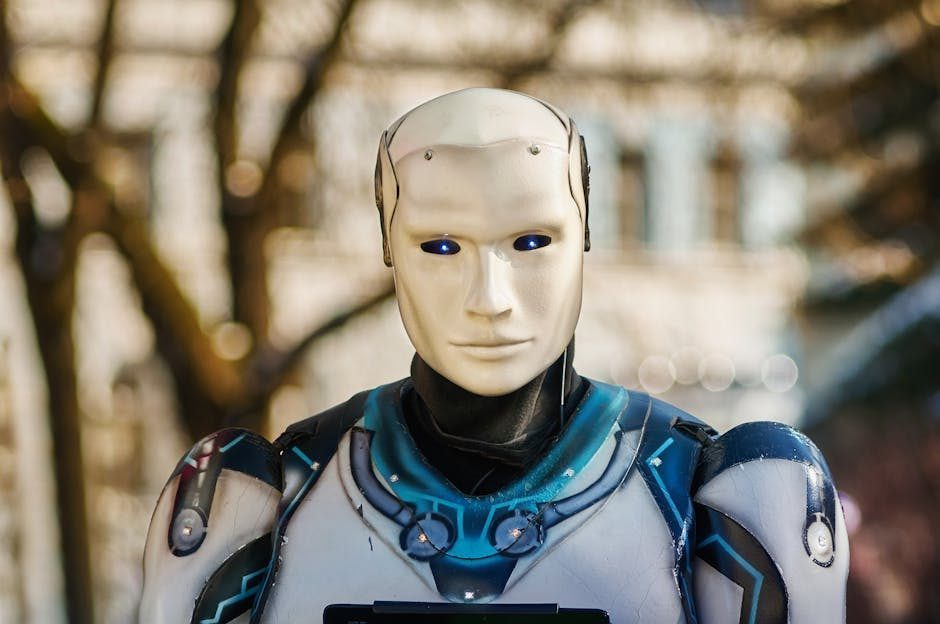
China has emerged as a frontrunner in the humanoid robotics race, unveiling its first biomimetic AI robot. This creation is not just a static display; it’s a dynamic entity capable of mimicking human movements and expressions with startling accuracy. The implications are vast, ranging from personalized healthcare and elder care to educational roles where a gentle, relatable presence is paramount.
But the innovation doesn’t stop there. Chinese engineers have also pioneered a shape-shifting robot capable of traversing diverse environments. This remarkable machine can walk on water, fly through the air, and swim with ease, showcasing a level of adaptability previously unseen in robotics. Its potential applications span search and rescue operations, environmental monitoring, and even underwater infrastructure maintenance.
Boston Dynamics’ Atlas: From Lab to Labor
Boston Dynamics, a name synonymous with cutting-edge robotics, has taken its iconic Atlas humanoid robot to the next level. No longer just a demonstration of agility and balance, the new Atlas is being geared towards real-world industrial applications. With enhanced strength, dexterity, and AI-powered navigation, Atlas is poised to tackle physically demanding tasks in factories, warehouses, and construction sites. This transition from lab demo to practical workforce member signifies a major step forward in the integration of robots into everyday life.
Beyond Human Limits: AI Robots Surpassing Human Skill
One of the most significant breakthroughs of 2026 is the ability of AI robots to surpass human skill levels in certain domains. Chinese researchers have developed robots capable of performing intricate tasks with precision and efficiency that exceeds human capabilities. This has profound implications for industries requiring high levels of accuracy and consistency, such as microchip manufacturing, pharmaceutical production, and advanced surgical procedures.
The Blurring Lines: Artificial Humans and the Rise of Moya
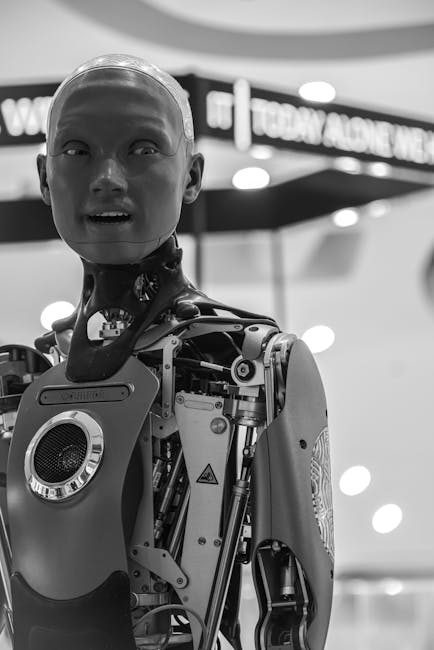
The uncanny valley continues to shrink as artificial humans become increasingly realistic. The development of robots like Moya, with their lifelike appearance, expressive features, and natural language processing capabilities, are making it harder to distinguish between human and machine. This raises ethical questions about the nature of interaction and the potential for emotional connection with AI companions.
The Autonomous Robot Army: A New Era of Warfare?
Perhaps the most controversial development of 2026 is the emergence of autonomous AI robot armies. While details remain scarce, the implications are undeniable. The prospect of robots making life-or-death decisions on the battlefield raises serious ethical and strategic concerns, prompting global debates about the regulation and control of autonomous weapons systems.
Unitree’s MECHA Robot: Stepping into Science Fiction
Unitree took a giant leap towards science fiction with the unveiling of its full-size, manned mecha robot. This imposing machine, reminiscent of the iconic robots from anime and video games, represents a bold step in the development of powerful and versatile robotic platforms. While its practical applications are still being explored, the MECHA robot showcases the potential for human-machine collaboration in extreme environments and demanding tasks.
Ethical Considerations and Societal Impact
The rapid advancement of AI robotics in 2026 necessitates a careful examination of the ethical considerations and potential societal impact. As robots become more integrated into our lives, it is crucial to address concerns related to job displacement, privacy, and the potential for misuse. Clear guidelines and regulations are needed to ensure that AI robotics is developed and deployed in a responsible and ethical manner.
Job Displacement and the Future of Work
The automation of tasks previously performed by humans raises concerns about job displacement. It is essential to invest in education and training programs to equip workers with the skills needed to adapt to the changing job market. Exploring alternative economic models, such as universal basic income, may also be necessary to mitigate the potential negative consequences of automation.
Privacy and Data Security
As robots collect and process increasing amounts of data, it is crucial to protect individuals’ privacy and ensure data security. Robust cybersecurity measures are needed to prevent unauthorized access to sensitive information. Clear guidelines are also needed regarding the collection, storage, and use of data by AI robots.
The Future is Now: A Paradigm Shift in Technology
The advancements in AI robotics witnessed in 2026 are more than just incremental improvements; they represent a fundamental shift in technology. Robots are no longer confined to controlled environments or simple repetitive tasks. They are becoming softer, faster, more human-like, and more capable of operating in the real world. As robotics continues to evolve, it will reshape industries, redefine human-machine interactions, and raise profound questions about the future of work, warfare, and what it means to be human.
If you want a practical next step, you can also check out Become an Ultimate Master of your life.







Leave A Comment