
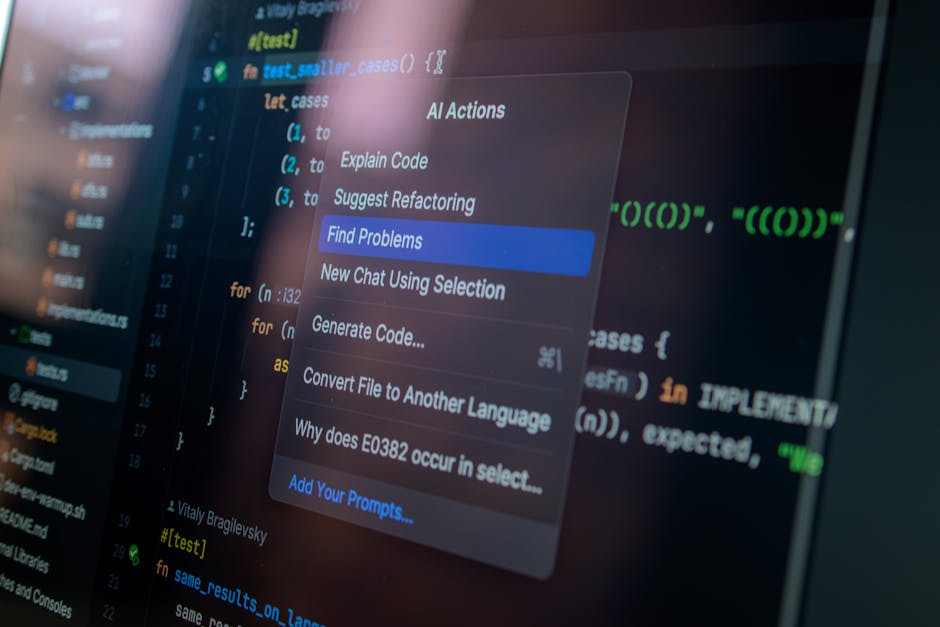
The Dawn of AI-Powered Kafka Management
The world of data streaming is rapidly evolving, and at the forefront of this transformation is the integration of Artificial Intelligence (AI) with established platforms like Apache Kafka. A recent breakthrough showcases the powerful synergy between Confluent Cloud, a managed Kafka service, and Claude Desktop, an AI assistant, through the Model Context Protocol (MCP) server. This integration promises to simplify Kafka operations, boost productivity, and enhance the learning experience for data engineers and developers.
Unlocking Natural Language Kafka Operations
Imagine managing your Kafka clusters with simple, conversational commands. No more memorizing complex CLI syntax. This integration makes it a reality. Instead of typing cryptic commands, users can interact with their Kafka infrastructure using natural language queries. For example, instead of confluent kafka cluster list --environment env-123456, you can simply ask Claude: “List all clusters in ankur_env environment.” Similarly, creating a topic becomes as easy as saying, “Create a topic called thermostat_readings.” This intuitive approach democratizes Kafka operations, making it accessible to a wider range of users, regardless of their technical expertise.
This AI-powered approach isn’t just about convenience; it’s about unlocking new levels of efficiency and understanding. By abstracting away the complexity of CLI commands, data engineers can focus on higher-level tasks, such as designing and optimizing data pipelines.
Key Capabilities: From Cluster Management to Data Quality
The integration of Confluent Cloud and Claude Desktop extends beyond basic cluster management. Here’s a glimpse of the advanced AI-driven data management capabilities:

- Connector Management: Manage Kafka Connectors through a conversational interface, simplifying data integration workflows.
- Real-time Pipeline Monitoring: Gain AI-powered insights into your data pipelines, enabling proactive monitoring and issue resolution.
- Automated Troubleshooting: Receive AI-driven recommendations for troubleshooting common Kafka issues, reducing downtime and improving system reliability.
- Data Quality Checks: Use natural language queries to perform data quality checks, ensuring the accuracy and consistency of your data.
Practical Demonstrations: Real-World Use Cases
The power of this integration is best illustrated through practical demonstrations. The tutorial highlights several real-world use cases, including:
- IoT Sensor Data Simulation: Simulate thermostat readings and process the data in real-time using Kafka.
- Retail Transaction Processing: Build a pipeline for processing retail transactions, enabling real-time analytics and insights.
- Change Data Capture (CDC) with PostgreSQL: Capture changes in a PostgreSQL database and stream them to Kafka using Debezium.
- Stream Processing with ksqlDB: Perform real-time stream processing using ksqlDB, enabling complex data transformations and aggregations.
The Technology Stack: A Powerful Combination
The success of this integration relies on a robust technology stack:
AI & Integration Layer:
- Claude Desktop: The AI assistant interface that provides a natural language interface to Kafka.
- MCP (Model Context Protocol): The framework that enables seamless integration between AI tools and Kafka.
- Confluent Cloud MCP Server: The bridge that connects Claude Desktop to Confluent Cloud.
Data Streaming Infrastructure:
- Apache Kafka: The event streaming platform at the heart of the system.
- Confluent Cloud: The managed Kafka service that simplifies deployment and management.
- Schema Registry: Ensures data governance and evolution.
- ksqlDB: Enables real-time stream processing.
- Kafka Connect: Simplifies data integration.
Database & Storage:
- PostgreSQL: Used as a source and destination database.
- Debezium: Facilitates Change Data Capture (CDC).
Game-Changing Benefits: Increased Productivity and Enhanced Learning
The integration of AI into Kafka management offers a multitude of benefits:
- Simplified Operations: Eliminates the need to memorize complex CLI commands, making Kafka more accessible to a wider audience.
- Increased Productivity: Allows data engineers to focus on higher-level tasks, such as designing and optimizing data pipelines.
- Faster Troubleshooting: Provides AI-driven recommendations for resolving common Kafka issues, reducing downtime.
- Improved Data Quality: Enables natural language queries for performing data quality checks, ensuring data accuracy.
- Accelerated Learning: Offers an intuitive and interactive way to learn Kafka concepts and best practices.
The Future of Kafka Management
The integration of AI with Kafka is just the beginning. As AI technology continues to evolve, we can expect even more sophisticated capabilities to emerge, further simplifying Kafka management and unlocking new possibilities for data streaming applications. This represents a significant step towards democratizing data streaming and empowering organizations to harness the full potential of their data.

If you want a practical next step, you can also check out Become an Ultimate Master of your life.









Leave A Comment