
Introduction to Media Trends
The entertainment landscape is undergoing a significant transformation as we approach 2026. With advancements in technology and shifts in consumer behavior, new media trends are emerging that promise to redefine how content is created, distributed, and consumed. This article explores these trends in detail, highlighting their implications for the future of entertainment.
The Rise of Interactive Storytelling
One of the most notable trends is the rise of interactive storytelling. Audiences are no longer passive consumers; they seek to engage with narratives actively. Platforms like Netflix and Amazon are experimenting with interactive content, allowing viewers to make choices that affect the storyline. This trend is expected to expand, leading to a new era where viewers can shape their entertainment experiences.
Virtual Reality and Augmented Reality Integration
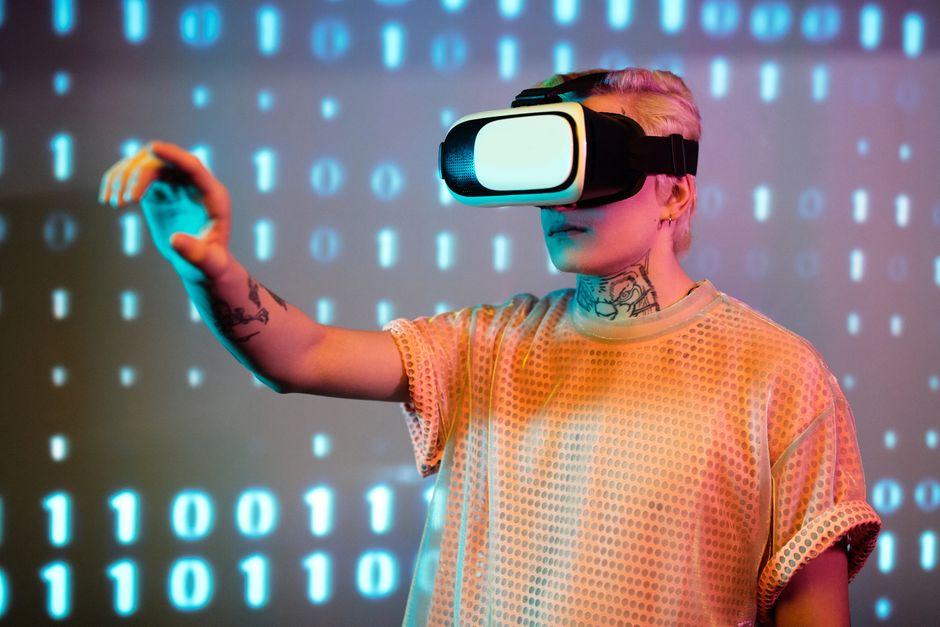
Virtual reality (VR) and augmented reality (AR) technologies are becoming more accessible and sophisticated. As these technologies evolve, they are poised to revolutionize the entertainment sector. VR experiences allow users to immerse themselves in entirely different worlds, while AR enhances real-world environments with digital overlays. Expect to see more integration of these technologies in gaming, film, and live events.
Content Personalization Through AI
Artificial intelligence (AI) is playing a crucial role in personalizing content for audiences. Streaming services are using AI algorithms to analyze viewing habits and preferences, creating tailored recommendations. This level of personalization enhances user engagement and satisfaction, making it easier for consumers to discover new content that resonates with them.

Sustainability in Entertainment Production
As awareness of environmental issues grows, the entertainment industry is taking steps towards sustainability. From eco-friendly production practices to the use of renewable energy sources, studios are increasingly prioritizing sustainable methods. This commitment to the environment will become a major factor influencing consumer choices and brand loyalty in the coming years.
The Impact of Blockchain Technology
Blockchain technology is set to disrupt the entertainment industry by providing transparency and security in content distribution. It offers a decentralized platform for artists to share their work and receive fair compensation. This trend could lead to a more equitable distribution of profits, empowering creators and reducing piracy.
Focus on Diversity and Inclusion
Diversity and inclusion are becoming central themes in media production. Audiences are demanding representation across all forms of entertainment. In response, studios are investing in diverse storytelling and talent, leading to richer narratives and broader audience appeal. This trend is not only ethical but also commercially savvy, as diverse content attracts wider demographics.
Globalization of Content
The globalization of content is another trend to watch. With the rise of streaming platforms, international films and series are gaining popularity around the world. This trend is breaking down cultural barriers and fostering a greater appreciation for global storytelling. As consumers seek diverse narratives, the entertainment industry will continue to adapt to this demand.

Conclusion
As we approach 2026, the entertainment industry is on the brink of a major evolution. The trends outlined above signal a shift towards more interactive, personalized, and inclusive content. By embracing these changes, creators and producers can not only enhance viewer engagement but also lead the charge toward a more sustainable and equitable future in entertainment.
For those interested in harnessing their potential in this transforming landscape, consider exploring “Becoming Ultimate Masters: Harnessing the Power of Manifesting” for insights on personal growth and empowerment in a rapidly changing world.








[…] Media Trends Reshaping Entertainment in 2026 […]