

The Siren Song of Efficiency: How AI is Reshaping Media Production
The media landscape is undergoing a seismic shift, driven by the relentless march of artificial intelligence. From content creation to distribution and monetization, AI is permeating every facet of the industry, offering unprecedented opportunities for efficiency, personalization, and innovation. However, this technological revolution also presents a complex web of challenges, demanding careful consideration of ethical implications, workforce adjustments, and the very future of creative expression.
One of the most significant impacts of AI is in content creation. AI-powered tools are now capable of generating news articles, scripts, and even music, automating tasks that were once the exclusive domain of human creativity. This has led to increased productivity and cost savings for media organizations, allowing them to produce more content with fewer resources. For example, AI algorithms can analyze vast datasets to identify trending topics and generate articles tailored to specific audiences, maximizing engagement and reach.
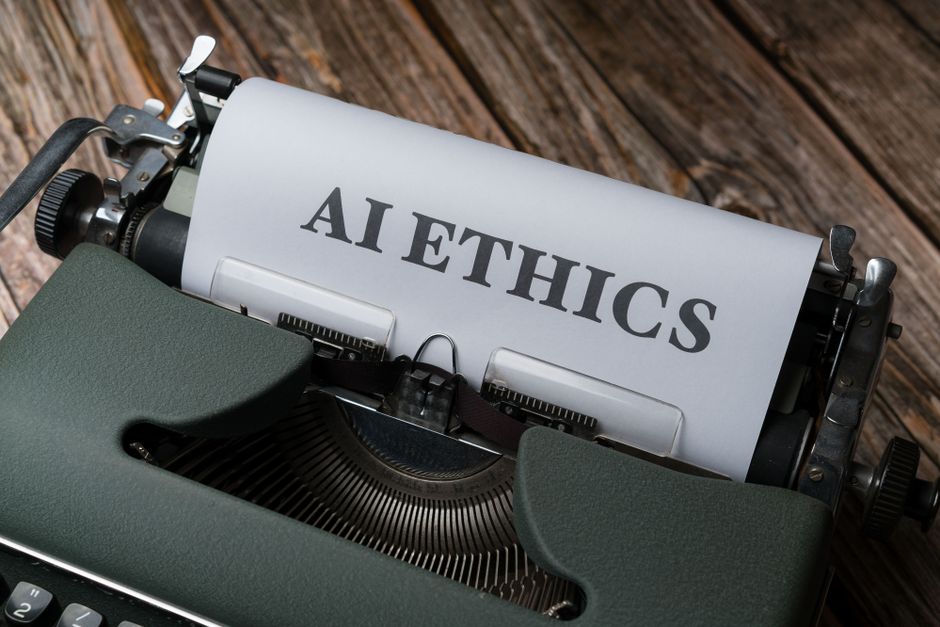
However, the rise of AI-generated content also raises concerns about authenticity and originality. As algorithms become more sophisticated, it becomes increasingly difficult to distinguish between human-created and AI-generated content. This can erode trust in media and create opportunities for misinformation and propaganda. The media industry must embrace AI’s power while safeguarding against its potential pitfalls. This requires developing robust ethical guidelines and implementing safeguards to ensure that AI is used to enhance, rather than replace, human creativity.
Personalization and the Algorithmic Echo Chamber
AI is also transforming the way media is consumed. Recommendation algorithms analyze user data to personalize content recommendations, delivering content that is tailored to individual preferences and interests. This has led to increased engagement and satisfaction for consumers, as they are more likely to find content that they enjoy. However, personalization also has its downsides. By creating algorithmic echo chambers, it can limit exposure to diverse perspectives and reinforce existing biases. This can lead to increased polarization and a lack of understanding between different groups.
The Deloitte 2025 Digital Media Trends survey highlights this tension, noting that while consumers appreciate personalized experiences, they also value control over their data and privacy. Striking a balance between personalization and privacy is a key challenge for media companies. This requires being transparent about how data is collected and used, and giving users the ability to opt out of personalized recommendations. It also requires developing algorithms that are fair and unbiased, ensuring that all voices are heard and represented.
The Cloud as a Catalyst for Media Innovation
Cloud platforms provide the scalability, flexibility, and cost-effectiveness needed to manage vast amounts of data, power AI algorithms, and deliver content across multiple channels. By leveraging cloud technology, media companies can accelerate innovation, improve efficiency, and reach new audiences.
The Looming Threat of Digital Authoritarianism
While AI offers tremendous opportunities for media innovation, it also poses a significant threat to freedom of expression and access to information. Governments are increasingly using AI-powered tools to censor content, monitor citizens, and spread disinformation. This can have a chilling effect on journalism and activism, limiting the ability of citizens to hold their governments accountable.

The use of AI for censorship is particularly concerning. AI algorithms can be used to automatically identify and remove content that is deemed to be offensive or subversive. This can be done quickly and efficiently, making it difficult for activists and journalists to circumvent censorship. Furthermore, AI-powered surveillance tools can be used to track the online activity of citizens, identifying those who are critical of the government. This can lead to harassment, intimidation, and even arrest.
Combating Digital Authoritarianism: A Call for Transparency and Accountability
Addressing the threat of digital authoritarianism requires a multi-faceted approach. This includes promoting transparency and accountability in the development and deployment of AI technologies. It also requires strengthening legal protections for freedom of expression and privacy. Furthermore, it requires supporting independent journalism and activism, ensuring that citizens have access to reliable information and the ability to hold their governments accountable.
The Evolving Media Workforce: Adapting to the Age of AI
The integration of AI into the media industry is also having a profound impact on the workforce. As AI automates routine tasks, some jobs are being displaced. However, AI is also creating new opportunities for workers with specialized skills in areas such as data science, machine learning, and AI ethics.
New Roles and Skillsets
The demand for professionals who can develop, implement, and manage AI systems is growing rapidly. This includes data scientists who can analyze vast datasets to train AI models, machine learning engineers who can build and deploy these models, and AI ethicists who can ensure that AI systems are used responsibly and ethically. In addition, there is a growing need for media professionals who can work alongside AI systems, using their creativity and judgment to enhance the quality and impact of AI-generated content.
Reskilling and Upskilling Initiatives
To prepare the workforce for the age of AI, media organizations must invest in reskilling and upskilling initiatives. This includes providing training in data science, machine learning, and AI ethics. It also includes creating opportunities for workers to experiment with AI tools and technologies, allowing them to develop the skills and knowledge they need to succeed in the new media landscape.
The Future of Media: A Symbiotic Relationship Between Humans and AI
The future of media is likely to be characterized by a symbiotic relationship between humans and AI. AI will automate routine tasks, freeing up human workers to focus on more creative and strategic activities. At the same time, human creativity and judgment will be essential for ensuring that AI systems are used responsibly and ethically. By embracing this symbiotic relationship, the media industry can unlock new levels of efficiency, innovation, and impact.
If you want a practical next step, you can also check out Become an Ultimate Master of your life.










Leave A Comment