
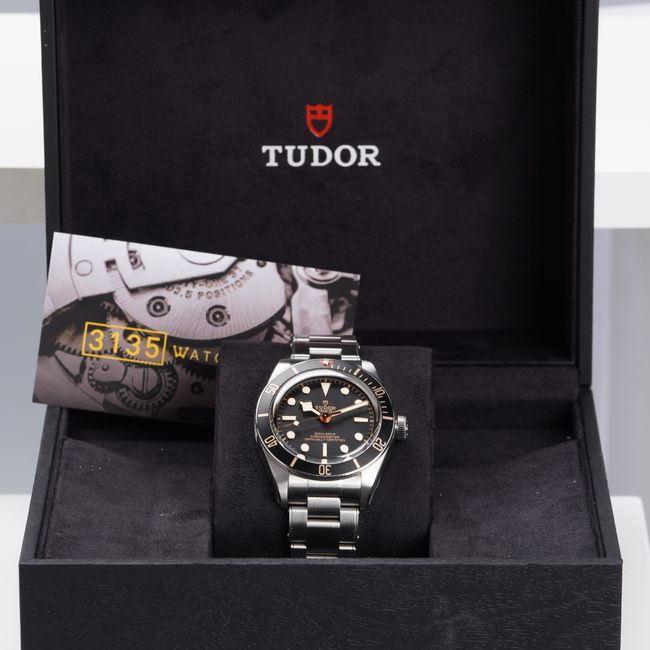
Tudor’s remarkable comeback is approaching a critical inflection point.
For more than ten years, Tudor has been celebrated for its spectacular revival. As the brand evolves, however, the successful blueprint that guided its journey is revealing its limitations. The very approach that fueled its growth could now hinder its forward momentum. This situation presents what can be called ‘the Tudor problem,’ and the choices made in the near future will shape the brand’s identity for years to come.
At a Glance: Tudor’s Strategic Outlook
- The Central Challenge: An overwhelming focus on the Black Bay line has led to a lack of diversity in its catalog, potentially limiting creativity and market reach.
- Forecast 1 (Portfolio Expansion): We anticipate the debut of a significant new collection outside the dive/sport category within 24 months to attract different customers. Probability: 75%.
- Forecast 2 (Technical Advancement): Tudor will likely develop an exclusive mechanical feature or an advanced material to better distinguish itself from Rolex and validate its pricing. Probability: 60%.
- Forecast 3 (Pricing Strategy): The brand is at a fork in the road with its pricing. It will either slow down price hikes to strengthen its value-oriented reputation or continue to move into a more premium market space. Probability: 50/50.
The Foundations of Tudor’s Modern Success
To predict Tudor’s next steps, we need to analyze the elements of its recent success. Since re-entering the American and British markets circa 2013, the brand’s triumphant return was masterfully built upon a four-pronged approach. This groundwork not only established its modern identity but also set the stage for its current challenges.
1. Heritage as a Headliner
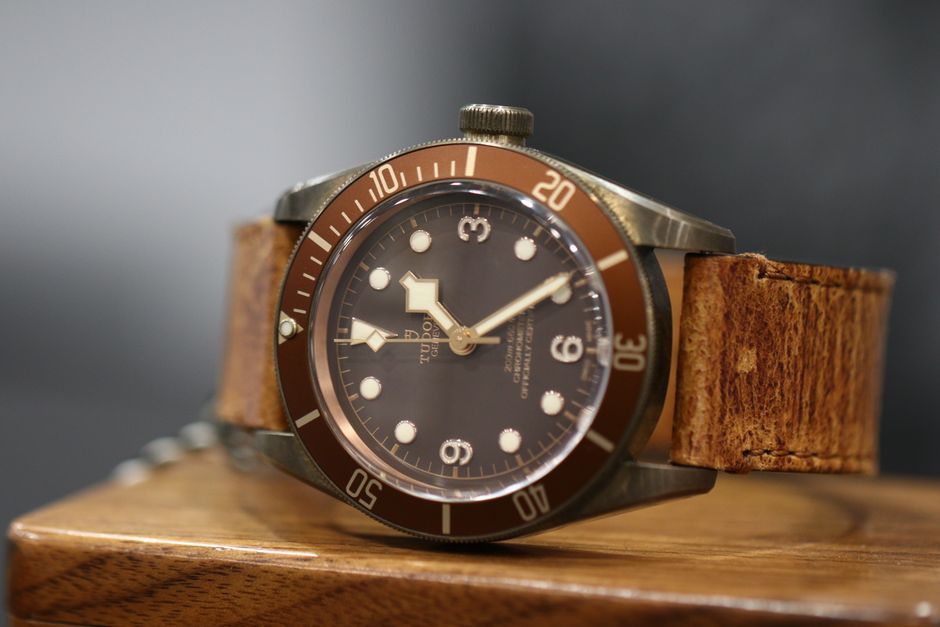
The launch of the Heritage Black Bay in 2012 was a masterstroke. By delving into its rich back catalog of 1950s and 60s dive watches, Tudor tapped into the burgeoning market for vintage-inspired timepieces. This strategy gave the brand instant authenticity and a powerful design language that resonated with both seasoned collectors and new enthusiasts.
2. The Value Proposition
Tudor was strategically positioned as the accessible entry point into the world of high-quality Swiss watchmaking, often seen as a gateway to its sibling brand, Rolex. Initially using reliable third-party ETA movements, Tudor offered exceptional build quality, robust design, and brand prestige at a price point that competitors struggled to match.
3. In-House Movement Manufacturing
The transition to in-house Kenissi movements marked a pivotal moment. It elevated Tudor from a brand using sourced parts to a legitimate ‘manufacture.’ This move provided technical credibility, improved performance with features like 70-hour power reserves, and gave the brand more control over its production and pricing, further justifying its move upmarket.
4. A Distinct and Modern Brand Image
Through clever marketing and high-profile ambassadors like David Beckham and Lady Gaga, Tudor cultivated an image that was younger, edgier, and more daring than Rolex. The ‘Born To Dare’ slogan captured this spirit perfectly, allowing Tudor to build its own distinct identity rather than living perpetually in Rolex’s shadow.
Taking the next step becomes straightforward when you have the right support — Become a Master of Digital Communication is worth exploring.
The Black Bay Conundrum: A Victim of Its Own Success?
The Black Bay line is Tudor’s undisputed champion, but its dominance has created a strategic vulnerability. The catalog is heavily skewed, with dozens of Black Bay variations overshadowing other excellent collections like the technically proficient Pelagos, the versatile Ranger, and the elegant 1926 and Royal lines. This over-reliance risks brand fatigue and pigeonholes Tudor as a maker of one specific type of retro-style sports watch, potentially alienating customers seeking different aesthetics or functionalities.

Forecast 1: Diversifying the Catalog
The most logical and necessary step for Tudor is to launch a new, compelling collection that stands apart from the Black Bay. This is not about replacing the cash cow but about building other strong pillars to support the brand’s future growth.
Potential Avenues for Expansion
- A Dedicated Dress Watch: A completely new, thoughtfully designed dress watch collection could capture a more formal segment of the market that is currently underserved by the brand.
- A High-Function Chronograph: While the Black Bay Chrono exists, a new line with a more modern design and perhaps a unique complication could rival competitors like the Longines Spirit or TAG Heuer Carrera.
- An Integrated Bracelet Sports Watch: This market category remains incredibly popular. A unique Tudor take, separate from the Royal line, could be a massive commercial success.
Forecast 2: Forging a New Technical Identity
To justify its steady price increases and further separate itself from competitors, Tudor needs to innovate beyond its current Kenissi movements. The brand must develop a signature technical feature that is uniquely its own.
The Rolex Shadow and the Need for Distinction
While sharing a parent company with Rolex has its benefits, it also means certain technologies are likely off-limits. Tudor’s challenge is to innovate within these constraints. This could involve pioneering new materials for cases and bracelets, developing a proprietary complication like an affordable annual calendar, or engineering a new type of escapement or regulating organ that offers a tangible performance benefit.
Forecast 3: The Pricing Tightrope
Tudor’s future identity will be heavily influenced by its pricing strategy over the next few years. The brand faces a clear choice between two divergent paths.
Path A: Reinforcing the Value Proposition
By consciously slowing price increases, Tudor can double down on the core tenet of its revival: exceptional value. This would solidify its position as the go-to choice for buyers seeking true luxury quality without the exorbitant price tag, strengthening its loyal customer base.
Path B: Ascending to a Premium Position
Alternatively, Tudor could continue its upward trajectory, using technical innovation and brand prestige to command higher prices. This strategy would place it in direct competition with brands like Omega and Breitling. While potentially more profitable, this path risks alienating the very enthusiasts who championed its comeback.
Conclusion: The Next Chapter for Tudor
Tudor has successfully navigated its revival phase, but a new era requires a new strategy. The brand’s leadership must now address the ‘Tudor problem’ head-on. By diversifying its product portfolio beyond the Black Bay, investing in unique technical innovations, and making a conscious decision on its market positioning, Tudor can ensure its next decade is even more successful than its last. The choices made now will define whether it becomes a truly versatile watchmaking powerhouse or remains the beloved ‘Black Bay Watch Company.’








Leave A Comment