

The Dawn of the Individualized Workplace: How AI is Leading the Charge
For years, Artificial Intelligence (AI) has been touted for its ability to streamline processes and automate tasks. However, its true potential lies in its capacity to personalize the employee experience, moving beyond generic solutions to create a workplace that caters to the unique needs and aspirations of each individual. This isn’t just about efficiency; it’s about fostering a sense of belonging, purpose, and growth.
From Cookie-Cutter to Custom-Fit: The Evolution of Employee Engagement
The days of one-size-fits-all employee management are numbered. Modern employees crave a work environment that recognizes their individual skills, career goals, and working styles. AI offers the tools to achieve this, analyzing vast amounts of data to identify patterns and preferences, enabling companies to deliver tailored solutions at every stage of the employee lifecycle. Imagine a scenario where an AI system recognizes an employee’s aptitude for leadership and proactively suggests relevant training programs and mentorship opportunities.
AI as a Personal Growth Catalyst
One of the most compelling applications of AI personalization is in learning and development. Forget generic training modules. AI can assess an employee’s skill gaps, career aspirations, and preferred learning methods to curate personalized learning paths. These paths might include specific online courses, relevant industry articles, engaging video tutorials, or even connections to experienced mentors within the organization. For example, if an AI system detects an employee’s interest in data analytics, it could recommend a series of online courses, connect them with a data science mentor, and even suggest relevant internal projects to gain practical experience.
The Ripple Effect: Benefits of Personalized Employee Experiences
The benefits of implementing AI personalization extend far beyond mere convenience. Companies that prioritize individualized experiences see a significant improvement in employee satisfaction, productivity, and retention. By creating a work environment that caters to individual needs, organizations can cultivate a more engaged, motivated, and loyal workforce.

- Elevated Engagement: Personalized experiences foster a sense of value and understanding, leading to deeper employee engagement. Think of it as moving from feeling like a cog in a machine to a valued member of a team.
- Enhanced Productivity: Tailored training and resources equip employees with the specific tools and knowledge they need to excel, resulting in increased productivity.
- Reduced Attrition: A positive and personalized work environment significantly reduces employee turnover, saving companies time and money on recruitment and training.
- Attracting Top-Tier Talent: Companies known for their personalized employee experiences become magnets for top talent, gaining a competitive edge in the talent market.
Real-World Examples: AI Personalization in Action
Several forward-thinking companies are already harnessing the power of AI to personalize the employee experience. Here are a few inspiring examples:
- AI-Powered Onboarding Assistants: Chatbots guide new hires through the complexities of onboarding, providing personalized answers and relevant information based on their specific role and department. Imagine a new marketing employee receiving tailored onboarding materials focused on the company’s brand guidelines and marketing strategies.
- Adaptive Performance Coaching: AI analyzes employee performance data to provide personalized feedback and coaching, helping individuals identify areas for improvement and achieve their professional goals. This could involve suggesting specific skill-building exercises or connecting employees with mentors who can provide guidance and support.
- Customized Benefits and Wellness Programs: AI analyzes employee demographics, health data (with consent), and preferences to create personalized benefits packages and wellness programs that cater to their individual needs. For example, an employee with young children might receive information about childcare benefits and parenting resources.
Navigating the Ethical Landscape: Challenges and Considerations
While the potential of AI personalization is undeniable, it’s crucial to address the ethical considerations and potential challenges. Data privacy, algorithmic bias, and the need for transparency are paramount.
Prioritizing Data Privacy and Security
Collecting and analyzing employee data requires strict adherence to data privacy regulations. Companies must be transparent about how they are using employee data and obtain informed consent from employees. Robust security measures are essential to protect sensitive employee information.
Combating Bias in AI Algorithms
AI algorithms can inadvertently perpetuate existing biases if they are trained on biased data. Regular audits of AI systems are essential to identify and mitigate potential biases, ensuring fairness and equity in the workplace.
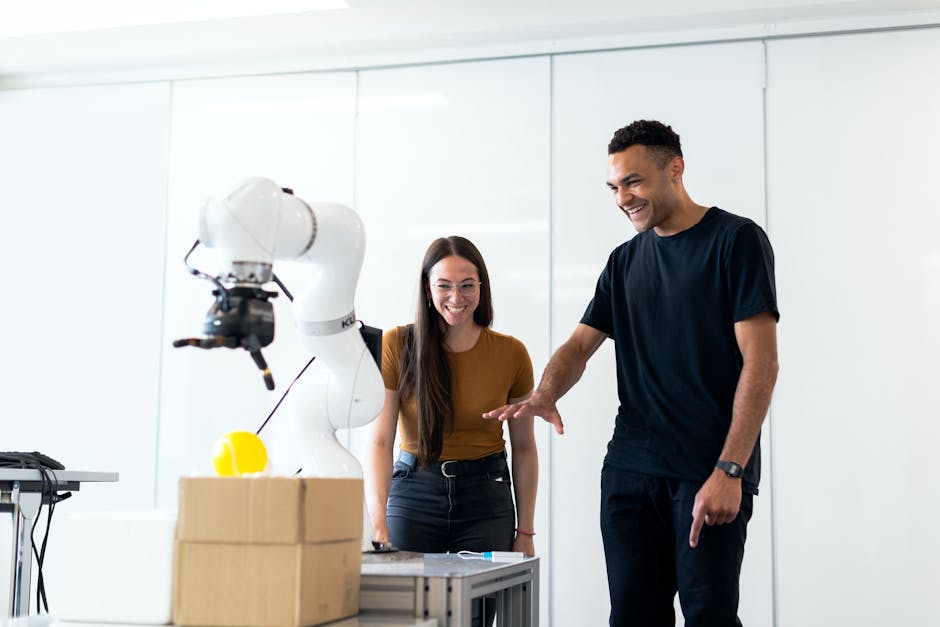
Looking Ahead: The Future of Work is Individualized
AI-powered personalization is set to revolutionize the employee experience, creating a future where work is more engaging, fulfilling, and aligned with individual aspirations. As AI technology continues to advance, we can expect to see even more innovative applications that cater to the unique needs and preferences of each employee. By embracing AI personalization responsibly and ethically, companies can unlock the full potential of their workforce and create a truly exceptional workplace for all.
If you want a practical next step, you can also check out Heal your past, design your future.
If you want a practical next step, you can also check out Become an Ultimate Master of your life.








Leave A Comment