

The Downside of Drastic Diets
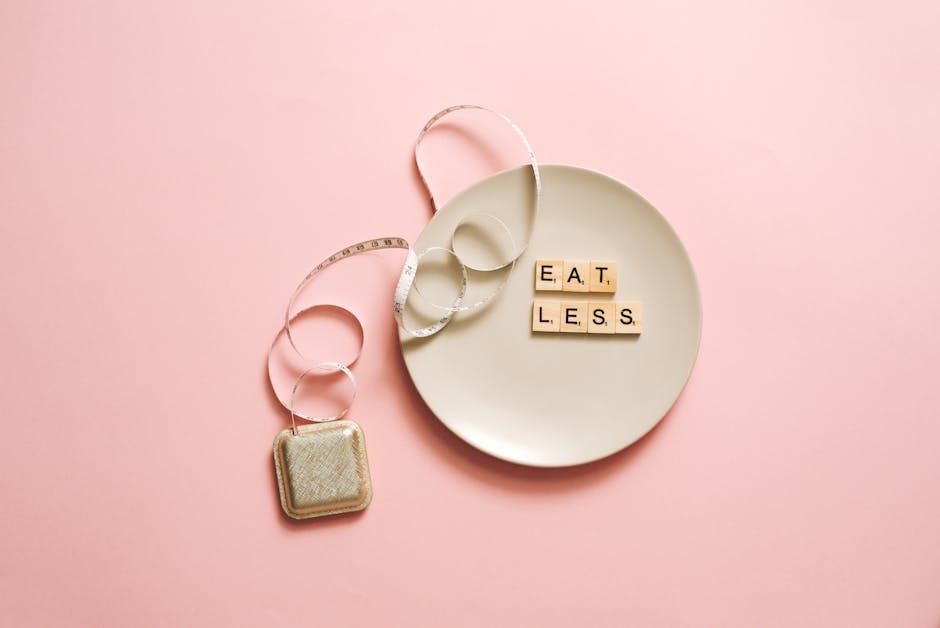
Locked in a calorie-counting cycle with diminishing returns? Weight loss stalled or, even worse, bouncing back? You’re not alone in this struggle. The simplistic idea that ‘less food equals lasting results’ often ignores the intricate dance of factors that truly shape a healthy life. Fad diets and extreme restrictions can throw your body’s natural systems off balance, leading to disappointment and potential health risks.
The Metabolic Impact of Restriction
When you drastically cut calories, your body often interprets this as a signal of famine. In response, it may slow down your metabolism to conserve energy. This can make it progressively harder to lose weight, even as you continue to restrict your intake. Furthermore, extreme diets can lead to nutrient deficiencies, impacting energy levels, mood, and overall health.
A Whole-Life Approach to Healthy Weight
Genuine well-being goes far beyond just what you eat. Your body thrives on consistency, equilibrium, and the cultivation of nourishing daily practices. Think of sleep quality, stress reduction techniques, and consistent physical activity as essential pillars of your overall health plan. These elements work in harmony to boost your metabolism, regulate your hormones, and support lasting weight management.
The Importance of Sleep and Stress Management
Lack of sleep and chronic stress can wreak havoc on your hormones, particularly cortisol, which can promote fat storage, especially around the abdomen. Prioritizing 7-9 hours of quality sleep per night and incorporating stress-reducing activities like meditation, yoga, or spending time in nature can significantly contribute to weight management and overall well-being.
The Role of Physical Activity
Regular physical activity is not just about burning calories; it’s about building muscle mass, improving cardiovascular health, and boosting your mood. Aim for a combination of cardiovascular exercises like running or swimming and strength training exercises like lifting weights or doing bodyweight exercises. Find activities you enjoy to make exercise a sustainable part of your lifestyle.
Building Sustainable Habits
Options Medical Weight Loss emphasizes tailored guidance, acknowledging the unique path of each individual. The secret lies in establishing sustainable routines that fit seamlessly into your existing lifestyle. It’s about building a solid foundation for long-term vitality, not chasing fleeting, superficial changes. In today’s hyper-connected world, sharing your wellness journey and inspiring others is more important than ever.
Small Changes, Big Impact
Focus on making small, incremental changes to your diet and lifestyle. Instead of drastically cutting calories, try swapping processed foods for whole, unprocessed foods. Instead of spending hours at the gym, try incorporating more movement into your daily routine, such as taking the stairs or walking during your lunch break. These small changes can add up to big results over time.

The Power of Mindful Eating
Pay attention to your body’s hunger and fullness cues. Eat slowly and savor each bite. Avoid distractions while eating, such as watching television or scrolling through your phone. Mindful eating can help you develop a healthier relationship with food and prevent overeating.
Sample Daily Plan
| Time | Activity | Details |
|---|---|---|
| 7:00 AM | Wake up & Hydrate | Drink a glass of water with lemon. |
| 7:30 AM | Breakfast | Oatmeal with berries and nuts. |
| 8:30 AM | Morning Walk | 30-minute brisk walk. |
| 12:30 PM | Lunch | Salad with grilled chicken or fish. |
| 3:00 PM | Afternoon Snack | Apple slices with almond butter. |
| 6:30 PM | Dinner | Baked salmon with roasted vegetables. |
| 8:00 PM | Relaxation | Read a book or meditate. |
| 9:30 PM | Prepare for Sleep | Dim the lights and avoid screens. |
| 10:00 PM | Sleep | Aim for 7-9 hours of sleep. |
If you want a practical next step, you can also check out Become a Master of Digital Communication.








Leave A Comment