
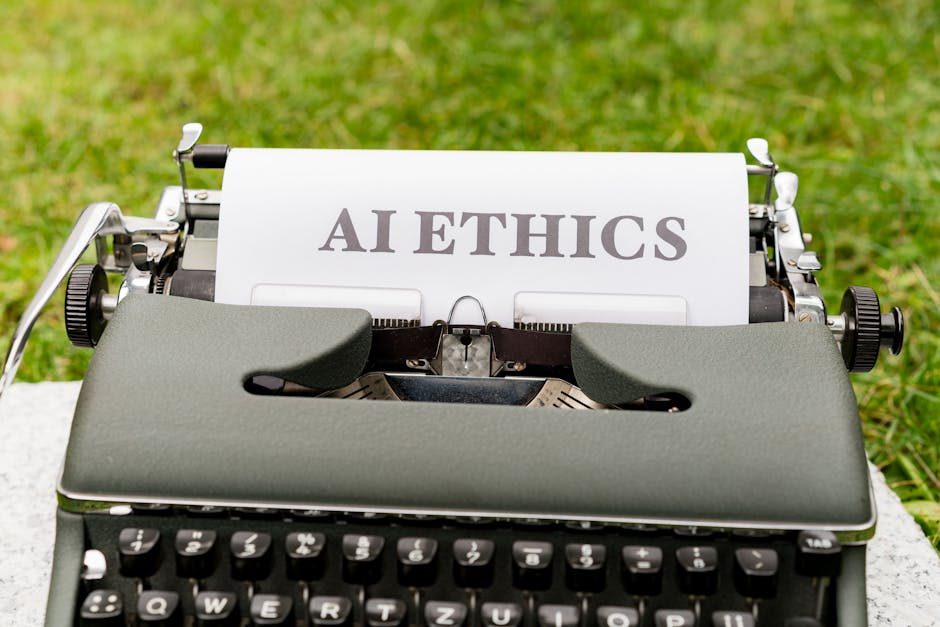
The Fight for Truth: Journalism’s New AI Ally
In today’s digital age, the sheer volume of information can be overwhelming. Separating fact from fiction has become a major challenge, and the spread of misinformation, particularly through social media, poses a significant threat to public understanding. Fortunately, artificial intelligence (AI) is emerging as a powerful tool to help journalists and the public navigate this complex landscape.
AI: The New Fact-Checker on the Block
AI systems are being developed to identify and flag potentially false or misleading content. These tools analyze text, images, and videos, looking for signs of manipulation or fabrication. Natural Language Processing (NLP) algorithms can assess the objectivity and tone of articles, while computer vision techniques can detect doctored images and deepfakes. Because AI can process massive amounts of data at high speed, it offers a major advantage in the fight against misinformation.
Imagine a newsroom where AI automatically scans every submitted article for factual inaccuracies, biased language, and manipulated visuals. This is the promise of AI-powered misinformation detection. These tools are designed to assist, not replace, human journalists, providing a critical first layer of analysis. Given the immense amount of content that journalists must review daily, AI can help them focus on the most important and potentially problematic items.

Real-World Examples of AI in Journalism
- Automated fact-checking: AI can compare claims in an article against verified databases, highlighting potential errors. For example, if an article claims a certain politician made a specific statement, AI can quickly check if that statement aligns with official records.
- Source evaluation: AI algorithms can analyze the historical accuracy and reputation of news sources to assess their trustworthiness. For instance, AI can track the number of retractions or corrections a particular news outlet has made.
- Detection of deepfakes: AI can identify subtle signs of manipulation in images and videos, such as unnatural blinking patterns or inconsistencies in lighting.
Important Considerations and Challenges
While AI offers powerful capabilities, it’s not a perfect solution. AI systems can be biased, reflecting the biases present in their training data. Therefore, responsible development and deployment of AI tools are crucial, emphasizing transparency and accountability. Furthermore, AI can be used to create highly convincing fake content, leading to an ongoing “arms race” between detection and creation. Collaboration between AI developers, journalists, and policymakers is essential to stay ahead of these challenges.
Deeper Dive: Specific AI Approaches
To fully understand how AI is being used, let’s examine some specific methods:
- Natural Language Processing (NLP): NLP helps computers understand and analyze language. It can detect bias, sentiment, and inconsistencies in text, useful for flagging potentially misleading articles. For example, NLP can analyze the use of emotionally charged words or the presence of logical fallacies within a news report.
- Computer Vision: This area of AI enables computers to “see” and interpret images and videos, crucial for identifying manipulated visuals and deepfakes. Algorithms analyze pixel patterns, lighting, and other visual cues to detect inconsistencies indicating manipulation. Imagine AI detecting subtle differences in skin texture in a video, suggesting a face has been digitally altered.
- Network Analysis: Misinformation often spreads through coordinated networks. Network analysis identifies these networks by analyzing sharing, commenting, and following patterns, helping to pinpoint disinformation sources and track its spread. Think of identifying clusters of accounts that consistently share the same fake news articles.
The Indispensable Role of Human Judgment
Despite AI’s capabilities, human oversight remains essential. AI systems are not infallible and can be tricked by sophisticated disinformation campaigns. Journalists and fact-checkers must use AI tools as aids, not replacements, for their critical thinking and judgment. Human expertise is needed to interpret AI results, investigate suspicious content, and make final judgments about information accuracy.
Ethical Considerations and the Future Landscape
The integration of AI into journalism raises important ethical questions. It’s vital to ensure AI systems are used fairly and transparently and don’t perpetuate existing biases. Protecting individual privacy and avoiding the use of AI to stifle free speech or censor legitimate viewpoints are also crucial considerations.

Building Confidence in AI-Assisted Journalism
To foster public trust in AI-driven journalism, transparency is key. This includes explaining how AI algorithms work, how they are trained, and how their decisions are reviewed. By promoting transparency and accountability, we can ensure AI strengthens journalism rather than undermining it.
Looking Forward
AI’s role in journalism is poised for significant growth. As AI technology evolves, we can anticipate more sophisticated tools for detecting and combating misinformation, including AI-powered systems that can identify coordinated disinformation campaigns and personalized misinformation targeting. By embracing AI responsibly, journalism can better serve its vital role in informing the public and safeguarding democracy.
If you want a practical next step, you can also check out Get the best book with practical guides on digital communication essentials.
If you want a practical next step, you can also check out Become an Ultimate Master of your life.








Leave A Comment