

The Unseen Engine of the AI Revolution
Behind the seamless interface of every AI chatbot and image generator lies a colossal and power-hungry physical infrastructure: the AI data center. These are not the traditional facilities that handle emails and cloud storage. They are high-performance computing hubs built for the singular purpose of running the massively parallel computations required to train and operate large-scale AI models. They represent a fundamental shift in computing architecture, demanding resources on an unprecedented scale.
Anatomy of a High-Performance AI Hub
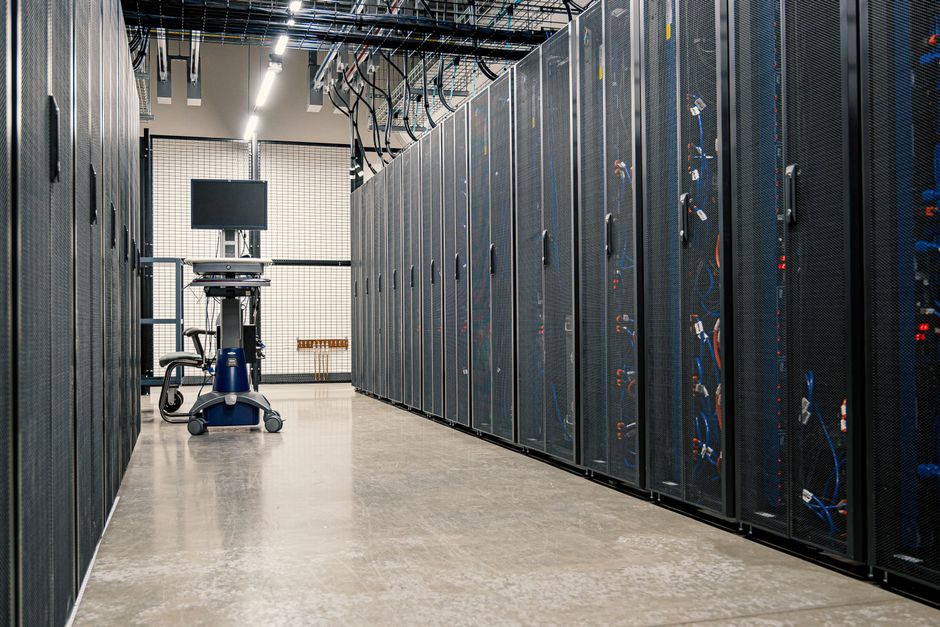
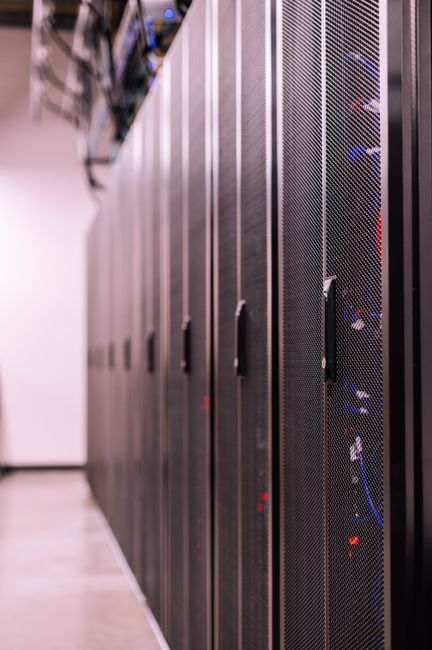
AI data centers are distinguished by their extreme density and specialized components, each contributing to their immense appetite for resources. The core differences include:
- High GPU Density: Thousands of specialized Graphics Processing Units (GPUs) are packed into racks to handle the parallel processing essential for AI workloads. A single AI server rack can draw over 100 kilowatts, a tenfold increase from a standard rack.
- Extreme Power Requirements: These facilities demand hundreds of megawatts of dedicated power, often requiring their own electrical substations. The International Energy Agency projects the AI industry’s electricity consumption could be ten times its 2023 level by 2026.
- Advanced Cooling Systems: The intense heat generated by densely packed GPUs necessitates sophisticated cooling solutions, primarily liquid cooling, which consume significant amounts of both energy and water to prevent overheating.
- High-Speed Networking: Blazing-fast internal networks are critical for interconnecting thousands of processors, allowing them to function as a single, cohesive computational unit.
The Colossal Resource Footprint
The explosive growth of AI has triggered an insatiable demand for electricity and water, creating new battlegrounds over finite local resources. What starts as a promising economic development project can quickly strain public utilities and spark fierce community debate.
An Insatiable Thirst for Power
Utility providers are sounding the alarm as they struggle to keep pace with the sudden, massive energy demands of new data centers. In some regions, these facilities account for the vast majority of projected growth in electricity consumption. This surge is straining local power grids designed for slow, predictable expansion, pitting the global ambitions of tech giants against the daily needs of residents and other industries. The conflict raises critical questions about who gets priority access to electricity and at what cost.
Taking the next step becomes straightforward when you have the right support — Become an Ultimate Master of your life is worth exploring.
The Hidden Cost of Cooling
Beyond electricity, water has become a major flashpoint. Many data centers rely on evaporative cooling towers that can consume millions of gallons of water daily. In arid regions like Arizona and West Texas, which are also popular for data center development due to land availability, this consumption creates a direct conflict with municipal and agricultural water needs. Communities are forced to weigh the economic benefits of a new facility against the long-term sustainability of their most precious resource.
The Global Land Rush for Digital Real Estate
The race to build AI infrastructure has ignited a modern-day gold rush for both land and power. Tech giants are investing billions to acquire vast tracts of land, not just for the buildings but to secure the energy and water rights that come with them. According to industry analysts, the capital being deployed for AI infrastructure in the next five years will likely dwarf the investment seen in the entire previous decade of cloud computing.
Anatomy of an Ideal Location
The search for the perfect data center site has become a strategic global chess match. While established hubs like Northern Virginia’s “Data Center Alley” remain popular, power constraints are pushing development into new territories across Ohio, Georgia, and Texas. The key criteria for an ideal location include:
- Access to abundant and affordable power.
- Proximity to major fiber-optic network backbones.
- Business-friendly regulations and tax incentives.
- Availability of a skilled workforce.
- A climate that can support efficient cooling.
Community Crossroads: Economic Boom vs. Local Burden
The arrival of a hyperscale data center promises jobs and a significant boost to the local tax base. However, these benefits are increasingly being weighed against the immense strain placed on public infrastructure and the environment. This tension is leading to significant public pushback and a re-evaluation of development policies.
The Rise of ‘Data Center Moratoriums’
In response to strained power grids and community opposition, some local governments have taken the drastic step of imposing moratoriums on new data center construction. These pauses are intended to give utilities and regulators time to assess the long-term impact and develop sustainable plans for growth. This pushback signals a new era of scrutiny, where the promise of tech investment is no longer accepted without question.
The Quest for Sustainable AI Infrastructure
The industry is acutely aware that its current growth trajectory is unsustainable without radical innovation. The pursuit of a green, efficient, and powerful AI data center has become a top priority, driving research and development across the sector.
Innovations in Energy Efficiency
Engineers are tackling the challenge from multiple angles. Advances in liquid cooling technology promise to reduce the energy and water needed to manage heat. Simultaneously, new chip architectures are being designed to deliver more computational power per watt. AI itself is also being used to optimize data center operations, intelligently managing workloads and cooling systems to minimize energy waste.
The Role of Renewable Energy
To address their massive carbon footprint, major tech companies are making significant investments in renewable energy. This includes signing large-scale power purchase agreements for wind and solar farms and even exploring the potential of small modular nuclear reactors to provide clean, reliable, and carbon-free power directly to their facilities. The ultimate goal is to power the AI revolution with energy sources that do not compromise the planet’s future.










Leave A Comment