
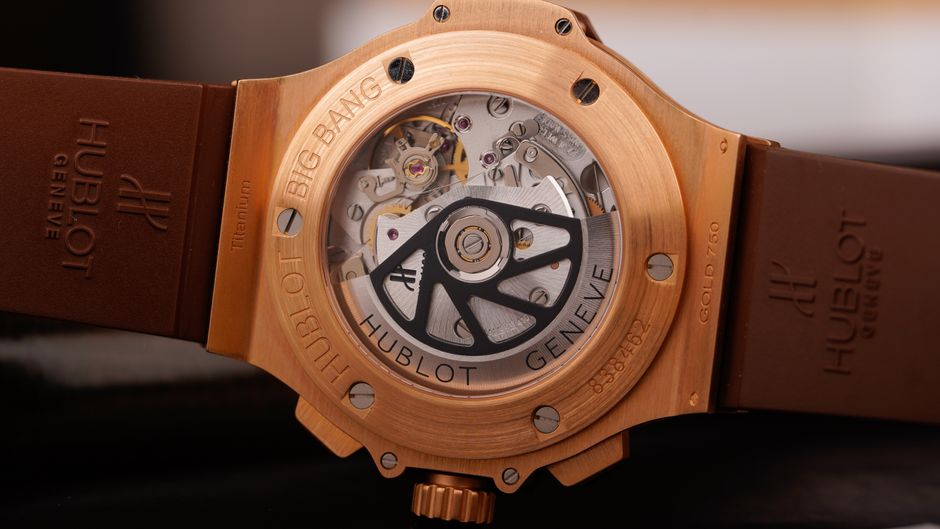
The Allure and Ambiguity of ‘In-House’
The term “in-house movement” has become the ultimate badge of honor in modern watchmaking. It promises exclusivity, superior craftsmanship, and a deeper connection to a brand’s heritage. But this celebrated feature often hides a significant downside that can impact your wallet and your patience for years to come. Before you pay a premium for that coveted caliber, it is crucial to understand the full picture, from marketing buzz to the practical realities of long-term ownership.
Key Takeaways for the Informed Collector
- The term ‘in-house’ has a fluid definition, ranging from truly unique calibers designed and built from scratch to heavily modified third-party designs.
- While prestigious, proprietary in-house movements create a service monopoly, often leading to extremely high costs and wait times of several months.
- New in-house movements, especially from mid-tier brands, may lack the proven, decades-long reliability of workhorse calibers from specialists like ETA or Sellita.
- Third-party movements are not a sign of inferiority; they offer proven reliability, easy serviceability by any competent watchmaker, and help keep watch prices accessible.
- The best value often lies with brands that heavily modify and regulate proven third-party movements, offering a blend of reliability and brand-specific performance.
Decoding ‘In-House’: More Than Just a Marketing Buzzword?
At its purest, an in-house movement is a caliber designed, manufactured, and assembled entirely by the watch brand itself. Think of Rolex, Patek Philippe, or Grand Seiko—companies with the immense resources for true vertical integration. However, this ideal is not the reality for most of the industry. For decades, using third-party “ébauches”—base movement kits supplied by specialists like ETA, Sellita, or Miyota—was the standard. The modern obsession with in-house production was largely triggered when ETA, part of the Swatch Group, announced it would drastically reduce the supply of its movements to competing brands, forcing them to invest in their own capabilities.
The Spectrum of Modern Manufacturing
Today, many so-called in-house movements exist in a grey area. They are often not built from the ground up but fall into one of several categories:
- Heavily Modified Ébauches: A brand takes a base Sellita SW200 or ETA 2892 and significantly reworks it, adding new components, complications, and a higher degree of finishing. Tudor’s early Black Bay models are a prime example of this successful strategy.
- Proprietary Clones: A brand designs a movement that is architecturally almost identical to a proven caliber like the ETA 2824. This leverages a reliable design while allowing the brand to claim manufacturing control.
- Group-Owned Movements: A movement is made by a specialist manufacturer owned by the same parent company as the watch brand. For example, Kenissi produces movements for Tudor, Norqain, and Breitling, offering an “in-group” but not strictly in-house solution.
The Practical Problem: Servicing and Long-Term Ownership
The single greatest drawback of an in-house movement for the average consumer is servicing. With a standard ETA or Sellita movement, any competent independent watchmaker can perform a full service. Parts are readily available and relatively inexpensive. This creates a competitive and accessible market for maintenance.

The Service Monopoly
Proprietary in-house calibers create a closed ecosystem. The brand controls the entire supply chain for parts and often restricts training to its own service centers. This means you have no choice but to send your watch back to the manufacturer for any significant work. The consequences are stark:
- High Costs: A standard service for a time-only in-house watch can easily exceed $700, while an in-house chronograph service can push past $1,000.
- Long Wait Times: Instead of a few weeks at a local watchmaker, you can expect to be without your watch for 3 to 6 months, and sometimes longer.
- Lack of Options: As the watch ages and is discontinued, the manufacturer may eventually cease producing parts, rendering the watch unserviceable.
| Feature | Third-Party Movement (e.g., ETA 2824) | In-House Movement (e.g., Brand X Caliber) |
|---|---|---|
| Average Service Cost | $250 – $450 | $700 – $1,200+ |
| Average Turnaround Time | 2 – 6 Weeks | 3 – 6+ Months |
| Parts Availability | High (Independent Suppliers) | Low (Manufacturer Only) |
| Service Options | Any Competent Watchmaker | Manufacturer Service Center Only |
The Reliability Question: Is Newer Always Better?
There is an implicit assumption that an in-house movement is technically superior. While this is often true for high-horology brands with centuries of experience, it is a riskier proposition for newer or mid-tier brands. Developing a new movement from scratch is incredibly difficult and expensive. Early generations can suffer from “teething issues”—design flaws or weaknesses that are only discovered after years of real-world use.
The Value of a Proven Workhorse
Consider the legendary Valjoux 7750 chronograph movement, first produced in the 1970s. It is robust, reliable, and has been used by hundreds of brands. Its strengths and weaknesses are well-documented, and any watchmaker knows how to service it. A new, unproven in-house chronograph may offer a longer power reserve or a novel feature, but it lacks the 50-year track record that inspires true confidence. A proven third-party caliber is a known quantity, offering peace of mind that a brand-new, proprietary design cannot.
How to Make an Informed Decision
The choice between an in-house and a third-party movement is not about which is universally “better,” but which is better for you. It requires balancing the desire for exclusivity and technical novelty against the practical considerations of cost, reliability, and ease of maintenance.

Questions to Ask Before You Buy
Before committing to a watch with an in-house movement, consider the following:
- What is the long-term service cost, and am I comfortable with that expense every 5-7 years?
- How long has this specific in-house caliber been in production? Is it a first-generation design or a refined version?
- Does the brand have a reputation for reasonable service turnaround times and costs?
- Does the performance of the in-house movement (e.g., power reserve, accuracy) offer a tangible benefit over a top-grade third-party alternative?
- Am I buying the watch for the story and exclusivity, or for practical, everyday reliability?
Ultimately, a well-regulated and decorated movement from a trusted supplier like Sellita can offer outstanding performance and value. While the allure of an in-house caliber is powerful, a clear-eyed view of its long-term implications is the hallmark of a savvy collector.










Leave A Comment