
Decoding the Price Tag: What Separates Luxury from Affordable Watches?
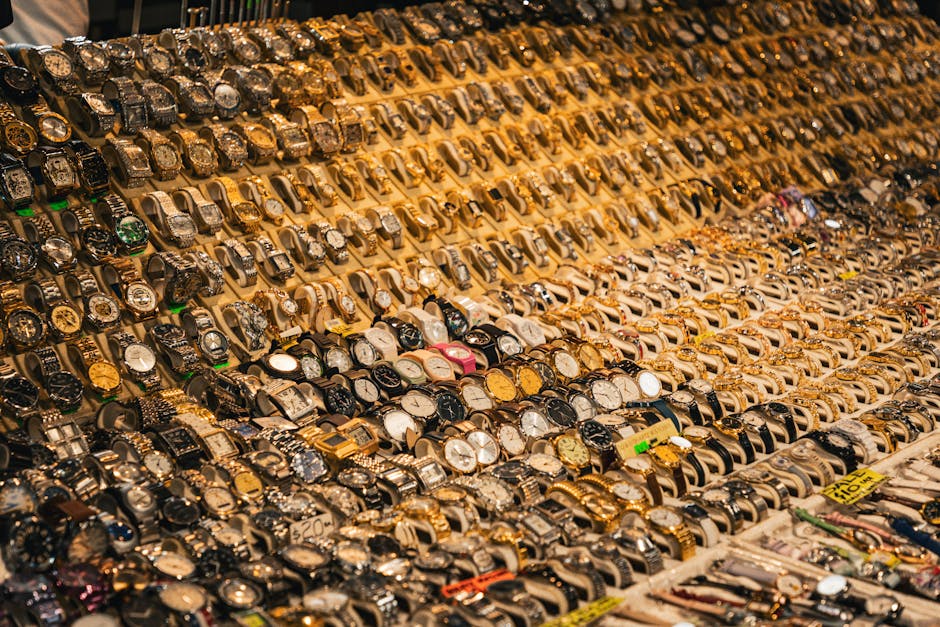
The world of watches is vast and varied, ranging from budget-friendly timekeepers to exquisite, meticulously crafted luxury pieces. To the untrained eye, some affordable watches might even appear strikingly similar to their high-end counterparts. This begs the question: is there a genuine quality gap that justifies the often-significant price difference? This article delves into the key distinctions, examining the materials, craftsmanship, reliability, and intangible factors that separate luxury watches from their more accessible counterparts.
The Quality Gap: A Deep Dive into Materials and Manufacturing
The foundation of any watch’s quality lies in the materials used in its construction. Luxury watches often employ superior materials that not only enhance their aesthetic appeal but also contribute to their longevity and performance.
Case Materials: Beyond Stainless Steel
While stainless steel is a common material in both affordable and luxury watches, the quality of the steel itself can vary. Luxury watches often utilize higher grades of stainless steel, such as 904L, which offers superior corrosion resistance and a brighter, more polished finish compared to the more commonly used 316L steel. Furthermore, luxury brands frequently incorporate precious metals like gold, platinum, and titanium, each offering unique properties and aesthetic qualities.
Crystal Clarity: Sapphire vs. Mineral
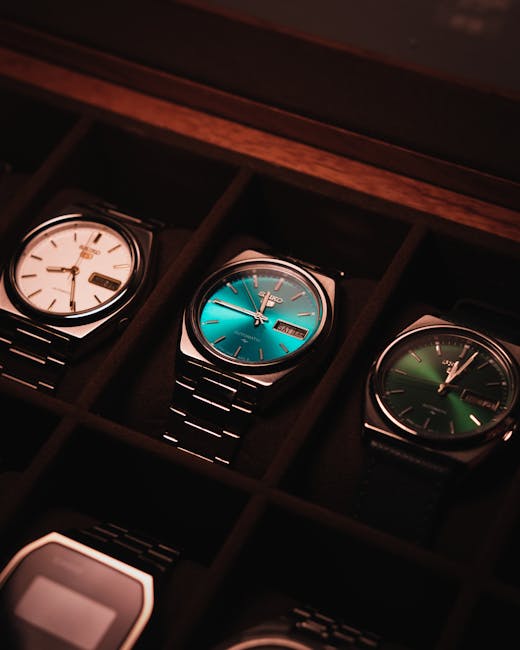
The crystal protecting the watch face is another critical component. Affordable watches typically use mineral crystal, which is more scratch-resistant than acrylic but less so than sapphire. Luxury watches almost universally feature sapphire crystal, renowned for its exceptional scratch resistance and clarity. Sapphire crystal ensures that the watch face remains pristine for years to come, maintaining its readability and aesthetic appeal.
Dial Details: Precision and Refinement
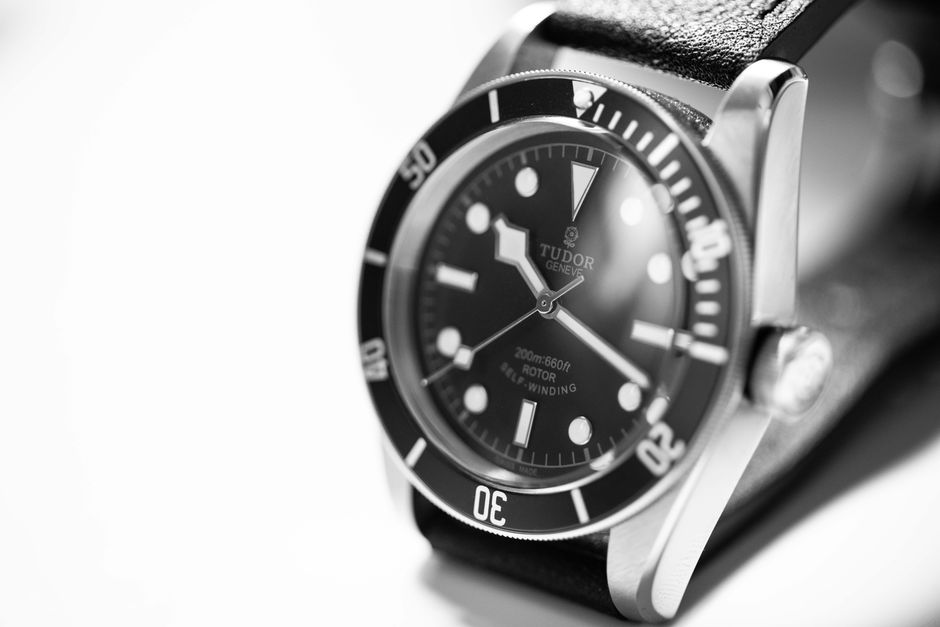
The dial is the face of the watch, and luxury brands invest significant resources in creating dials with intricate details and impeccable finishes. Hand-applied indices, meticulously crafted hands, and multi-layered dials with complex textures are common features. Affordable watches, on the other hand, often utilize simpler manufacturing processes and printed dials, which may lack the depth and refinement of their luxury counterparts.
Movement Matters: The Heart of the Watch
The movement is the engine that powers the watch, and it is arguably the most significant differentiator between luxury and affordable timepieces. Luxury watches often feature in-house movements, designed, manufactured, and assembled by the brand itself. These movements are typically hand-finished, meticulously decorated, and engineered to the highest standards of precision and reliability. Affordable watches, in contrast, usually rely on mass-produced movements from third-party manufacturers like Seiko (SII), Miyota (Citizen) or ETA. While these movements can be reliable, they lack the exclusivity, craftsmanship, and level of finishing found in luxury in-house movements.
The Reliability Gap: Longevity and Serviceability
Beyond the initial quality of materials and construction, the reliability of a watch is crucial for its long-term value and enjoyment. Luxury watches are generally built to last for generations, with robust movements and durable components designed to withstand the rigors of daily wear.
Movement Construction and Regulation
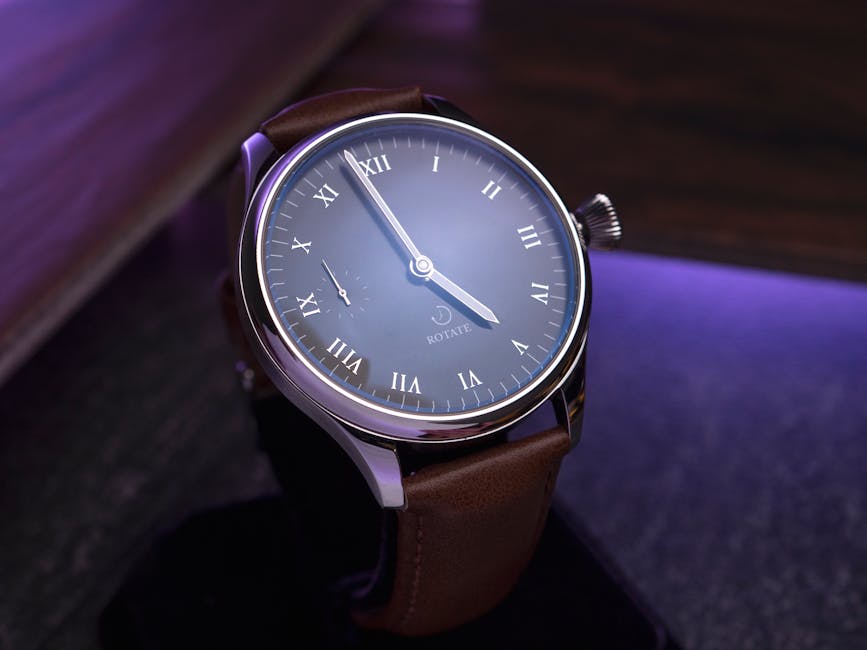
Luxury watch movements are often assembled with greater care and precision, with each component carefully inspected and adjusted to ensure optimal performance. They are also frequently regulated to achieve higher levels of accuracy, minimizing deviations in timekeeping. Affordable watches may have less stringent quality control processes, potentially leading to greater variations in accuracy and reliability.
Serviceability and Parts Availability
Luxury watch brands typically maintain dedicated service centers and offer comprehensive repair services for their timepieces. They also ensure the availability of spare parts for many years, allowing owners to keep their watches running smoothly for decades. Affordable watches may have limited service options, and replacement parts may be difficult or impossible to obtain, potentially shortening their lifespan.
Water Resistance: Beyond the Surface
Water resistance is an important feature for many watch owners. Luxury watches often undergo rigorous testing to ensure their water resistance meets or exceeds industry standards. They may also feature more robust case constructions and sealing systems to prevent water from entering the watch. While affordable watches may also claim water resistance, their actual performance in real-world conditions can vary significantly.
The Price Gap: Justifying the Cost
The price difference between luxury and affordable watches is not solely based on materials and manufacturing. Several other factors contribute to the overall cost, including brand prestige, research and development, marketing, and distribution.
Brand Heritage and Prestige
Luxury watch brands often have a long and storied history, with a reputation for innovation, craftsmanship, and design excellence. This brand heritage and prestige adds value to their timepieces, as owners are not just buying a time-telling device but also a piece of history and a symbol of status.
Research and Development
Luxury watch brands invest heavily in research and development to create new technologies, improve movement accuracy, and develop innovative materials. This investment contributes to the higher price point of their watches but also ensures that they remain at the forefront of horological innovation.
Marketing and Distribution
Marketing and distribution costs also play a significant role in the price of luxury watches. Luxury brands often employ sophisticated marketing campaigns to build brand awareness and create a sense of exclusivity. They also distribute their watches through a network of authorized retailers, which further adds to the cost.
Conclusion: Making an Informed Decision
Ultimately, the decision of whether to invest in a luxury watch or opt for a more affordable option is a personal one. By understanding the key differences in materials, craftsmanship, reliability, and other factors, you can make an informed decision that aligns with your budget, lifestyle, and preferences. Whether you value the prestige and craftsmanship of a luxury timepiece or simply need a reliable and functional watch, there is a perfect watch out there for you.




Leave A Comment