

Journalism’s AI Revolution: A Double-Edged Sword
The year is 2026. Artificial intelligence is no longer a futuristic concept; it’s an integral part of newsrooms worldwide. AI algorithms are assisting journalists with everything from data analysis to content creation. But this technological leap raises crucial ethical questions. How do we ensure fairness, accuracy, and impartiality when algorithms are shaping the news we consume?
The Bias Blind Spot: An Example
Imagine an AI designed to identify newsworthy events. If its training data primarily consists of reports from wealthy urban areas, it might overlook important stories from rural communities or marginalized neighborhoods. This ‘blind spot’ can perpetuate inequalities and distort our understanding of the world. Another example could be AI trained on historical archives which contain biased language or portrayals of certain groups; the AI could inadvertently perpetuate these biases in its reporting.
The challenge lies in the potential for AI to amplify existing societal biases. These biases can creep into algorithms through biased training data or flawed design. The result? News that reinforces stereotypes, marginalizes certain groups, or presents a skewed view of reality. Addressing this requires a commitment to transparency and rigorous auditing of AI systems.

Championing Transparency and Responsibility
News organizations must adopt a proactive approach to ethical AI. This means clearly identifying AI-generated content, explaining the AI’s role in the news creation process, and establishing channels for addressing errors and biases.
Building Trust Through Explainable AI
The key to responsible AI journalism is ‘explainability.’ We need AI systems that can justify their decisions. Explainable AI (XAI) provides insights into the algorithm’s reasoning, allowing journalists and the public to understand how conclusions were reached. This transparency builds trust and enables meaningful scrutiny.
- Implement XAI tools to understand AI decision-making.
- Conduct regular audits of AI algorithms for bias.
- Clearly label AI-assisted news content.
Human Oversight: The Indispensable Element
AI should be a partner, not a replacement, for human journalists. The critical thinking, empathy, and ethical judgment of human reporters are essential for ensuring responsible and nuanced news coverage.
AI and Humans: A Powerful Partnership
The most successful news organizations will be those that leverage the strengths of both AI and human journalists. AI can handle repetitive tasks like data analysis and fact-checking, freeing up journalists to focus on investigative reporting, in-depth analysis, and community engagement. Consider AI assisting in researching complex financial documents, then a journalist crafting the narrative to explain the findings to the public.
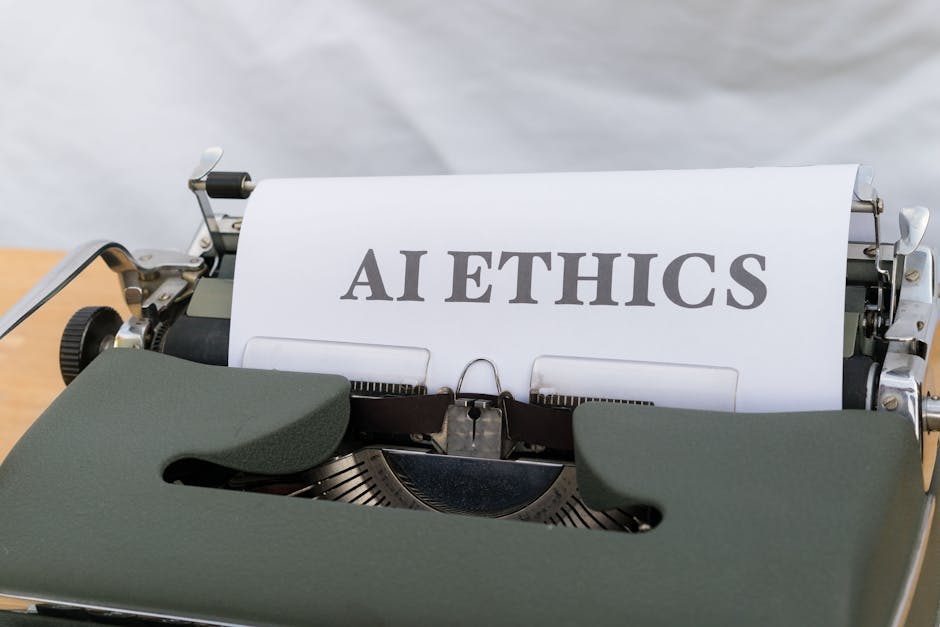
The Future of Ethical News
The future of journalism depends on our ability to harness the power of AI responsibly. By embracing transparency, accountability, and human oversight, we can ensure that AI serves as a force for good, promoting a more informed and engaged citizenry.
Looking Ahead: Key Priorities
As AI continues to evolve, it’s crucial to focus on these key priorities:
- Develop clear ethical guidelines for AI in journalism.
- Invest in training programs for journalists on AI technologies and ethics.
- Educate the public about the role of AI in news and its potential impact.
By taking these steps, we can ensure that AI empowers journalism to serve the public interest, fostering a more informed and democratic society.
If you want a practical next step, you can also check out Get the best book with practical guides on digital communication essentials.
If you want a practical next step, you can also check out Become an Ultimate Master of your life.








Leave A Comment