
Beyond Human: The Blurring Lines of Creation
We’re entering an era where the digital world is increasingly populated by content not crafted by human hands, but by artificial intelligence. This AI-generated material spans everything from personalized marketing emails to surprisingly convincing works of art. While offering exciting new possibilities, this shift raises critical questions: Can we still trust what we see and hear? How do we navigate a landscape where the source of information is often opaque?
Consider, for example, the rise of AI-generated music. While some artists are embracing AI as a collaborative tool, creating unique soundscapes previously unimaginable, others worry about the potential for AI to replicate existing styles and flood the market with derivative works. This example highlights the core dilemma: AI offers incredible creative potential, but its unchecked proliferation could undermine the very foundations of artistic expression and trust.
Addressing this challenge requires a multi-pronged approach. We need to develop robust methods for identifying AI-generated content, promote ethical guidelines for its creation and use, and, perhaps most importantly, cultivate critical thinking skills in consumers so they can better evaluate the information they encounter.
The Stakes: Why Authenticity is the New Gold Standard
The concern surrounding AI-generated content isn’t simply about technological novelty; it stems from very real potential dangers.
The Misinformation Multiplier
Imagine a scenario where AI is used to generate hyper-realistic deepfakes of political figures making inflammatory statements. These videos, spread rapidly through social media, could incite unrest or even influence election outcomes. The ability of AI to create convincing falsehoods on a massive scale represents a significant threat to social stability and democratic processes. This is far beyond traditional ‘fake news’; it’s synthetic reality designed to deceive.
The Trust Deficit
As AI-generated content becomes more prevalent, the average person may become increasingly skeptical of everything they encounter online. This erosion of trust can have far-reaching consequences, making it difficult to engage in meaningful dialogue, build consensus, or even agree on basic facts. A society where nothing is believable is a society ripe for manipulation.
The Creative Crisis
The influx of AI-generated content could devalue the work of human creators. If businesses can use AI to generate blog posts, marketing materials, or even artwork at a fraction of the cost of hiring human professionals, it could lead to job losses and a decline in the quality and originality of creative output. Protecting the value of human creativity is essential for maintaining a vibrant and innovative society.
Tools for Truth: Identifying the Algorithmic Hand
Researchers are actively developing methods to detect AI-generated content. These approaches often focus on identifying subtle patterns and anomalies that are characteristic of AI-generated text, images, or audio.

- Digital Fingerprinting: Implementing unique, imperceptible signatures within AI-created media to confirm its origin. Think of it like a digital birth certificate.
- Linguistic Analysis: Scrutinizing word choice, sentence structure, and overall writing style to identify patterns typical of AI language models (e.g., overuse of certain phrases, unusual sentence constructions).
- AI vs. AI: Training specialized AI models to differentiate between human-created and AI-created content, essentially using AI to fight AI.
Ethics and the Future: A Collaborative Approach
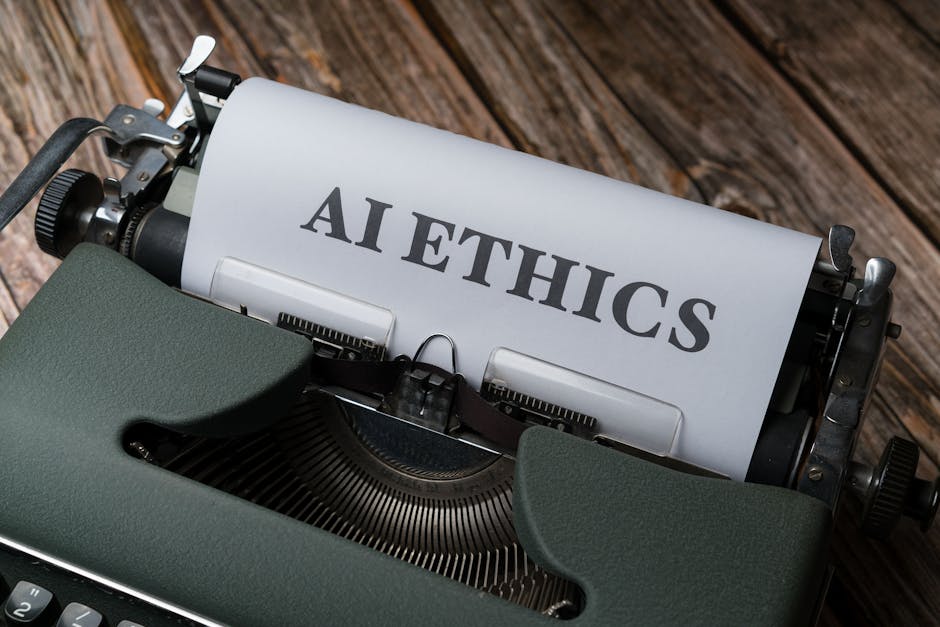
The development and deployment of AI detection tools raise important ethical questions. How do we ensure that these tools are used fairly and do not unfairly target or censor legitimate content? How do we balance the need for transparency with the protection of intellectual property?
Looking ahead, we need a collaborative effort involving technologists, policymakers, educators, and the public to navigate the challenges of AI content authenticity. This includes establishing clear ethical guidelines for the development and use of AI, promoting media literacy education to empower consumers to critically evaluate information, and fostering a culture of transparency and accountability among AI developers and content creators.
Ultimately, the goal is to harness the power of AI for good while mitigating its potential risks. By working together, we can create a digital world where trust and authenticity are valued and protected.
If you want a practical next step, you can also check out Heal your past, design your future.
If you want a practical next step, you can also check out Become an Ultimate Master of your life.


Leave A Comment