

The AI-Powered Media Revolution: A New Era of Storytelling
The media industry, traditionally driven by human creativity, is undergoing a significant transformation. Artificial intelligence (AI) and emerging technologies are reshaping content creation, distribution, and consumption, leading to personalized experiences, efficient workflows, and interactive storytelling.
AI’s Role in Content Creation and Enhancement
From Idea to Execution: AI as a Creative Partner
AI is evolving into a creative partner, aiding in script generation, music composition, and visual production. It helps overcome creative blocks, creates special effects affordably, and tailors content to audience preferences. For instance, AI-powered transcription and captioning services, like those offered by Verbit.ai, enhance media accessibility and searchability.
AI empowers creators to focus on core narratives by handling repetitive tasks and providing data-driven insights, resulting in more innovative and engaging content.

AI-Driven Personalization: Tailoring Content to the Audience
AI’s ability to analyze audience data enables media companies to deliver personalized content recommendations. This targeted approach ensures viewers receive content that aligns with their interests, increasing engagement and satisfaction. AI algorithms can track viewing habits, preferences, and demographics to create customized experiences for each user.
The Power of the Cloud in Media Distribution
Scalability and Efficiency: Cloud-Based Infrastructure
The cloud serves as the backbone of modern media distribution, providing scalable infrastructure, efficient content delivery, and robust data analytics. Cloud platforms enable seamless streaming, personalized recommendations, and targeted advertising. Google’s Anil Jain emphasizes the cloud’s role in helping media companies adapt to the “new norm.”
Global Reach: Expanding Audience Access
Cloud services allow media organizations to manage content libraries, optimize workflows, and reach global audiences quickly. This expanded reach opens new markets and revenue streams, allowing media companies to connect with viewers worldwide.
Immersive Experiences: VR, AR, and the Metaverse
Stepping Inside the Story: Immersive Storytelling
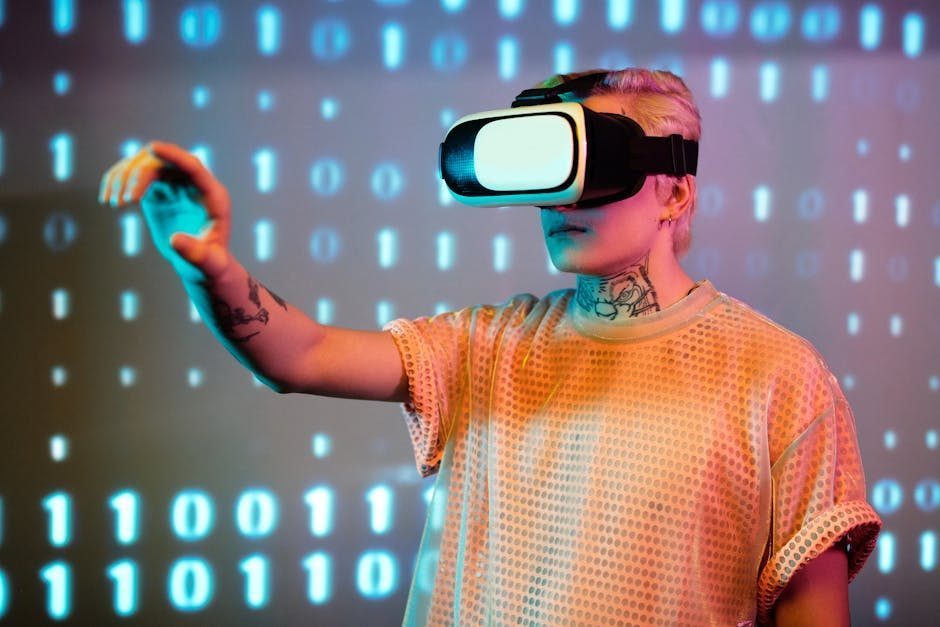
Virtual reality (VR), augmented reality (AR), and the metaverse offer immersive storytelling platforms. Viewers can interact with narratives and characters personally. Imagine exploring ancient ruins in VR or interacting with TV show characters in AR. These technologies blur the lines between entertainment and reality.
New Avenues for Engagement: Interactivity and Immersion
Immersive experiences create new avenues for audience engagement and brand storytelling. By allowing viewers to actively participate in the narrative, these technologies foster a deeper connection and more memorable experience.
Data Analytics: Understanding Audience Behavior
Data-Driven Insights: The New Media Currency
Data is crucial in the media industry. Analytics tools offer insights into audience behavior and consumption patterns. Media companies personalize content, target advertising, and optimize programming using this data. Deloitte’s 2025 Digital Media Trends report highlights data analytics’ growing importance.
Personalization and Optimization: Enhancing the Viewing Experience
By analyzing data from various sources, media companies can personalize content recommendations, target advertising with precision, and optimize programming schedules. This data-driven approach enhances the viewing experience and maximizes revenue opportunities.
Combating Misinformation: The Challenge of Deepfakes
Fighting Fakes: Maintaining Media Integrity
The rise of AI has led to the spread of deepfakes and misinformation. AI algorithms can create realistic fake videos and audio, making it difficult to distinguish fact from fiction. This poses a threat to media integrity and public trust.
AI-Powered Detection: Ensuring Authenticity
Media organizations are investing in AI tools to detect deepfakes and ensure content accuracy. Addressing this challenge is crucial for maintaining credibility and safeguarding the public from manipulation.
The Double-Edged Sword: Digital Authoritarianism and Censorship
Safeguarding Digital Rights: Protecting Freedom of Expression
Technology presents opportunities for censorship and control. As Freedom House reports, digital authoritarianism threatens freedom of expression. Governments use AI surveillance to monitor online activity and censor content.
Maintaining a Free and Open Internet: Empowering the Media Landscape
Robust safeguards are needed to protect digital rights and ensure technology empowers the media landscape. Maintaining a free and open internet is crucial for preserving journalistic integrity and holding power accountable.
Navigating the Future: Skills and Talent
Upskilling the Workforce: Preparing for the Future of Media
The technological revolution in media requires a workforce with skills in AI, data analytics, cloud computing, and immersive technologies. Media organizations are investing in training programs to upskill their workforce and adapt to the changing landscape.
If you want a practical next step, you can also check out Become an Ultimate Master of your life.









Leave A Comment