
The Rise of the Journalist-Engineer
Forget the old image of the reporter with a notepad and a hunch. A new professional is emerging from the halls of academia: the journalist-engineer. This is not merely a writer who knows how to use social media, but a hybrid expert fluent in data science, skilled in computational thinking, and grounded in a rigorous ethical framework. As generative AI and big data reshape the information landscape, universities are re-architecting their journalism programs to cultivate these essential architects of truth.
Beyond the Inverted Pyramid: Why the Old Curriculum Fell Short
For decades, journalism education centered on the craft of storytelling: mastering the lead, cultivating sources, and upholding a code of ethics. While these skills remain vital, they are no longer enough to navigate a world saturated with synthetic media and algorithmically curated feeds. The modern challenge isn’t just finding the story; it’s verifying its authenticity, interrogating the systems that deliver it, and extracting meaning from unprecedented volumes of data. This reality demands a fundamental reboot of how we train the next generation of reporters.
The New Curriculum: A Fusion of Code, Critique, and Craft
Literacy in Logic and Algorithms
Today’s leading journalism programs are integrating computer science into their core requirements. Students are learning to do more than just operate software; they’re learning how it’s built. For instance, a class project might involve writing a Python script to scrape and analyze campaign finance records, automatically flagging anomalies that would take a human weeks to find. This technical literacy transforms the journalist from a passive user of technology into an active interrogator of digital systems.
Taking the next step becomes straightforward when you have the right support — Become an Ultimate Master of your life is worth exploring.
Taking the next step becomes straightforward when you have the right support — Get the best book with practical guides on digital communication essentials is worth exploring.
Ethics as an Engineering Problem
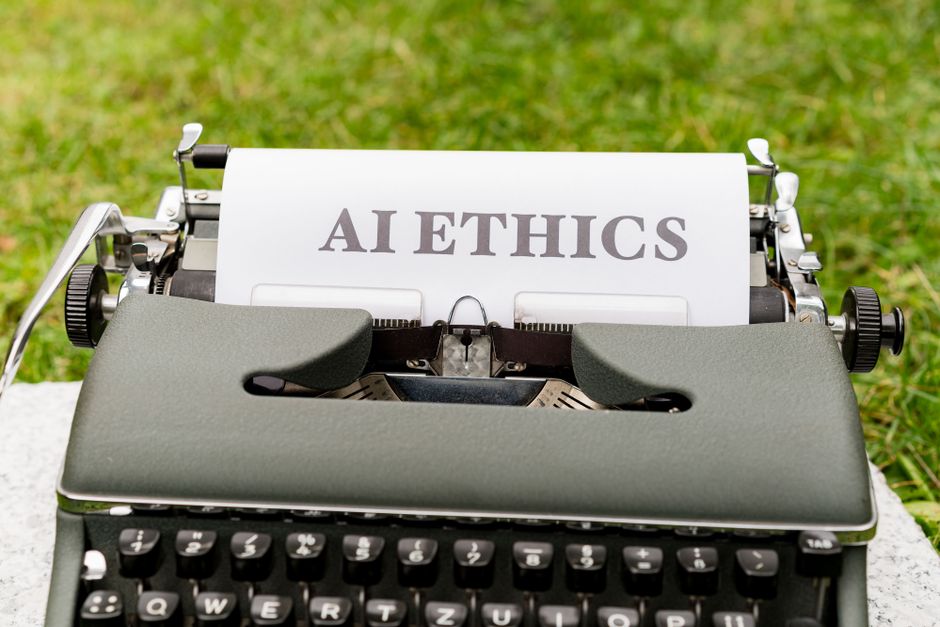
Ethical training is moving from abstract philosophical debates to applied problem-solving. The question is no longer just “Should we use AI?” but “How do we build AI tools that are transparent and fair?” Universities are pioneering frameworks that treat ethics as a design principle. This includes developing clear protocols for labeling AI-generated content to maintain audience trust and teaching students to audit algorithms for the hidden biases embedded in their training data, ensuring technology serves the public interest.
Incubators for Innovation: Where Theory Meets Practice
The most transformative work is happening in interdisciplinary labs that function as real-world newsroom incubators. Here, journalism students team up with engineers and ethicists to build and deploy solutions. A successful collaboration between a university lab and a local news partner resulted in a tool that automatically analyzes and visualizes environmental data from public sensors, enabling a small reporting team to cover climate change with the depth of a national outlet. These labs are the proving ground for the journalist-engineer, turning academic concepts into functional, impactful tools.
Augmenting Intellect, Not Replacing It
The ultimate goal of this new educational model is to empower, not replace, the human reporter. The journalist-engineer uses technology to automate the laborious parts of the job—transcribing interviews, monitoring satellite feeds, sifting through terabytes of documents—to free up their most valuable resource: critical thinking. The AI acts as a powerful research assistant, surfacing patterns and leads, but the final acts of contextualization, narrative framing, and moral judgment remain firmly in human hands. Technology handles the ‘what’; the journalist provides the ‘why’ and the ‘so what’.

Conclusion: Building a More Resilient News Ecosystem
By forging the journalist-engineer, universities are doing more than just keeping pace with technology. They are cultivating a new generation of professionals with the hybrid expertise needed to build a more trustworthy and resilient future for news. These graduates enter the workforce not just as storytellers, but as critical thinkers and system builders, equipped to hold power accountable in the digital age and ensure that journalism’s core mission endures.






Leave A Comment