

The Rise of the Synthetic: Are We Losing Ourselves in AI-Generated Content?
Artificial intelligence is transforming the content landscape, offering unprecedented speed and scale. But this rapid advancement raises a critical question: how do we preserve genuine human connection in a world increasingly populated by AI-generated material? The challenge goes beyond simply identifying AI-created content; it’s about safeguarding the very essence of what makes content meaningful – the human element of experience, emotion, and insight.
Imagine a world where every article, image, and video is flawlessly produced but utterly devoid of soul. The true danger isn’t just differentiating between human and machine; it’s understanding AI’s impact on originality, creativity, and public trust. Are we destined for a future of technically perfect but emotionally hollow content? This is especially concerning in fields like news reporting and academic research, where credibility is paramount.
One significant concern is AI’s potential to reinforce existing societal biases. AI algorithms learn from vast datasets, and if these datasets reflect existing prejudices, the AI will inevitably perpetuate them. This raises serious ethical questions about fairness, representation, and the responsibility of content creators to mitigate these risks. If you are trying to create something authentic, it may be time to reflect on your journey. For help with that, consider this: Heal your past, design your future. This course can help you uncover the authentic self that you want to project into the world, and that authenticity will show in your creative projects.
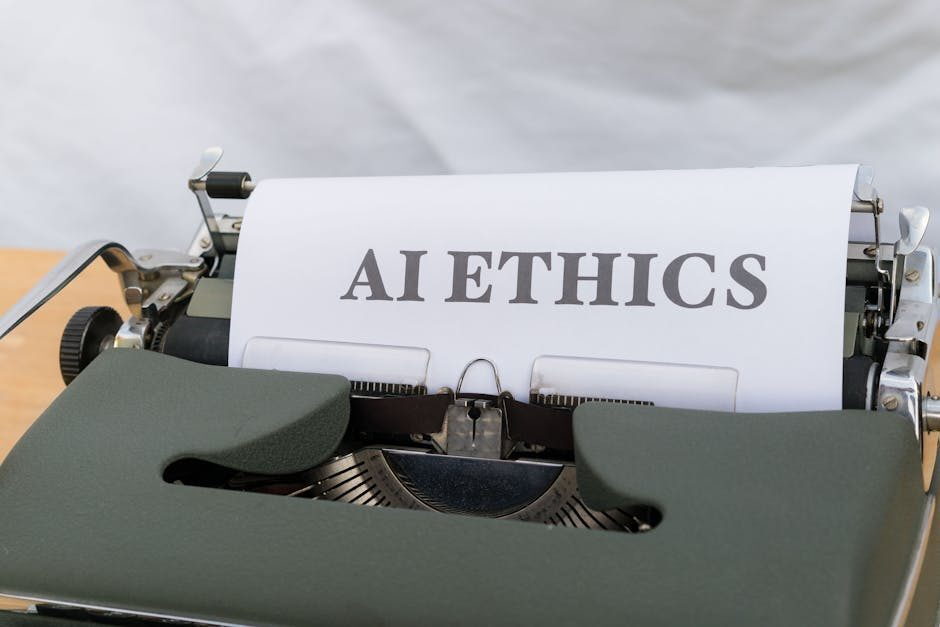
AI as Augmentation: Empowering Creativity, Not Replacing It
While AI excels at automating tasks and generating ideas, it lacks the depth of understanding and emotional intelligence that fuels truly impactful content. The human element – lived experiences, empathy, and critical reasoning – remains essential for creating content that resonates with audiences on a profound level. Think of AI as a powerful assistant, capable of handling repetitive tasks, but ultimately reliant on human guidance to shape a compelling and meaningful message. For example, AI can generate initial drafts of code, but a human programmer is still needed to debug, optimize, and tailor the code to specific needs.
Navigating the New Landscape: Best Practices for AI Integration
To leverage AI’s capabilities responsibly, we need a strategic and ethical approach. This includes:
- Radical Transparency: Clearly disclosing when AI has contributed to content creation. This empowers audiences to evaluate content with informed awareness. Imagine a news article clearly stating, “This article was partially generated using AI technology.”
- Human-Centered Review: Implementing rigorous human oversight to ensure accuracy, fairness, and ethical compliance. This is crucial for preventing the spread of misinformation and biased narratives. For example, a human editor should always review AI-generated news articles before publication.
- Championing Original Thought: Emphasizing content that offers unique perspectives and insights, rather than simply replicating existing information. This preserves the value of human creativity in an increasingly automated world.
The Imperative of Education and Awareness
Educating the public about AI’s capabilities and limitations is paramount. This includes fostering critical thinking skills, media literacy, and the ability to distinguish credible sources from unreliable ones. Educational institutions must also adapt their curricula to prepare students for a future where AI is a pervasive force.
The Future is Human: Embracing Authenticity as a Competitive Advantage
In a world saturated with AI-generated content, authenticity will become an increasingly prized commodity. Brands and creators who prioritize genuine connection, ethical practices, and human-centered storytelling will be the ones who succeed. The human touch is not a weakness, but a strength. Consumers are increasingly drawn to content that feels authentic and relatable, and they are more likely to trust brands that are transparent about their use of AI. Consider the example of a small, independent bookstore that thrives by offering personalized recommendations and fostering a sense of community – something an AI algorithm cannot replicate.
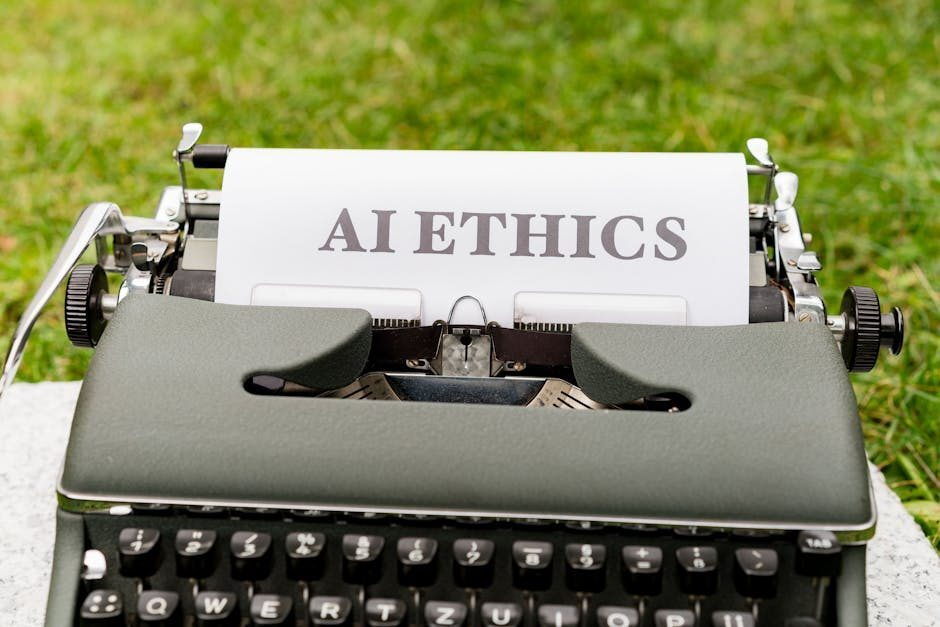
Ultimately, the future of content creation hinges on finding the optimal balance between AI and human input. By embracing AI as a tool, while upholding the core values of authenticity and human connection, we can cultivate a more meaningful and trustworthy information ecosystem.
If you want a practical next step, you can also check out Become an Ultimate Master of your life.








Leave A Comment