

From Information Overload to Investigative Insight
Modern journalism is drowning in data. From municipal records and financial disclosures to streams of social media posts, the sheer volume of information can obscure the very stories reporters are trying to tell. The challenge is no longer just finding information, but making sense of it at scale. Artificial intelligence is emerging as a critical partner in this endeavor, transforming the initial, often grueling, phase of investigative work. For instance, instead of a reporter manually combing through thousands of housing violation entries for weeks, an AI can analyze the entire dataset in minutes, revealing geographic hotspots and patterns of neglect. This doesn’t write the story; it provides the map, pointing the journalist to the exact neighborhoods and people whose voices are needed to bring the data to life.
The First Draft and the Final Word: A New Creative Process
The application of AI extends beyond data analysis into the realm of content creation, fundamentally altering the journalistic workflow. Consider the release of a complex, 500-page legislative bill. Previously, this would trigger a frantic scramble to read and digest the material against a tight deadline. Now, AI tools can provide an accurate summary of key sections, identify significant changes from previous versions, and extract direct quotes within seconds. This allows a journalist to bypass the initial mechanical reading and move directly to the crucial tasks of analysis, source outreach, and contextual storytelling. The AI generates the preliminary outline or the “first draft” of information, but the human reporter retains control over the narrative, the nuance, and the final, published word.
For those looking to take the next step, Become an Ultimate Master of your life is a resource worth exploring.

The Journalist as Algorithm Auditor
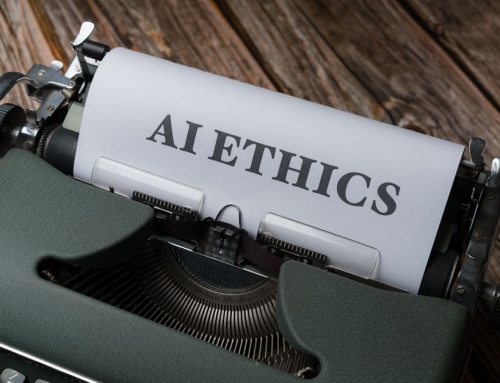
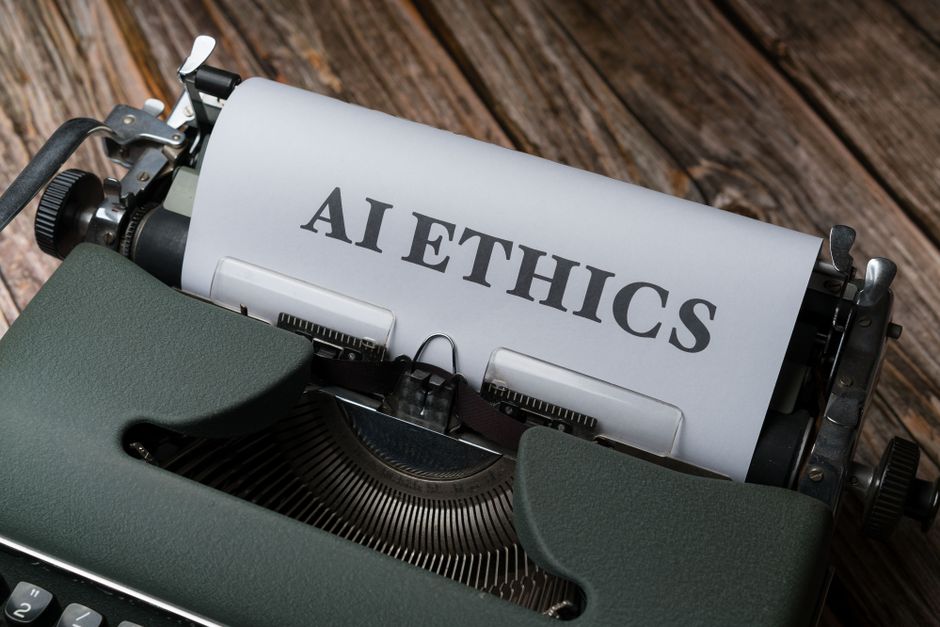
The integration of powerful technology into the newsroom brings with it a new and profound ethical responsibility. As news organizations adopt AI, the journalist’s role expands to include that of a critical overseer of the tools they use. This requires a new form of digital literacy focused on understanding the potential pitfalls of automated systems. Key questions must now be part of the editorial process: What data was this algorithm trained on? Could it perpetuate or even amplify existing societal biases? How do we remain transparent with our audience about which parts of our reporting were AI-assisted? The principle of human oversight remains paramount; AI is a powerful assistant for discovery and efficiency, but the final ethical judgment, the contextual understanding, and the accountability for the truth must always rest with a human journalist.
Conclusion: A Symbiotic Future for Storytelling
The narrative of AI in journalism is not one of replacement, but of symbiosis. By delegating the immense tasks of data processing, pattern recognition, and information summarization to machines, journalists are freed to concentrate on the uniquely human elements of their craft. This partnership allows reporters to pursue more ambitious investigations, verify information with greater accuracy, and ultimately, tell more compelling and impactful stories. Technology handles the scale, while journalists provide the skepticism, empathy, and narrative skill. This collaborative future promises not to diminish the role of the reporter, but to elevate it, enabling journalism to better serve its core mission in an increasingly complex world.
For a practical next step, consider Get the best book with practical guides on digital communication essentials.






Leave A Comment