
A Legislative Catalyst for Digital Disruption
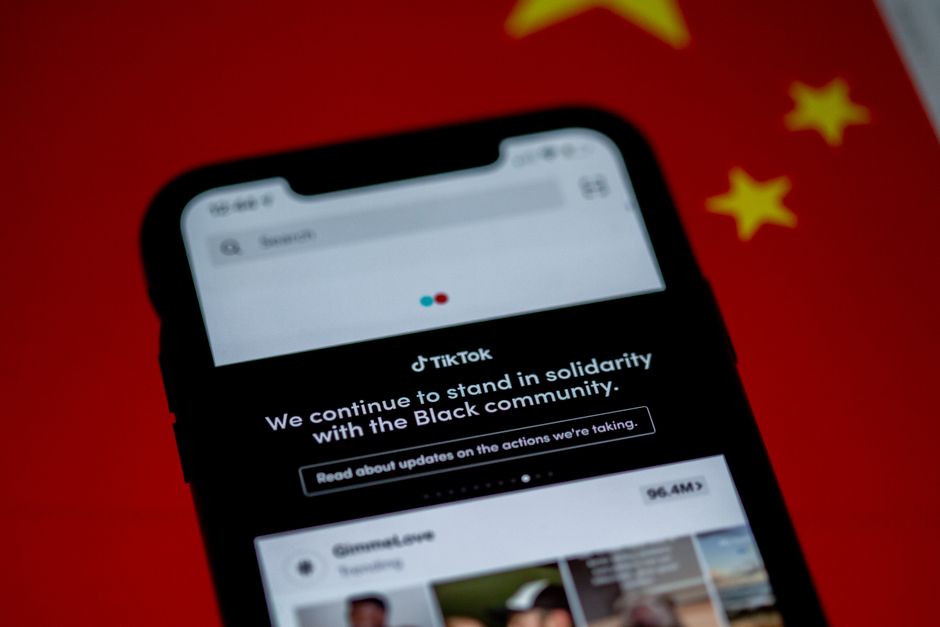
A landmark U.S. law, the Protecting Americans from Foreign Adversary Controlled Applications Act, has set off a complex chain reaction with profound implications for technology, commerce, and law. Rather than a simple ultimatum, the mandate for ByteDance to sell its U.S. TikTok operations has become a focal point for a series of cascading challenges. At stake is not just the fate of a single app used by 170 million Americans, but the very principles governing the global internet, digital entrepreneurship, and the balance between national security and individual liberty.
The Code Conundrum: Can TikTok’s Digital DNA Be Transplanted?
The core demand of the legislation—divestiture—presents a monumental, perhaps insurmountable, technical puzzle. TikTok’s value is not in its name, but in its powerful recommendation algorithm, a sophisticated piece of intellectual property deeply integrated with ByteDance’s global infrastructure.
An Engine That Can’t Be Separated
Experts argue that surgically removing the U.S. portion of the algorithm is akin to separating a vital organ from a living system. The code is not a standalone component but is constantly evolving and learning from a global data pool. Furthermore, the Chinese government has designated such recommendation algorithms as export-controlled technology, effectively giving it veto power over any sale that includes this crucial IP. This transforms a corporate transaction into a high-stakes geopolitical negotiation.
The Scarcity of Viable Suitors
Even if the technology could be isolated, the pool of potential buyers is extremely small. With a valuation in the tens of billions, only a handful of tech behemoths or investment groups could afford the acquisition. Such a purchase would immediately trigger intense antitrust reviews, as regulators are wary of allowing a major player like Microsoft or Oracle to absorb a significant competitor, potentially creating an even more concentrated market.
Taking the next step becomes straightforward when you have the right support — Become an Ultimate Master of your life is worth exploring.
Taking the next step becomes straightforward when you have the right support — Heal your past, design your future is worth exploring.
The Marketplace Disruption: A Forced Reckoning for a Generation of Entrepreneurs
Beyond the corporate boardroom, the law threatens to dismantle a vibrant economic ecosystem that has flourished on the platform. A ban would represent a sudden and severe shock to countless American small businesses and independent creators who have built their livelihoods on the app’s unique viral potential.
The End of an Organic Marketing Era
For many small enterprises, from artisan soap makers to independent bookstores leveraging #BookTok, TikTok offered an unprecedented marketing channel. Its algorithm allowed niche products to find a massive audience without the hefty advertising budgets required by platforms like Meta or Google. The removal of this tool would force a costly pivot and sever a direct connection to a key demographic, potentially crippling businesses that are too small to absorb the blow.
Vaporizing the Creator Economy
The legislation places a generation of digital professionals in jeopardy. For thousands of influencers, educators, and artists, TikTok is their primary workplace and revenue stream, facilitated through brand deals, the Creator Fund, and direct audience support. A ban would effectively erase their businesses overnight, disrupting a significant sector of the modern gig economy and leaving a void that other platforms may not be able to fill in the same way.
A Constitutional Test Case: Redefining Digital Rights for the 21st Century
In response to the act, TikTok and a group of its creators have launched legal challenges, positioning the dispute as a landmark battle over the future of free speech online. The lawsuits argue that the law sets a dangerous precedent for government control over digital platforms.
First Amendment vs. National Security
The plaintiffs contend that an outright ban on a communication platform used by a majority of young Americans is an unconstitutional infringement on free expression. They argue the government is choosing the most drastic measure possible—total prohibition—without proving that less restrictive alternatives, like data security agreements, are insufficient to mitigate the alleged national security risks. This legal fight will force courts to weigh abstract security concerns against the tangible speech rights of millions.
The ‘Bill of Attainder’ Accusation
A key legal argument is that the law functions as a modern-day “bill of attainder”—a legislative act that singles out a specific entity for punishment without a judicial trial. By naming ByteDance and TikTok directly, critics argue Congress overstepped its authority and engaged in punitive action, a practice explicitly forbidden by the U.S. Constitution. The outcome of this case will set a powerful precedent for how the government can regulate specific technology companies in the future.







Leave A Comment