
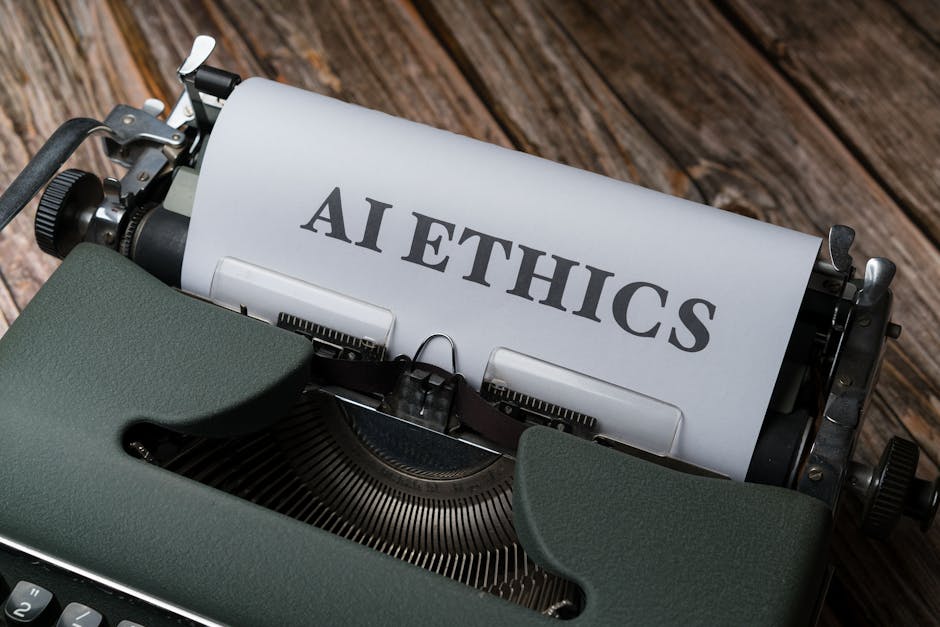
The Promise and Peril of AI-Driven Personalization
Imagine a world perfectly tailored to your needs and desires. That’s the tantalizing promise of AI-powered personalization. Forget generic recommendations; we’re talking about algorithms that analyze your digital footprint to predict your next craving, suggest the perfect book, or even anticipate health issues before they arise. This technology, driven by machine learning and vast datasets, promises unprecedented customer engagement and efficiency. However, this level of customization opens a Pandora’s Box of ethical dilemmas that demand careful consideration.
At its core, AI personalization aims to create a seamless, intuitive experience. By tracking everything from your online purchases and social media activity to your location and even your biometrics (in some cases), AI builds a comprehensive profile of you. This profile is then used to deliver hyper-targeted content, product suggestions, and even personalized pricing. Think of Spotify creating a daily playlist perfectly aligned with your mood, or Amazon suggesting products you didn’t even know you needed. But at what cost?
The potential benefits are undeniable. Consider personalized medicine, where treatment plans are tailored to your specific genetic makeup and lifestyle. Or imagine education platforms that adapt to your individual learning style, maximizing your potential. The technology is here, but are we prepared for the ethical ramifications of a world where algorithms know us better than we know ourselves?
Unveiling the Ethical Shadows: The Downsides of Hyper-Personalization
The increasing sophistication of AI-powered personalization brings several serious ethical concerns to the forefront:
- Erosion of Privacy: The insatiable appetite of AI algorithms for personal data raises significant privacy concerns. How do we safeguard sensitive information from breaches and misuse? What constitutes acceptable data collection?
- Perpetuation of Bias: AI algorithms are only as unbiased as the data they are trained on. If that data reflects existing societal prejudices, the algorithms will amplify those biases, leading to discriminatory outcomes in areas like loan applications, job recruitment, and even criminal justice. Imagine being denied a loan because an algorithm unfairly flags your neighborhood as high-risk.
- Subtle Manipulation: Personalization can be weaponized to subtly manipulate our choices. Algorithms can create filter bubbles, reinforcing existing beliefs and shielding us from dissenting viewpoints. They can also exploit our vulnerabilities, targeting us with predatory advertising or influencing our political opinions.
Charting a Course: Finding Ethical Ground
Addressing the ethical challenges of AI-powered personalization requires a proactive, multi-pronged approach:
- Transparency and Openness: AI algorithms should be transparent and explainable, allowing users to understand how their data is being used and how decisions are being made. This transparency builds trust and allows for accountability.
- Robust Data Security: Businesses must prioritize data security, implementing stringent measures to protect user data from unauthorized access, breaches, and misuse. This includes encryption, access controls, and regular security audits.
- Proactive Bias Mitigation: AI algorithms should be rigorously audited for bias, and steps should be taken to mitigate any biases that are identified. This requires diverse datasets, careful algorithm design, and ongoing monitoring.
| Ethical Challenge | Proposed Solution |
|---|---|
| Privacy Infringement | Employ anonymization and data minimization techniques. |
| Algorithmic Discrimination | Conduct regular fairness audits of algorithms. |
| Choice Manipulation | Empower users with granular control over personalization preferences. |
The Path Forward: Towards a Responsible AI-Personalized Future
The future of AI personalization depends on our ability to navigate these ethical complexities responsibly. This demands collaboration between developers, policymakers, and the public. We need clear guidelines and regulations that govern the ethical use of AI in personalization, ensuring fairness, transparency, and accountability. Furthermore, ongoing research and development are essential to create AI systems that are inherently ethical by design.
Empowering the Individual: Taking Back Control
A critical element of ethical AI personalization is empowering users to control their data and personalization settings. Individuals should have the ability to access, modify, and delete their data, as well as opt out of personalization entirely. This level of control allows users to actively shape their own experiences and protects them from unwanted manipulation or bias. It’s about giving individuals the agency to decide how their data is used and ensuring that AI serves humanity, rather than the other way around.
If you want a practical next step, you can also check out Heal your past, design your future.
If you want a practical next step, you can also check out Become an Ultimate Master of your life.








Leave A Comment