
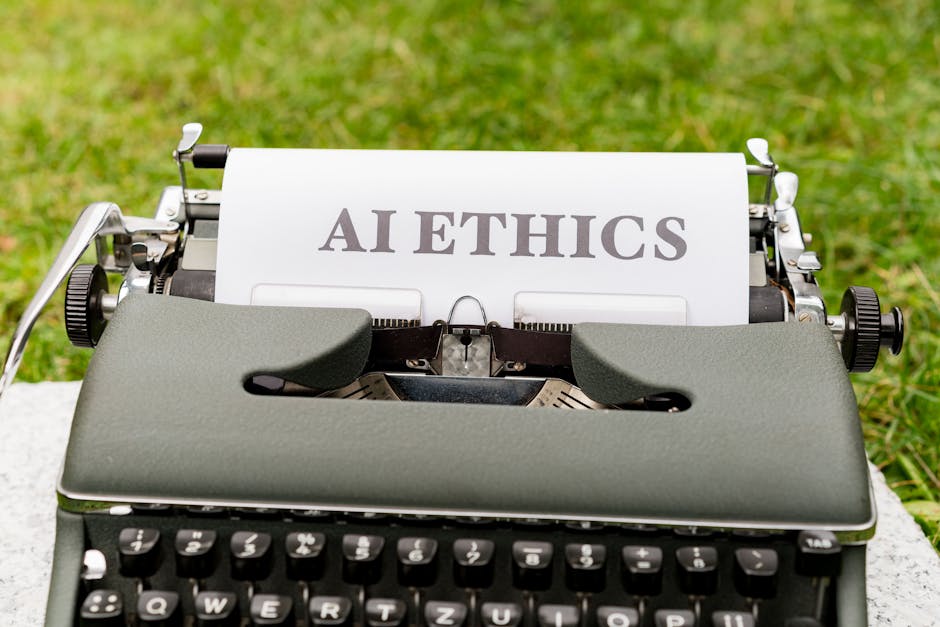
Journalism Reimagined: AI’s Impact and Ethical Considerations in 2026
The year is 2026. Journalism has undergone a seismic shift, largely driven by the pervasive influence of artificial intelligence. AI isn’t merely a futuristic concept; it’s a core component of news production, shaping everything from content creation to personalized news delivery. This transformation, however, has ignited a crucial debate: The Algorithmic Accountability Movement, forcing media outlets and consumers alike to confront pressing questions about truth, bias, and the very essence of journalistic integrity.
The Rise of Automated News: A Promise and a Peril
Initially hailed as a revolutionary force capable of enhancing efficiency and objectivity, AI-driven journalism promised unbiased reporting, untouched by human emotion or prejudice. News organizations eagerly adopted algorithms to sift through vast datasets, identify trending topics, and even generate initial article drafts. The appeal was undeniable: faster news cycles, more comprehensive coverage, and reduced operational costs. Smaller, resource-strapped newsrooms saw AI as a potential lifeline, automating routine tasks and freeing up human journalists to focus on in-depth investigations and nuanced analysis. However, the initial euphoria soon gave way to a more sober assessment.
Exposing Algorithmic Bias: The Cracks in the Facade
The myth of algorithmic neutrality began to unravel as studies revealed that AI systems, trained on historical data, often perpetuated existing societal biases. For instance, AI used in predictive policing disproportionately targeted minority communities, perpetuating cycles of inequality. Similarly, AI-powered hiring tools often discriminated against female candidates. In the realm of journalism, this meant…
Algorithmic Bias in Action: Examples from the Field
The biases embedded within AI systems manifested in various ways within journalism. One notable example was the use of AI-powered recommendation engines that steered users towards sensationalized or politically divisive content, amplifying polarization and eroding trust in mainstream media. Moreover, AI-generated news summaries often lacked crucial context and nuance, potentially misleading readers and hindering informed decision-making.
Illustrative Cases of Bias in AI-Driven News
- Automated Fact-Checking Fails: AI-powered fact-checking tools struggled to accurately assess claims related to marginalized communities, leading to the spread of misinformation and the silencing of important voices.
- Image Recognition Errors: AI algorithms used to identify subjects in news photos misidentified individuals from underrepresented groups, resulting in embarrassing and potentially damaging errors.
- Newsfeed Manipulation: AI-driven newsfeeds prioritized content from specific political factions, creating filter bubbles and reinforcing echo chambers.
The Human Firewall: Safeguarding Journalistic Values
As the limitations and inherent risks of AI journalism became increasingly evident, there was a resurgence in the appreciation for the critical role of human journalists. The ability to critically analyze information, provide context, and exercise ethical judgment remained paramount. News organizations invested in comprehensive training programs to equip journalists with the skills to effectively collaborate with AI systems while maintaining editorial control and upholding journalistic standards.
Strategies for Combating Algorithmic Bias
A range of strategies emerged to address the challenge of algorithmic bias in journalism:
- Bias Detection Tools: Implementing AI-powered tools to detect and flag potential biases in data sets and algorithms.
- Explainable AI (XAI): Promoting the development and use of AI systems that are transparent and explainable, allowing for greater scrutiny and accountability.
- Ethical AI Frameworks: Adopting ethical AI frameworks that prioritize fairness, transparency, and accountability in the design and deployment of AI systems.
- Cross-Disciplinary Collaboration: Fostering collaboration between journalists, data scientists, ethicists, and community stakeholders to ensure that AI systems are developed and used responsibly.
The Future of AI and Journalism: A Collaborative Partnership
By 2026, the conversation surrounding AI journalism had matured from initial excitement to cautious optimism and a focus on practical solutions. While AI remained a powerful tool for automating tasks and enhancing efficiency, it was widely recognized as requiring careful oversight and ethical governance. The most promising path forward involved a synergistic partnership between human journalists and AI systems, where technology augmented human capabilities rather than replacing them altogether. The key to success lay in harnessing AI’s potential while remaining vigilant about its limitations and biases, ensuring that journalism continued to serve the public interest with accuracy, fairness, and unwavering integrity.
If you want a practical next step, you can also check out Get the best book with practical guides on digital communication essentials.
If you want a practical next step, you can also check out Become an Ultimate Master of your life.






Leave A Comment