
Understanding Google’s Position on Ads in Gemini
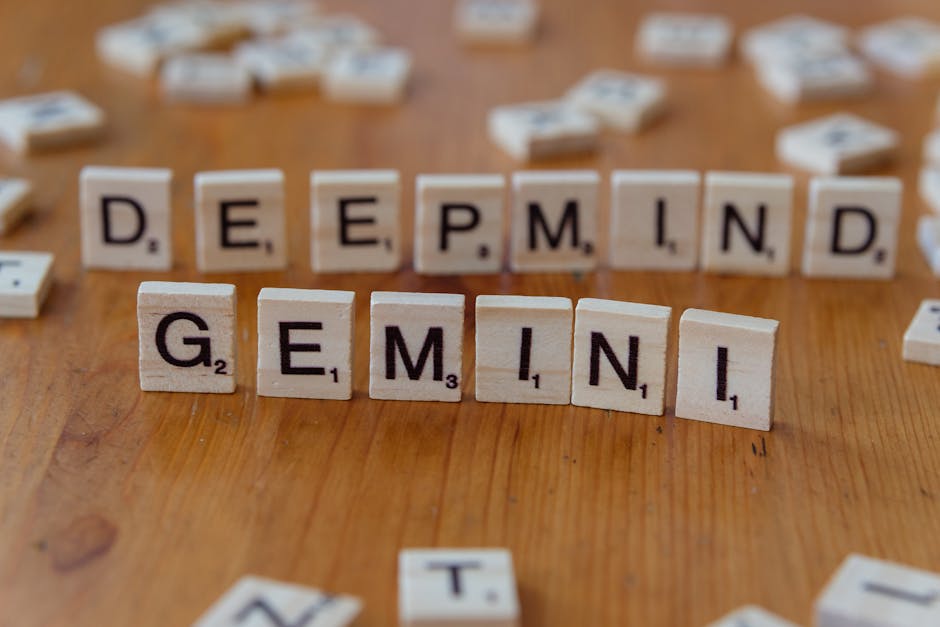
In a world where monetization strategies are evolving rapidly, Google has made headlines with its recent announcement regarding its AI model, Gemini. During discussions at the World Economic Forum in Davos, the tech giant asserted that it has no plans to incorporate advertisements into Gemini. This revelation comes amidst a backdrop of ongoing debates about the future of ads in AI applications, particularly in competitors like ChatGPT.
The Landscape of AI Monetization
The discussion surrounding AI monetization is not new, but it has gained momentum as companies explore various revenue models. The contrasting approaches taken by tech giants like Google and OpenAI prompt industry experts to analyze the sustainability of these business strategies.
Google’s Advertising Strategy
In the case of Google, removing ads from Gemini not only shapes user experience but also sets a precedent for how AI technologies might engage with consumers. This decision highlights Google’s commitment to providing a seamless user experience free from commercial interruptions.
OpenAI’s Approach
On the other hand, OpenAI’s approach to monetization includes integrating AI into enterprise solutions, which presents a different model than Google’s. The variations in strategies raise questions about the long-term viability of each approach.
Did You Know? The AI industry is projected to reach $1 trillion by 2025, driven by consumer demand for innovative solutions.
Contradictory Reports and Industry Reactions
While Google has taken a firm stand against ads in Gemini, contradictory reports have surfaced regarding its advertising strategies. Some speculate that Google may reconsider its stance as competition heats up, especially with Meta reportedly scaling back on custom silicon and pivoting towards purchasing large quantities of AMD chips.
Industry Adaptations
This shift indicates a broader trend in the industry, where companies are adapting their hardware strategies to better support AI workloads. As competition intensifies, the pressure on companies to monetize their AI technologies will likely increase.
OpenAI’s Strategic Moves
In parallel, OpenAI has made significant advancements in its own strategy, recently striking a deal with ServiceNow. This partnership aims to integrate agentic AI into enterprise workflows, highlighting OpenAI’s focus on practical applications of its technology.

Future Innovations
Furthermore, they have hinted at plans to reveal consumer devices targeted for late 2026, indicating a broader vision that aligns with market trends. This proactive approach may give OpenAI a competitive edge in the rapidly evolving AI landscape.
Implications for the Future of AI and Ads
Google’s decision to exclude ads from Gemini raises important questions about the future of AI monetization. Will other companies follow suit, or will the allure of ad revenue prove too tempting to resist? As we navigate through these developments, understanding the motivations behind these strategic decisions becomes increasingly crucial.
Market Dynamics
The ongoing dialogue about the role of ads in AI applications will shape how companies position themselves in the market and how users engage with these technologies.
Resources for Mastery in AI
As companies and individuals alike strive to understand the complexities of AI, resources like Become an Ultimate Master of your life can provide valuable insights into harnessing the potential of AI technologies.

Conclusion
The conversations at Davos regarding AI and advertising are indicative of a larger narrative unfolding in the tech industry. As Google maintains its no-ad policy for Gemini, it will be fascinating to witness how competitors respond and how this decision influences user engagement and market dynamics.
Stay Updated
For those interested in keeping up with the latest developments in AI, consider subscribing to the AI Daily Brief podcast, where you can gain insights into current events and trends shaping the future of technology.








Leave A Comment