
The Foundation of AI: Mathematics
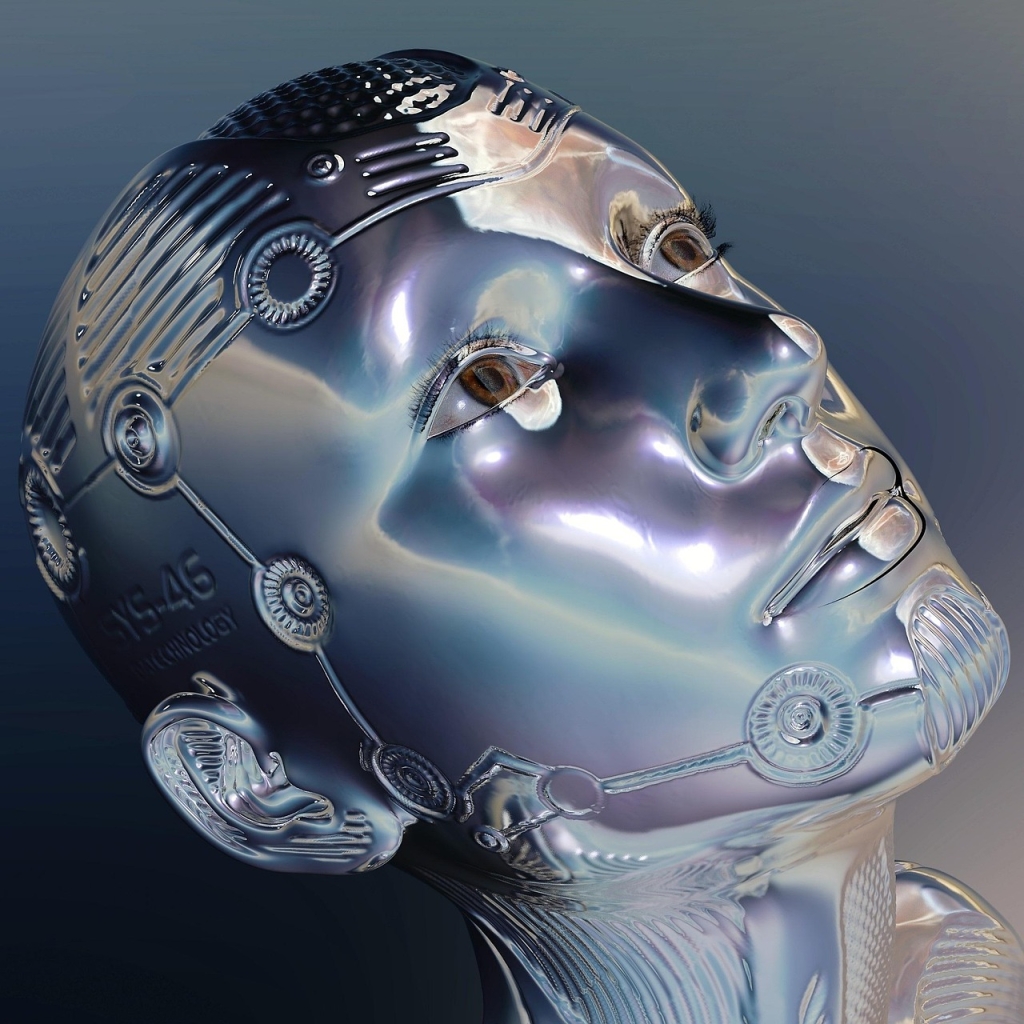
In the rapidly evolving world of technology, artificial intelligence (AI) stands as a beacon of innovation, poised to reshape our future. However, the backbone of AI isn’t merely advanced coding or vast datasets; it is mathematics. From algorithms to neural networks, mathematical principles are at the core of AI development, empowering machines to learn, adapt, and make decisions.
Why Mathematics Matters in AI
Mathematics serves as the language of AI, providing a structured framework to understand complex problems and devise solutions. Here are some essential branches of mathematics that play a pivotal role in AI:
- Linear Algebra: Fundamental for understanding data structures and transformations.
- Calculus: Essential for optimizing algorithms and understanding changes in models.
- Probability and Statistics: Critical for making predictions and inferring conclusions from data.
Each of these areas contributes to various AI applications, from machine learning to natural language processing, enabling computers to process and interpret vast amounts of information.
Did You Know?
Many AI systems rely on mathematical models to simulate human cognition, allowing machines to learn from data much like humans do.

Expanding Your Knowledge
To truly harness the potential of mathematics in AI, continual learning and exploration are vital. Resources that dive deeper into the mathematical foundations of AI can be invaluable. For those eager to master their understanding of life and learning, consider this insightful guide: Become an Ultimate Master of your life.
Applications of Mathematics in AI
The intersection of mathematics and AI manifests in various groundbreaking applications:
- Image Recognition: Utilizing linear algebra for processing pixel data in images.
- Natural Language Processing: Applying probability models to understand and generate human language.
- Predictive Analytics: Leveraging statistical methods to forecast trends and behaviors.
Real-World Examples
Several industries have successfully integrated mathematical principles into their AI systems:
- Healthcare: AI algorithms analyze medical images to assist in diagnostics.
- Finance: Predictive models assess risks and identify investment opportunities.
- Transportation: AI systems optimize routing and traffic management.
The Future of AI and Mathematics
As we look to the future, the synergy between mathematics and AI is set to deepen. Enhanced algorithms, driven by mathematical advancements, will usher in a new era of AI capabilities. The continuous exploration of mathematical concepts will not only elevate AI technology but also empower individuals to innovate within their fields.
Conclusion
In conclusion, the role of mathematics in AI is not just foundational; it is transformative. By embracing these mathematical principles, we can unlock new possibilities and redefine the boundaries of technology.









Leave A Comment