
Transforming the Landscape: AI’s Role in Modern Media
As the sun sets on the traditional media landscape, a new dawn breaks, illuminated by the advancements in artificial intelligence (AI). This technological revolution is not merely a trend but a profound transformation in how media is produced, consumed, and monetized. The integration of AI into the media industry is reshaping content creation, audience engagement, and the overall operational framework of media companies.
Consider how AI algorithms can now analyze vast datasets to predict audience preferences, enabling media companies to tailor their content precisely to the tastes of their viewers. This personalized approach enhances viewer satisfaction and loyalty, ultimately driving revenue.
Latest Innovations in AI Technology
The media industry is witnessing an influx of AI technologies that are changing the way content is created and distributed. Here are some of the most significant innovations:
- Natural Language Processing (NLP): NLP technologies are enabling media organizations to automate transcription and captioning, making content more accessible.
- Machine Learning (ML): ML algorithms analyze consumer behavior, allowing for more targeted advertising and personalized content recommendations.
- AI-Driven Content Creation: Tools like automated news generators and video editing software are streamlining the production process.
- Enhanced Audience Analytics: AI tools provide real-time insights into viewer engagement, helping media companies refine their strategies.
The 2024 Media Trends: A Closer Look
As we move into 2024, several key trends are shaping the media landscape:

- Increased Focus on Streaming: With a growing number of consumers favoring on-demand content, streaming platforms are investing heavily in AI to optimize user experience.
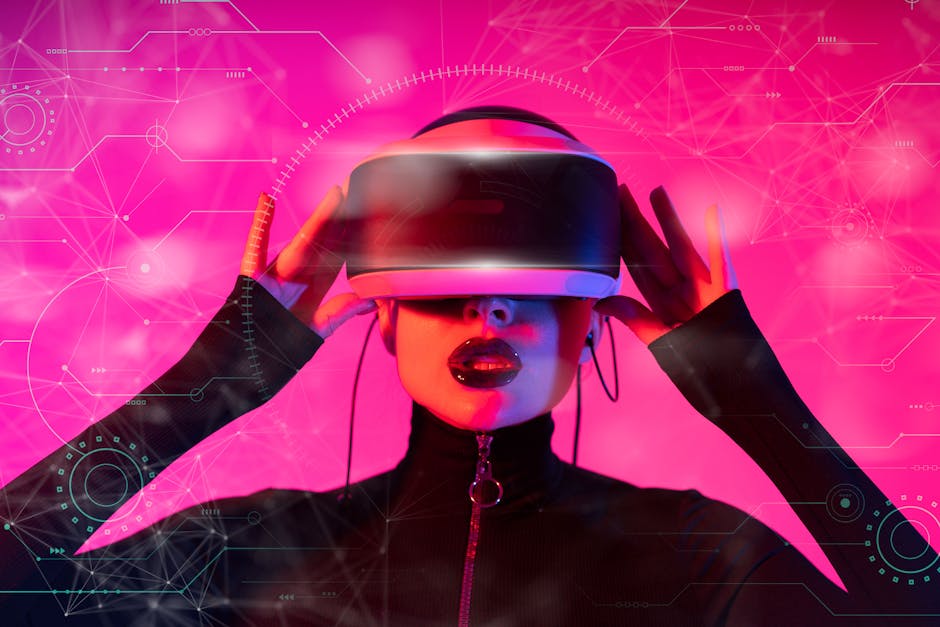
- Augmented Reality (AR) and Virtual Reality (VR): These technologies are being integrated into media offerings to create immersive experiences that captivate audiences.
- Ethical AI Usage: As concerns about digital authoritarianism grow, media companies are exploring ethical AI practices to protect user data and privacy.
Timelines of Key Developments
- 2020: Introduction of AI in media content creation.
- 2021: Widespread adoption of machine learning for audience analytics.
- 2022: Rise of NLP in automating transcription services.
- 2023: Increase in ethical discussions around AI usage in media.
- 2024: Expansion of AR and VR applications in media productions.
AI and the Consumer Experience
The consumer experience in media has undergone a radical shift due to AI integration. Personalized recommendations based on viewing habits create a tailored experience that keeps viewers engaged. According to a Deloitte study, consumers are gravitating towards platforms that utilize AI to enhance content discovery.
Challenges and Ethical Considerations
While AI presents vast opportunities, it also poses challenges. Concerns about data privacy and the potential for algorithmic bias are at the forefront. Media organizations must navigate these issues while maintaining viewer trust.
Addressing Digital Authoritarianism
As digital authoritarianism rises, the media industry faces pressure to adopt responsible AI practices. Freedom House highlights the importance of transparency and accountability in AI applications to ensure that they serve public interest rather than infringe on freedoms.
Future Outlook: The Media and Entertainment Landscape
Looking ahead, the media and entertainment industry will continue to evolve with AI at its core. The Deloitte 2025 Media & Entertainment Outlook indicates that AI will not only optimize existing processes but also create new content forms and monetization strategies.

Comparison of AI Technologies in Media
| Technology | Function | Impact |
|---|---|---|
| NLP | Automates content transcription | Increases accessibility |
| Machine Learning | Analyzes audience behavior | Enhances targeting |
| AR/VR | Creates immersive experiences | Engages audiences |
| AI-Driven Analytics | Provides real-time insights | Refines strategies |
Conclusion: Embracing the Future
The intersection of AI and the media industry is a dynamic and evolving landscape. As we embrace these technologies, the potential for innovation and growth is boundless. Media companies that adapt to these changes will not only survive but thrive, creating compelling content that resonates with audiences worldwide.
In this rapidly changing world, it is essential to remain informed and engaged with these advancements. The journey begins with understanding the transformative power of AI and harnessing it to create a better media experience for everyone.







Leave A Comment