
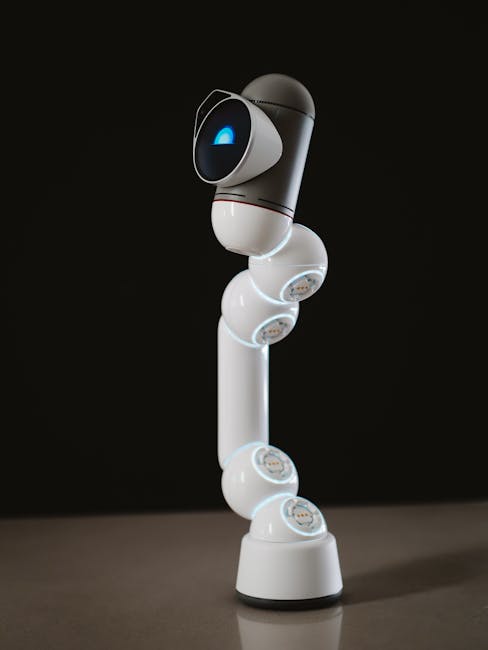
The Dawn of the Robot Age
The future, once a distant concept, is rapidly materializing before our eyes. A confluence of advancements in artificial intelligence, robotics, and automation is driving a transformation across industries and even warfare. From China’s development of autonomous combat systems to the mass production of humanoid robots, the robot revolution is no longer a question of “if,” but “when” and “how.”
China’s Autonomous Robot Army
Recent reports highlight China’s advancements in military robotics, showcasing an autonomous robot war pack. This includes dog bots, drones, laser weapons, and unmanned boats designed for urban combat scenarios. The “wolf pack” strategy utilizes canine robots that can think and act as a cohesive unit, demonstrating a significant leap in autonomous combat systems. This development raises concerns about the future of warfare and the ethical implications of deploying AI-powered killing machines.
The advancements aren’t limited to military applications. Europe is actively engaged in rigorous field tests of military robots through initiatives like ELROB 2026, pushing the boundaries of what these machines can achieve in real-world conditions. Meanwhile, the private sector is seeing massive investments in AI and robotics, hinting at a future where these technologies are deeply integrated into our daily lives. It’s a pivotal moment.
Humanoids Enter the Workforce
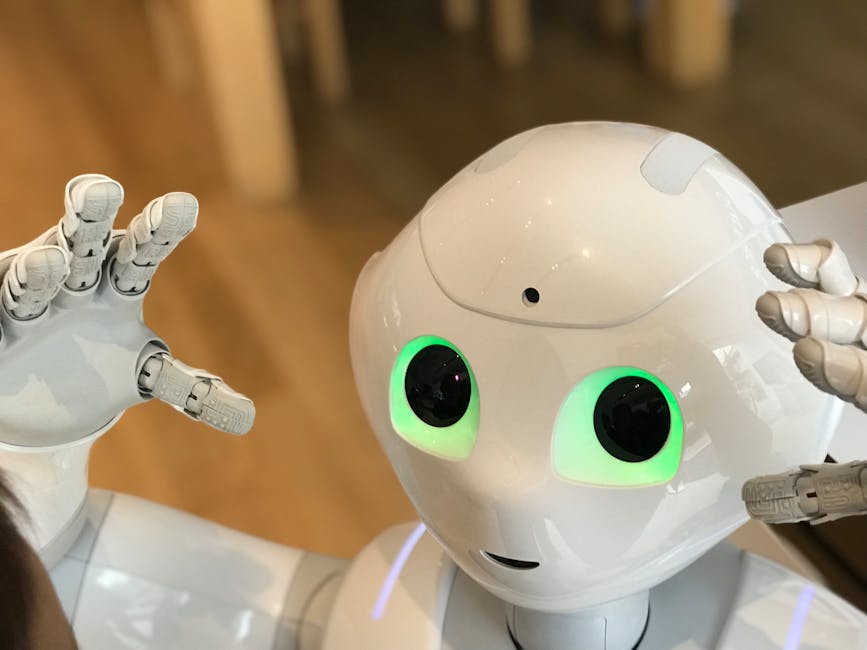
Beyond military applications, humanoid robots are poised to revolutionize industries like logistics and manufacturing. Amazon’s acquisition of Sprout, a startup specializing in kid-size humanoid robots, and BMW’s testing of the AEON humanoid in its Leipzig factory, signal a growing trend of integrating these robots into the workforce. These robots are being trained to perform repetitive tasks, improve efficiency, and address labor shortages.
The Race for AI Dominance
Tech giants are investing heavily in AI and robotics. Jeff Bezos is reportedly aiming to raise $100 billion to acquire and revamp manufacturing firms with AI, while Meta is pursuing the development of personal superintelligence tailored to individual users. Elon Musk is pushing for chip factory expansion in Texas, aiming to create a “Terafab” to support Tesla, SpaceX, and xAI. These investments highlight the intense competition to develop and control the future of AI.
Tesla’s Optimus and the Promise of Mass Production
Tesla is aggressively pursuing the development and mass production of its Optimus humanoid robot. With plans for a Shanghai-scale production facility, Tesla aims to deploy Optimus robots in its factories and potentially offer them for various commercial applications. The company has also announced a joint “Digital Optimus” project with xAI, indicating a focus on enhancing the robot’s AI capabilities.
Unitree: Pushing the Boundaries of Robot Mobility
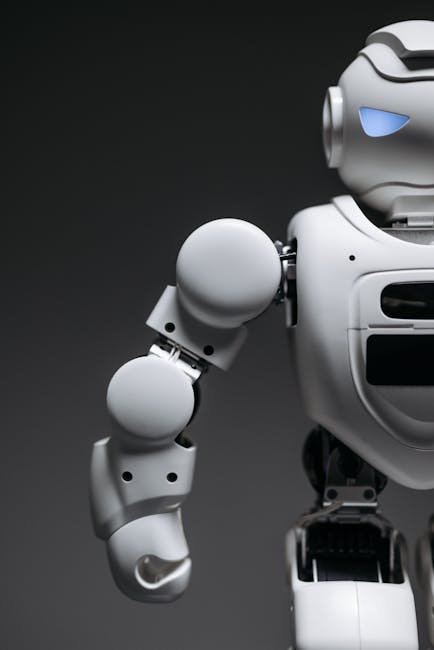
Unitree Robotics is making significant strides in robot mobility and agility. Their H1 humanoid robot has achieved a running speed of 10 meters per second, rivaling human athletes. Furthermore, Unitree’s G1 robot has been filmed chasing boars in Poland, showcasing its ability to navigate complex and dynamic environments. With a potential IPO valuation of $7 billion, Unitree is poised to become a major player in the robotics industry.
Beyond Humanoids: Diverse Robotics Applications
The robotics revolution extends beyond humanoids. Lucid Bots is developing robotics solutions for exterior cleaning, while the AI Institute is creating robots like Roadrunner for diverse applications. These examples demonstrate the breadth and depth of innovation in the robotics field, with robots being developed for a wide range of tasks and industries.
Ethical and Societal Implications
The rapid advancement of robotics and AI raises important ethical and societal questions. Job displacement due to automation, the potential for algorithmic bias in AI systems, and the safety and security of autonomous systems are all critical considerations. Governments, researchers, and the public must engage in thoughtful discussions to ensure that these technologies are developed and deployed responsibly.
Addressing Job Displacement
As robots and AI increasingly automate tasks previously performed by humans, there is a growing concern about job displacement. Strategies for mitigating this impact include investing in education and training programs to help workers acquire new skills, exploring alternative economic models such as universal basic income, and fostering a culture of lifelong learning.
Combating Algorithmic Bias
AI systems are trained on data, and if that data reflects existing biases, the AI system will perpetuate and even amplify those biases. It is crucial to develop techniques for identifying and mitigating bias in AI datasets and algorithms. This includes ensuring diversity in the teams developing AI systems and regularly auditing AI systems for bias.
The Future is Now
The convergence of AI, robotics, and automation is creating a future where robots play an increasingly prominent role in our lives. From autonomous combat systems to humanoid assistants, the robot revolution is accelerating, transforming industries, and raising fundamental questions about the future of work, warfare, and society. As these technologies continue to evolve, it is crucial to understand their implications and prepare for the challenges and opportunities that lie ahead.
If you want a practical next step, you can also check out Become an Ultimate Master of your life.







Leave A Comment